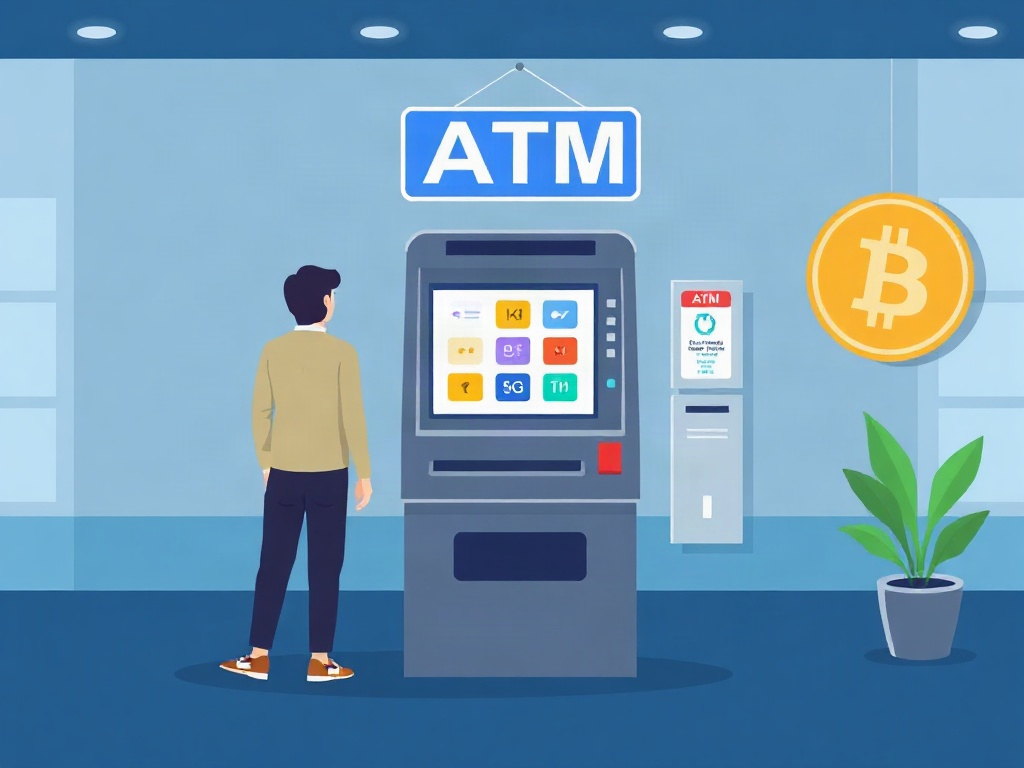
The rapid expansion of cryptocurrency accessibility through automated teller machines has transformed how individuals interact with digital assets. However, this convenience brings significant regulatory responsibility. Operators of crypto ATMs must establish robust frameworks to detect, prevent, and report suspicious activity, ensuring their operations align with anti-money laundering (AML) statutes. An effective AML check crypto ATM operator compliance strategy not only mitigates legal risk but also builds trust with financial institutions, regulators, and the broader public. This article provides a detailed exploration of the essential elements required for compliance, offering practical guidance for operators seeking to navigate the complex intersection of technology and finance.
Understanding the AML Landscape for Crypto ATM Operators
Global Regulatory Frameworks
Across the globe, regulators have intensified scrutiny of cryptocurrency on-ramps and off-ramps. In the United States, the Financial Crimes Enforcement Network (FinCEN) mandates that crypto ATM operators register as money services businesses (MSBs), implement AML programs, and file Suspicious Activity Reports (SARs) when warranted. Similarly, the European Union’s Fifth Anti-Money Laundering Directive (5AMLD) and Sixth Directive (6AMLD) extend AML obligations to virtual asset service providers (VASPs), including those operating physical kiosks. Understanding these overlapping requirements is the first step toward building a compliant operation. Operators must stay abreast of jurisdictional updates, as non-compliance can result in severe penalties, including license revocation and criminal charges.
Local Jurisdiction Compliance
Beyond international standards, local laws often impose additional obligations. State-level regulations in the U.S., such as money transmitter licenses (MTLs), require rigorous background checks, financial audits, and ongoing reporting. Some municipalities have enacted their own licensing requirements or operational restrictions for crypto ATM locations. Operators must conduct thorough due diligence for each installation site, ensuring that local permits, zoning laws, and AML mandates are fully satisfied. This layered approach to regulation underscores the need for a comprehensive compliance matrix that addresses every applicable authority.
Core Components of an AML Check Crypto ATM Operator Compliance Program
Know Your Customer (KYC) Protocols
Implementing a robust KYC framework is foundational to any AML check crypto ATM operator compliance strategy. Operators must verify the identity of users conducting transactions above specified thresholds, typically $1,000 or $3,000, depending on the jurisdiction. This process involves collecting government-issued identification, performing facial recognition checks, and screening against verified databases. Advanced solutions leverage optical character recognition (OCR) and liveness detection to prevent identity fraud while maintaining a seamless user experience. For lower-value transactions, operators may opt for simplified monitoring, but must still maintain records and be prepared to escalate if red flags emerge.
Transaction Monitoring and Thresholds
Continuous transaction monitoring is essential for detecting patterns indicative of money laundering or terrorist financing. Crypto ATM operators should establish automated triggers for unusual activity, such as multiple daily transactions just below reporting limits, rapid succession of buys and sells, or transfers to high-risk jurisdictions. Risk-based scoring systems enable operators to prioritize investigations, focusing resources on the most suspicious operations. Integrating real-time monitoring tools with transaction logs ensures that no suspicious activity goes unnoticed, while also providing the audit trail necessary for regulatory reporting.
Leveraging Technology for Effective AML Screening
Automated Screening Systems
Modern compliance relies heavily on technology to scale operations without proportionally increasing overhead. Automated screening systems can process identification documents, validate authenticity, and cross-reference user data against watchlists in seconds. These systems reduce human error, accelerate onboarding, and provide consistent application of AML rules. Operators should select platforms that offer customizable risk parameters, allowing them to tailor screening intensity based on the user’s profile, transaction history, and geographic location. Regular updates to screening algorithms are crucial to keep pace with evolving typologies and regulatory expectations.
Integration with Global Watchlists and Databases
Effective AML check crypto ATM operator compliance requires seamless integration with global watchlists, politically exposed persons (PEP) databases, and sanctions lists. Services such as the Financial Action Task Force (FATF) guidelines, INTERPOL databases, and commercial compliance platforms provide real-time access to up-to-date risk information. Operators must ensure that their systems query these sources for every new user and periodically re-screen existing customers. Failure to screen against current watchlists can result in facilitating transactions for prohibited entities, exposing the operator to significant legal and reputational damage.
Operational Best Practices for Sustained Compliance
Staff Training and Organizational Culture
Technology alone cannot ensure compliance; human vigilance remains a critical component. Operators should implement comprehensive training programs that educate staff on AML red flags, reporting procedures, and the specific requirements of their jurisdiction. Training should be ongoing, with regular refreshers to address new threats and regulatory changes. Cultivating a culture of compliance within the organization encourages employees to proactively identify and report suspicious activity, reinforcing the effectiveness of technical controls. Clear documentation of training records also serves as evidence of due diligence during regulatory examinations.
Record-Keeping, Audits, and Continuous Improvement
Maintaining meticulous records is a cornerstone of AML check crypto ATM operator compliance. Operators must retain transaction logs, KYC documentation, SAR filings, and monitoring alerts for the periods specified by law, often five years or more. Regular internal audits assess the effectiveness of compliance programs, identifying gaps and areas for improvement. External audits by qualified firms provide an objective assessment and can uncover systemic issues that internal reviews might miss. Establishing a feedback loop between audit findings, policy updates, and operational changes ensures that the compliance framework evolves alongside the threat landscape and regulatory environment.
In addition to internal reviews, operators should maintain open lines of communication with regulatory bodies. Voluntary disclosure of compliance improvements, participation in industry working groups, and prompt response to regulatory inquiries demonstrate good faith and can mitigate penalties in the event of inadvertent violations. By embedding continuous improvement into the organizational DNA, crypto ATM operators can sustain compliance while adapting to the dynamic nature of digital finance.
Future Trends and Emerging Challenges
The regulatory landscape for crypto ATMs continues to evolve as governments and international bodies refine their approaches to virtual assets. Emerging trends include the implementation of Travel Rule requirements, which mandate that VASPs share customer information for transactions above certain thresholds. Additionally, the rise of decentralized finance (DeFi) and peer-to-peer trading presents new challenges for traditional AML frameworks, as these models often bypass physical kiosks. Operators must remain agile, investing in flexible compliance solutions that can accommodate new transaction types and regulatory demands. Collaboration with industry peers, technology providers, and regulators will be key to shaping practical, effective standards that protect the financial system without stifling innovation.
Another significant trend is the increasing use of artificial intelligence and machine learning to enhance detection capabilities. These technologies can analyze vast amounts of transaction data to identify subtle patterns of illicit activity that rule-based systems might miss. However, operators must balance the benefits of AI with transparency obligations, ensuring that automated decisions are explainable and free from bias. As AI tools become more sophisticated, they will play an integral role in scaling AML check crypto ATM operator compliance across growing networks of machines and diverse user bases.
Environmental and geopolitical factors also influence compliance requirements. Regions experiencing heightened sanctions risk or currency instability may see increased scrutiny of crypto ATM activity. Operators with international footprints must conduct heightened due diligence for users and transactions linked to such areas. Staying informed about global events and their potential impact on money laundering typologies is essential for maintaining a proactive compliance posture.
Conclusion
Ensuring AML check crypto ATM operator compliance is not a one-time checkbox exercise but an ongoing commitment to regulatory excellence and financial integrity. By understanding the global and local regulatory frameworks, implementing robust KYC and transaction monitoring protocols, leveraging advanced technology, and fostering a culture of compliance through training and continuous improvement, operators can navigate the complexities of anti-money laundering requirements with confidence. The stakes are high, but with a strategic, well-executed compliance program, crypto ATM operators can protect their businesses, serve their communities, and contribute to the legitimate growth of the cryptocurrency ecosystem.
For operators ready to elevate their compliance posture, the path forward involves investing in the right tools, educating their teams, and staying vigilant in the face of ever-changing regulations. The future of crypto ATMs depends not just on technological innovation, but on the trust and legitimacy that rigorous compliance brings to the industry.

AML check crypto ATM operator compliance: A DeFi Analyst's Perspective
As Robert Hayes, a technology researcher specializing in decentralized finance and Web3 infrastructure, I have spent years analyzing yield farming mechanisms and governance token dynamics. The sudden rise of physical crypto ATMs has pushed me to examine how traditional financial compliance frameworks intersect with decentralized ecosystems. For me, the requirement for robust AML check crypto ATM operator compliance is not merely a regulatory afterthought but a foundational element for any operator seeking legitimacy in the broader crypto economy.
Practically, the compliance burden on crypto ATM operators rests on three critical pillars: real-time transaction monitoring, verified identity protocols, and seamless reporting mechanisms to financial intelligence units. Unlike on-chain DeFi transactions, which are pseudonymous by design, ATM users often expect cash-to-digital convenience, creating a friction point where anonymity must be deliberately curtailed. Operators must integrate KYC/AML tools that verify user identities without completely undermining the user experience, a balance that many newer operators struggle to achieve. Additionally, the cross-jurisdictional and volatile nature of crypto transactions demands that compliance frameworks be both adaptive and auditable, ensuring every dispensed token can be traced back to its origin.
Looking forward, I believe the most successful crypto ATM operators will treat AML check crypto ATM operator compliance as an evolving component of their overall risk management strategy rather than a static checkbox. By leveraging data analytics and cross-industry collaboration, operators can move beyond mere regulatory avoidance toward genuine financial integrity. This shift signals a maturation of the crypto sector: the lines between on-chain innovation and off-chain responsibility are blurring, and those who adapt earliest will shape the next phase of Web3 adoption.