The rapid expansion of digital asset markets has fundamentally redefined the boundaries of financial oversight. As decentralized exchanges, liquidity pools, and tokenized assets proliferate, the necessity for a robust AML check governance framework crypto structure becomes increasingly critical. Traditional compliance models, designed for centralized banking institutions, often struggle to accommodate the pseudonymous and borderless nature of blockchain networks. Consequently, industry participants and regulators alike are compelled to innovate, adapting existing anti-money laundering protocols to the unique characteristics of the crypto ecosystem. This article explores the multifaceted dimensions of crafting an effective governance architecture, offering insights into strategic implementation, technological integration, and future-proofing compliance operations.
At the heart of any successful AML check governance framework crypto initiative lies a deep understanding of risk dynamics specific to distributed ledger technology. Unlike fiat-based transactions, crypto transfers can occur across jurisdictional lines in seconds, often without intermediaries. This velocity and opacity create fertile ground for illicit activity if safeguards are absent or poorly calibrated. A comprehensive framework must therefore begin with a granular risk assessment that categorizes assets, evaluates platform types, and maps user behavior patterns. By identifying high-risk touchpoints—such as mixers, tumblers, and cross-chain bridges—compliance teams can allocate resources more efficiently and design targeted monitoring rules that align with both local regulations and international standards.
The Evolution of AML Compliance in Crypto Ecosystems
Historical Context and Regulatory Milestones
The journey toward a standardized AML check governance framework crypto regime has been marked by significant regulatory milestones. In the early days of bitcoin, compliance was largely reactive, with few explicit guidelines governing digital asset custodians. However, high-profile incidents and the growing market capitalization of cryptocurrencies prompted global bodies such as the Financial Action Task Force (FATF) to issue definitive guidance. The "Travel Rule," requiring virtual asset service providers (VASPs) to share sender and recipient information, exemplifies how regulators are bridging the gap between traditional finance and emerging technologies. These developments have forced market participants to adopt more transparent operational practices, laying the groundwork for structured governance models.
Key Challenges in Decentralized Environments
Decentralized finance (DeFi) platforms present a distinct set of compliance hurdles that differ markedly from centralized exchange models. Without a single point of control, enforcing an AML check governance framework crypto policy requires collaborative approaches involving smart contract audits, on-chain analytics, and community-driven governance. Additionally, the open-source nature of many protocols means that code can be forked or modified, potentially circumventing previously established safeguards. Compliance professionals must therefore remain vigilant, continuously monitoring protocol upgrades and governance changes to ensure that risk mitigation strategies remain effective against evolving threat landscapes.
Core Pillars of an Effective AML check governance framework crypto
Risk Assessment and Customer Due Diligence
Implementing a resilient AML check governance framework crypto begins with rigorous risk assessment methodologies. Organizations must classify customers based on transaction volume, geographic origin, and interaction patterns with high-risk entities. Enhanced due diligence (EDD) procedures should be triggered for jurisdictions identified as strategic AML concerns or for clients engaging in complex structuring techniques. Moreover, integrating real-time sanctions screening into onboarding workflows ensures that prohibited parties are intercepted before assets enter the platform. This proactive stance not only reduces regulatory exposure but also fosters trust among legitimate users and institutional partners.
Transaction Monitoring and Anomaly Detection
Effective transaction monitoring forms the operational core of any AML check governance framework crypto strategy. Advanced analytics platforms leverage machine learning algorithms to detect deviations from established baseline behaviors, such as sudden spikes in volume, rapid succession of micro-transactions, or interactions with known illicit wallets. Rule-based systems, while useful, often generate high false-positive rates; therefore, a hybrid approach combining deterministic rules with probabilistic modeling yields superior outcomes. By prioritizing alert quality over quantity, compliance teams can focus investigative resources on genuine threats, improving overall efficiency and reducing operational costs.
Reporting Obligations and Regulatory Liaison
Navigating the reporting landscape is a critical component of the AML check governance framework crypto. Jurisdictions vary significantly in their requirements for suspicious activity reports (SARs), threshold disclosures, and record-keeping durations. Establishing a dedicated regulatory liaison function ensures that submissions are timely, accurate, and aligned with evolving expectations. Furthermore, maintaining an immutable audit trail of all compliance-related actions—from initial customer onboarding to final transaction closure—provides a defensible record during regulatory examinations. This documentation culture not only satisfies legal mandates but also enhances internal accountability and continuous improvement cycles.
Leveraging Technology Within the AML check governance framework crypto
Artificial Intelligence and Machine Learning Integration
The integration of artificial intelligence (AI) and machine learning (ML) represents a transformative leap for the AML check governance framework crypto. These technologies enable predictive analytics that can identify nascent threat patterns before they manifest into full-scale violations. For instance, neural networks can analyze vast datasets of on-chain activity to uncover subtle correlations between seemingly unrelated wallets, exposing sophisticated money laundering networks. Additionally, AI-driven natural language processing (NLP) can scan forum discussions, social media posts, and dark web marketplaces to anticipate emerging risks, allowing compliance teams to adjust preemptively rather than reactively.
Blockchain Analytics and Real-Time Surveillance
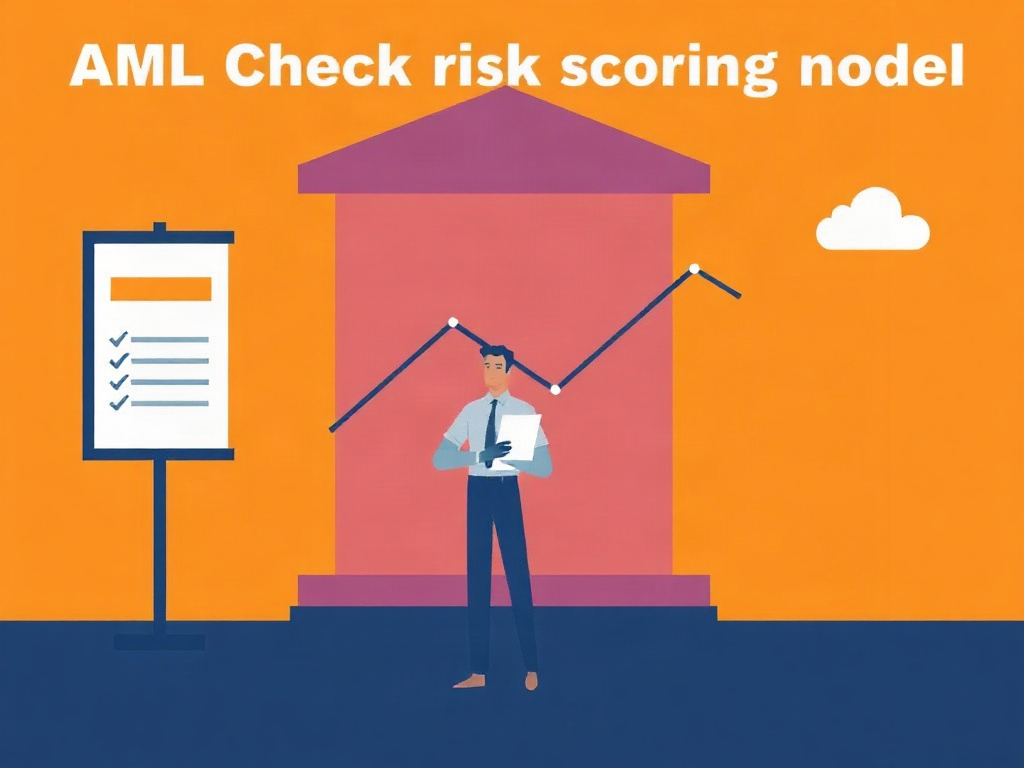
Real-time surveillance tools have become indispensable assets in the modern AML check governance framework crypto. By tapping into comprehensive blockchain data providers, organizations can visualize fund flows across multiple chains, track the movement of flagged tokens, and assess the risk score of counterparties instantaneously. Such capabilities support dynamic risk scoring, where the compliance status of a wallet is updated in real time as new transaction data becomes available. This immediacy is crucial in fast-moving markets, where delays of even minutes can determine whether a suspicious activity report is filed in time or an illicit transfer escapes detection.
Governance, Training, and Continuous Improvement
Role-Based Responsibility Mapping
A successful AML check governance framework crypto relies on clearly defined roles and responsibilities across the organization. From the chief compliance officer (CCO) down to front-line analysts, each team member must understand their specific obligations regarding customer due diligence, alert triage, and reporting. Implementing a responsibility assignment matrix (RACI) ensures that no critical tasks fall through the cracks, particularly during high-volume periods or system upgrades. Regular cross-functional meetings between compliance, legal, IT, and risk management teams further reinforce a culture of shared accountability and holistic risk oversight.
Audit Cycles and Metric Optimization
Continuous improvement is the lifeblood of any enduring AML check governance framework crypto. Scheduled internal audits, complemented by external third-party reviews, validate the effectiveness of existing controls and identify gaps before they become liabilities. Key performance indicators (KPIs) such as false-positive rates, average resolution time, and number of filed SARs provide quantifiable metrics for assessing program health. Moreover, fostering a feedback loop where lessons learned from past incidents are systematically incorporated into training materials and system configurations ensures that the framework evolves in tandem with emerging threats and regulatory changes.
Future Outlook
 Robert Hayes
DeFi & Web3 Analyst
AML check governance framework crypto: Compliance and Decentralization in Web3
As Robert Hayes, DeFi & Web3 Analyst, I have watched the AML check governance framework crypto evolve from a niche regulatory concern into a foundational element for sustainable protocol design. The intersection of on-chain transparency and off-chain compliance mandates creates a unique set of challenges for decentralized projects, yet it also presents an opportunity to build more resilient infrastructure. Without a robust framework, the risk of regulatory enforcement looms large, potentially destabilizing token economies and eroding the trust of both retail and institutional participants.
From a practical standpoint, the AML check governance framework crypto requires a hybrid model where automated monitoring tools interface with community-driven governance mechanisms. In my analysis, the most effective implementations allow token holders to vote on risk thresholds while algorithmic systems execute real-time transaction screening. This structure preserves the decentralized ethos by distributing compliance authority, yet it ensures that critical risk parameters are not left to opaque off-chain entities.
Looking forward, the longevity of DeFi innovation will depend on how seamlessly the AML check governance framework crypto can scale alongside technological advancement. For stakeholders, the key will be observing the granularity of data transparency and the agility of governance updates in response to shifting regulatory landscapes. When executed well, this framework does not hinder innovation—it fortifies the entire ecosystem against the systemic risks that have historically plagued the industry.