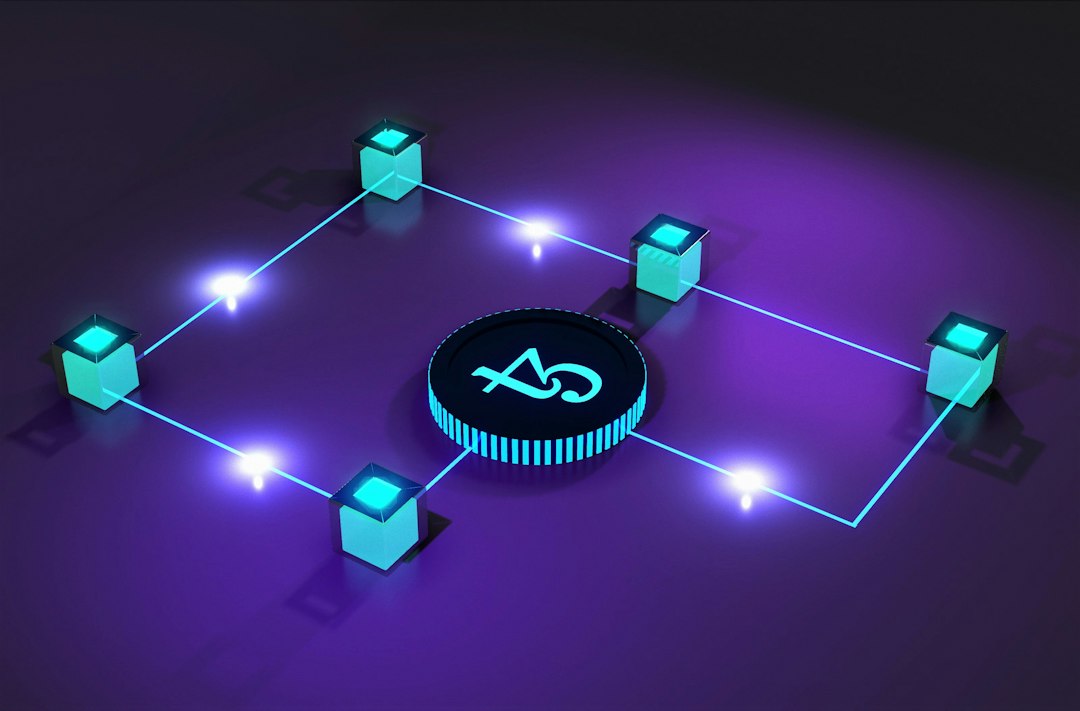
The rapid evolution of blockchain infrastructure has introduced sophisticated layer-two solutions designed to enhance scalability, reduce fees, and improve user experience. Among these, the Lightning Network stands out as a prominent protocol enabling instant, low-cost Bitcoin transactions through off-chain payment channels. However, the very features that make Lightning Network attractive—such as multipath routing, atomic swaps, and channel privacy—also present unique challenges for compliance frameworks. Traditional anti-money laundering (AML) mechanisms, built primarily for on-chain analysis, must adapt to the nuances of off-chain routing. This article explores the intersection of regulatory obligations and privacy-preserving technology, focusing on how organizations can implement an effective AML check Lightning Network privacy routing strategy without undermining the core benefits of decentralized payments.
As governments and financial regulators worldwide tighten scrutiny over cryptocurrency activities, the demand for transparent yet privacy-aware monitoring systems has intensified. The Lightning Network's decentralized nature means that no single entity controls the entire routing path, making holistic transaction visibility a complex but necessary endeavor. By leveraging advanced analytics, behavioral modeling, and cross-industry collaboration, stakeholders can develop frameworks that detect suspicious activity while respecting the privacy expectations of legitimate users.
Understanding AML Requirements in Decentralized Payment Networks
Global Regulatory Frameworks
Regulatory bodies across jurisdictions have established stringent requirements for entities facilitating cryptocurrency transactions. Know Your Customer (KYC) norms, transaction monitoring thresholds, and suspicious activity reporting (SAR) obligations form the backbone of these frameworks. While much of the focus has been on centralized exchanges and custodial services, the rise of decentralized finance (DeFi) and layer-two protocols has prompted regulators to extend their reach. The Financial Action Task Force (FATF) guidelines, for instance, emphasize the "travel rule," requiring virtual asset service providers (VASPs) to share customer information for transactions above specified limits. Applying these principles to non-custodial, peer-to-peer networks like Lightning Network necessitates a reimagining of compliance architecture.
Transaction Monitoring Challenges in Layer-2
Unlike on-chain transactions, which are recorded on a public ledger with immutable timestamps and addresses, Lightning Network payments occur off-chain within a web of bidirectional payment channels. Each route consists of multiple hops, with only the opening and closing transactions settling on the Bitcoin blockchain. This architecture obscures the origin, destination, and amount of intermediate payments, creating blind spots for traditional monitoring tools. Moreover, the use of onion routing—where each node only knows its immediate predecessor and successor—further fragments data, making it difficult to correlate a single user's activity across the network without compromising the privacy of unrelated participants.
How Privacy Routing Works in the Lightning Network
Pathfinding Algorithms
Lightning Network routing relies on sophisticated pathfinding algorithms to locate viable channels between a sender and recipient. These algorithms consider factors such as channel capacity, fee rates, and liquidity availability to determine the most efficient route. The goal is to balance cost-effectiveness with the likelihood of successful delivery. However, the probabilistic nature of path selection means that identical transactions may traverse entirely different routes over time, adding another layer of complexity for any attempt at comprehensive transaction tracking.
Multi-Hop Transactions and Obfuscation
In a typical Lightning payment, funds pass through several intermediate nodes before reaching the final destination. Each hop settles a small portion of the total amount, with the original sender and receiver only seeing the first and last hops respectively. This multi-hop structure inherently obfuscates the complete transaction graph. Additionally, the protocol supports multipath payments, where a single amount is split across multiple routes simultaneously, further dispersing the trail of data. While these features enhance resilience and privacy for legitimate users, they also provide cover for actors seeking to move value discreetly.
Onion Routing and Channel Privacy
The Lightning Network employs onion routing, a technique where each layer of encryption reveals only the next node in the path. This ensures that no single node possesses the full picture of a payment's route. Channel balances are also private by default, visible only to the channel's counterparties. While this design protects user metadata and prevents front-running or sandwich attacks, it simultaneously creates a landscape where illicit activity can be concealed within the noise of high-volume legitimate traffic. Understanding these mechanics is essential for designing AML check Lightning Network privacy routing protocols that can identify anomalies without resorting to invasive surveillance.
Integrating AML Checks with Privacy-Preserving Technologies
On-Chain vs Off-Chain Monitoring
Effective AML oversight of Lightning Network activity begins with a clear distinction between on-chain and off-chain data. On-chain events—such as channel openings, closures, and settlement transactions—are publicly verifiable and serve as anchor points for compliance analysis. Off-chain routing data, by contrast, remains encrypted and distributed across the network. A hybrid approach that monitors on-chain anchors while employing statistical inference for off-chain patterns can provide a balanced view. For instance, sudden spikes in channel activity, unusual fee structures, or frequent rebalancing operations may warrant further investigation, even if the exact routing path remains opaque.
Zero-Knowledge Proofs and AML Compliance
Emerging cryptographic technologies, particularly zero-knowledge proofs (ZKPs), hold promise for reconciling AML requirements with privacy objectives. ZKPs allow one party to prove the validity of a statement—such as "this transaction exceeds the reporting threshold"—without revealing underlying details like source, destination, or amount. When integrated into Lightning Network infrastructure, ZKPs could enable compliant nodes to flag suspicious behavior without exposing the privacy of innocent participants. Pilot projects and research initiatives are currently exploring how such mechanisms can be standardized across layer-two protocols, potentially setting a new benchmark for privacy-preserving compliance.
Behavioral Analytics and Anomaly Detection
Beyond pure cryptographic solutions, behavioral analytics offer a pragmatic avenue for AML check Lightning Network privacy routing. By analyzing patterns such as routing frequency, channel size distribution, and fee optimization trends, machine learning models can identify deviations from normal user behavior. Anomalies such as rapid successive payments through the same channel, consistent routing through high-risk jurisdictions, or patterns consistent with structuring (breaking large amounts into smaller evasive transfers) can trigger alerts for compliance teams. These models are most effective when trained on large, diverse datasets and continuously updated to reflect evolving network dynamics.
Best Practices for Implementing AML check Lightning Network privacy routing
- Adopt a Risk-Based Approach Not all Lightning Network transactions pose the same level of risk. Prioritize monitoring efforts on high-value routes, channels with known counterparties in sanctioned jurisdictions, and patterns consistent with money laundering typologies. A risk-based framework allows compliance teams to allocate resources efficiently while maintaining overall network integrity.
- Collaborate Across the Ecosystem Given the decentralized nature of Lightning Network, no single entity can achieve comprehensive visibility alone. Industry consortia, privacy-focused research groups, and regulatory bodies should establish secure channels for sharing aggregated threat intelligence, common indicators of compromise (IOCs), and best practices. Such collaboration fosters a collective defense posture without compromising the privacy of individual users.
- Leverage On-Chain Anchors for Off-Chain Insights Use settlement transactions, channel funding, and closure events as reference points for broader compliance analysis. By tracking the movement of funds on the Bitcoin blockchain, investigators can map the flow of value into and out of the Lightning Network, providing context for off-chain routing anomalies.
- Implement Privacy-Aware Alerting Design alerting mechanisms that minimize false positives and avoid unnecessary exposure of user data. Alerts should focus on behavioral red flags rather than attempting to de-anonymize routing paths. When a flag is raised, provide compliance officers with sufficient context—such as transaction timing, amount, and associated on-chain events—to make informed decisions.
- Stay Abreast of Technological and Regulatory Developments The Lightning Network and regulatory landscape are both rapidly evolving. Regularly review and update AML policies to incorporate new protocol features, emerging cryptographic tools, and changes in jurisdictional requirements. Engaging with legal counsel specializing in cryptocurrency regulation can ensure that compliance strategies remain both effective and legally sound.
In conclusion, the convergence of AML compliance and Lightning Network privacy routing represents a frontier where technology, regulation, and user privacy intersect. While the inherent design of the Lightning Network challenges traditional

AML check Lightning Network privacy routing: Strategic Considerations for Crypto Investors
As Emily Parker, a certified financial analyst with more than a decade of experience guiding retail and institutional investors through the digital asset landscape, I closely monitor how regulatory frameworks intersect with emerging Layer-2 technologies. The rise of the Lightning Network has introduced powerful privacy routing capabilities, yet these same features pose meaningful compliance questions for fiduciaries tasked with conducting AML check Lightning Network privacy routing assessments.
From a practical investment perspective, the tension between privacy and transparency is not a binary choice but a manageable design parameter. While multi-hop routing and onion routing techniques effectively shield sender and receiver metadata from on-chain analysis, they also complicate the traceability requirements that AML protocols typically demand. Savvy investors and their advisors are now evaluating platforms that layer compliance tools beneath the Lightning Network's privacy features, ensuring that every hop remains auditable without degrading the user experience that makes Lightning attractive.
In my view, the most forward-looking crypto portfolios will be those that institutionalize this balance from the outset, integrating AML check Lightning Network privacy routing as a standard due diligence metric rather than a reactive afterthought. By demanding transparency reports, partnering with compliant custodians, and supporting open-source tools that reconcile privacy with accountability, investors can protect capital while preserving the innovative edge that defines decentralized finance. The key is to treat compliance not as a constraint, but as a strategic differentiator in an increasingly regulated market.