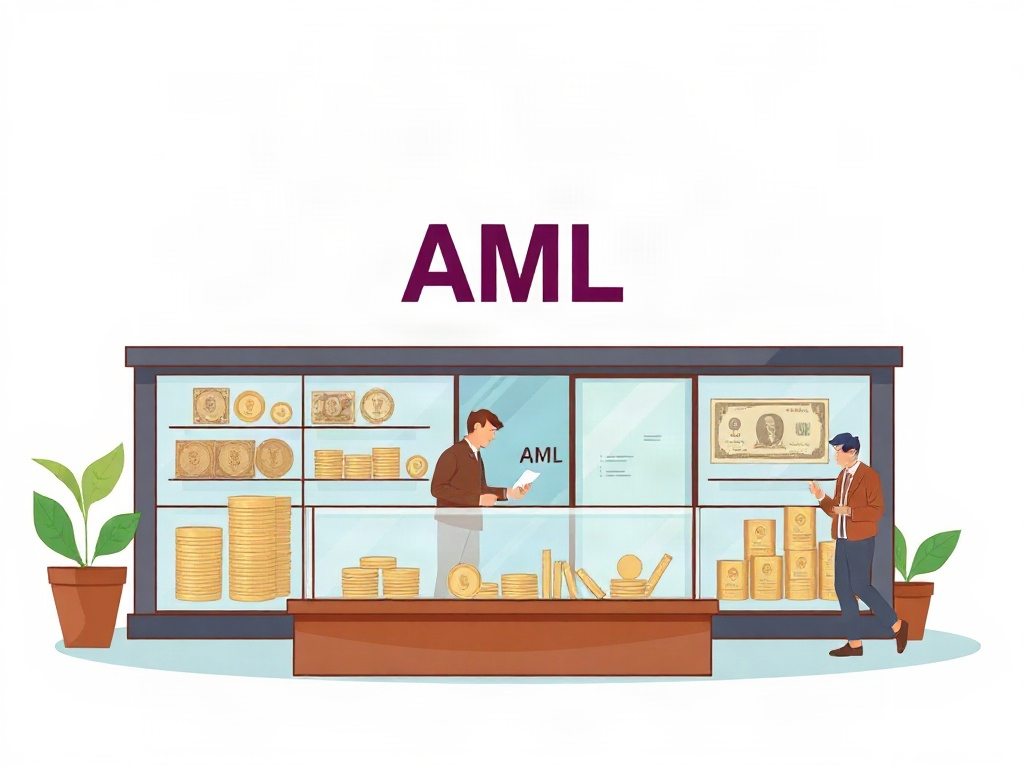
For the AML check numismatic dealer, understanding the basics of anti-money laundering protocols is the first step toward sustainable business growth and legal integrity. The numismatic market, characterized by high-value transactions, rare inventory, and often cross-border exchanges, presents unique challenges for compliance professionals. Unlike traditional retail, coin dealers frequently handle cash-intensive sales, anonymous buyers, and assets that can be easily transported across jurisdictions. This reality makes a robust AML framework not just a regulatory checkbox, but a fundamental component of operational credibility. In this comprehensive guide, we explore the essential elements that every modern numismatic professional must integrate into their daily practices, from risk assessment to technology adoption, ensuring that the pursuit of numismatic excellence never compromises compliance standards.
Understanding the AML Framework for Numismatic Professionals
Key Regulatory Bodies and International Standards
Numismatic dealers operating within the United States must align with the Financial Crimes Enforcement Network (FinCEN), while those with international clientele must also consider guidelines from the Financial Action Task Force (FATF). These organizations set the baseline for what constitutes suspicious activity, reporting thresholds, and customer identification requirements. Failure to comply can result in severe penalties, including heavy fines, license suspension, or even criminal charges. Understanding the specific obligations that apply to your dealership size, location, and transaction volume is the cornerstone of an effective compliance strategy.
Transaction Thresholds and Reporting Obligations
One of the most critical aspects of AML compliance for a coin dealer is recognizing when a transaction triggers a Currency Transaction Report (CTR) or a Suspicious Activity Report (SAR). In the U.S., any cash transaction exceeding $10,000 must be reported to FinCEN. However, the numismatic context adds complexity: a single rare coin sale might surpass this limit, or a series of smaller transactions could collectively indicate structuring—an intentional attempt to avoid detection. Dealers must meticulously document each sale, noting the buyer’s identity, payment method, and the coin’s provenance to facilitate accurate reporting when necessary.
Designing a Tailored AML Program for Your Dealership
Risk Assessment Methodologies Specific to Coin Businesses
Conducting a comprehensive risk assessment is the backbone of any AML program. For an AML check numismatic dealer, this involves evaluating the likelihood of money laundering based on factors such as inventory type, customer demographics, geographic sourcing, and payment preferences. High-risk scenarios might include transactions involving coins from conflict zones, bulk purchases of bullion, or buyers who insist on anonymity. By categorizing these risks, dealers can allocate resources proportionally, implementing stricter due diligence where the threat is greatest while maintaining efficient operations for low-risk sales.
Customer Due Diligence Protocols
Customer Due Diligence (CDD) goes beyond simply collecting a name and address. For numismatic dealers, CDD involves verifying the identity of the buyer, understanding the source of funds, and assessing whether the transaction aligns with typical market behavior. Enhanced Due Diligence (EDD) should be applied to politically exposed persons (PEPs), jurisdictions with strategic AML deficiencies, or anyone attempting to purchase coins above standard market rates without proper documentation. Maintaining a detailed KYC (Know Your Customer) file not only satisfies regulatory demands but also builds trust with legitimate collectors and investors.
Monitoring Transactions and Identifying Red Flags
Unusual Coin Movements and Pattern Recognition
Effective transaction monitoring requires a keen eye for patterns that deviate from normal market activity. Red flags for an AML check numismatic dealer include rapid flipping of rare coins, consistent purchases just below reporting thresholds, coins with altered or missing serial numbers, and buyers who refuse to provide any identifying information. Additionally, transactions involving coins that have been recently cleaned, polished, or re-certified may warrant further investigation, as these processes can be used to disguise the true origin or grade of a piece.
Cash-Intensive Business Considerations
Many numismatic dealers operate significantly with cash, whether from walk-in customers or auction proceeds. While cash is legitimate, its prevalence necessitates rigorous tracking and reconciliation. Dealers should implement internal controls such as daily cash logs, random audits, and integration with accounting software that flags anomalies. It is also vital to educate staff on the difference between legitimate cash transactions and those that might suggest an attempt to launder money through the purchase and resale of tangible assets.
Leveraging Technology for Enhanced Compliance
Compliance Software Solutions Tailored to Numismatics
Modern compliance challenges are increasingly addressed through specialized software designed for high-value, low-volume industries. For an AML check numismatic dealer, platforms that offer automated transaction monitoring, identity verification, and integrated reporting can dramatically reduce manual workload and human error. When selecting a solution, prioritize features such as customizable risk rules, real-time sanctions screening, and the ability to generate

AML check numismatic dealer: A Crypto Advisor’s Perspective on Compliance and Alternative Assets
As Emily Parker, a certified financial analyst specializing in cryptocurrency investment strategies, I frequently field questions about how traditional market compliance frameworks can inform digital asset decisions. The AML check protocols employed by numismatic dealers—verifying coin provenance, screening against sanctions, and maintaining meticulous transaction records—offer a surprisingly relevant template for due diligence in the crypto space. While the assets differ, the core objective remains the same: mitigating regulatory risk while preserving asset integrity.
From a practical standpoint, an AML check numismatic dealer must integrate customer identification, transaction monitoring, and risk scoring into every deal. These same levers apply when evaluating crypto projects, token offerings, or counterparty relationships. Investors who dismiss compliance as a "traditional finance" concern often discover too late that regulatory scrutiny can trigger asset freezes, exchange delistings, or reputational damage that outweighs any short-term gain. Embedding these checks early in the investment process is not merely a box-checking exercise; it is a strategic risk management tool.
In my advisory practice, I encourage clients to treat every investment—whether Bitcoin, a rare coin collection, or a private equity stake—with the same disciplined compliance mindset. The numismatic sector’s evolution under AML frameworks demonstrates that proactive regulation fosters market maturity and institutional trust rather than stifling opportunity. By weaving these principles into our broader crypto investment workflow, we protect capital, enhance credibility with regulators, and position our portfolios for sustainable growth across both digital and alternative asset classes.