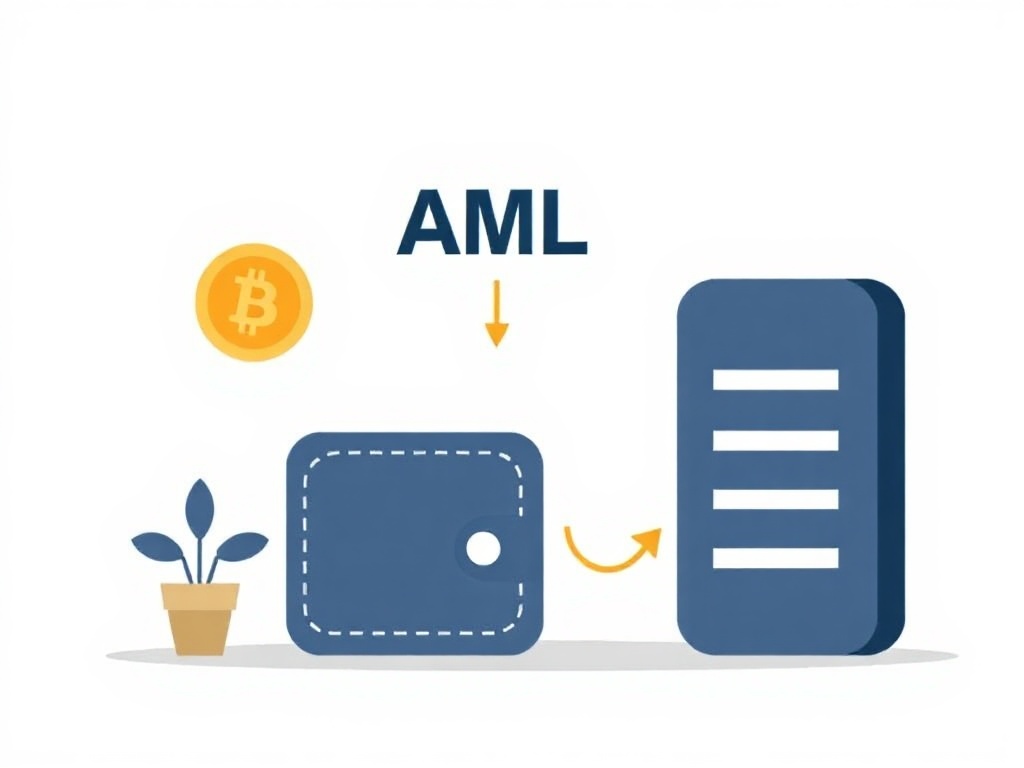
In the rapidly evolving landscape of digital assets, AML check paper wallet fund tracing has emerged as a critical practice for financial institutions, compliance officers, and law enforcement agencies. Paper wallets—physical documents containing public and private keys—represent a unique intersection of offline storage and on-chain activity. When these wallets are used to move funds, the pseudonymous nature of blockchain transactions can obscure the origin, destination, and ultimate beneficial ownership of assets. This article provides an in-depth exploration of the methodologies, challenges, and regulatory considerations surrounding AML check paper wallet fund tracing, equipping professionals with the knowledge to navigate this complex domain.
Understanding the Basics of Paper Wallets and Fund Tracing
What Is a Paper Wallet?
A paper wallet is a physical printout or handwritten record that holds a cryptocurrency's public address and private key. Historically used as a cold storage solution, paper wallets generate keys offline, thereby reducing exposure to online hacking vectors. However, when funds are spent from a paper wallet, the associated transaction broadcasts to the blockchain, creating a traceable yet often anonymized record. Understanding the technical structure of paper wallets is the first step toward effective AML check paper wallet fund tracing.
How Fund Tracing Works in Decentralized Systems
Fund tracing in decentralized networks relies on the immutability and transparency of blockchain ledgers. Every transaction is timestamped, signed, and linked to previous transactions through cryptographic hashes. For paper wallets, the tracing process begins by identifying the public address printed on the document. Analysts then follow the address's transaction history, examining inflows, outflows, and intermediate transfers. While the blockchain itself is public, attributing real-world identities to wallet addresses requires additional data integration, such as KYC records, exchange logs, and intelligence sharing.
The Role of AML check paper wallet fund tracing in Risk Assessment
Identifying Red Flags in Paper Wallet Transactions
Effective risk assessment begins with the detection of anomalous patterns. Common red flags in AML check paper wallet fund tracing include sudden large transfers from a previously inactive paper wallet, repeated structuring of amounts to avoid reporting thresholds, and rapid movement of funds through multiple jurisdictions. Compliance teams must also scrutinize the timing of transactions—especially those occurring outside normal business hours or involving jurisdictions known for weak anti-money laundering controls.
Linking On-Chain Activity to Off-Identity Actors
One of the most persistent challenges in AML check paper wallet fund tracing is bridging the gap between pseudonymous wallet addresses and identifiable individuals. Techniques such as address clustering, behavioral analysis, and cooperation with cryptocurrency exchanges can help link on-chain movements to real-world entities. Additionally, open-source intelligence (OSINT) and dark web monitoring often provide clues about the operators behind specific paper wallet distributions.
Technical Methodologies for Effective AML check paper wallet fund tracing
Blockchain Analysis Tools and Techniques
Modern compliance professionals leverage specialized blockchain analytics platforms to automate much of the tracing process. These tools employ graph algorithms to visualize fund flows, identify mixing services, and flag high-risk addresses. When conducting AML check paper wallet fund tracing, analysts import the paper wallet's public address into the system, which then scans the entire transaction history, tags associated entities, and generates risk scores based on predefined criteria. Popular solutions include chain analysis frameworks that support Bitcoin, Ethereum, and emerging layer-2 networks.
Integrating KYC Data with Paper Wallet Tracking
Technical tracing alone is insufficient without contextual human intelligence. Integrating Know Your Customer (KYC) data with blockchain transaction records enables compliance teams to validate the legitimacy of fund sources. For instance, if a paper wallet's received funds can be traced to a licensed exchange's withdrawal address, the tracing process gains a layer of legitimacy. Conversely, funds funneled through unregulated mixers or tumblers warrant heightened scrutiny. A holistic approach combines automated tracing with manual review, ensuring that AML check paper wallet fund tracing decisions are both data-driven and contextually informed.
Regulatory Frameworks and Best Practices for AML check paper wallet fund tracing
Global AML Standards Affecting Crypto Custodians
The regulatory environment for cryptocurrency tracing is shaped by a patchwork of international standards. The Financial Action Task Force (FATF) Recommendations, particularly the "Travel Rule," mandate that virtual asset service providers (VASPs) share customer information for transactions above specified thresholds. While paper wallets often bypass traditional VASPs, the principles of AML check paper wallet fund tracing align with these standards: entities must implement risk-based procedures, maintain transaction records, and report suspicious activities to relevant authorities. Regional regulations, such as the EU's Fifth Anti-Money Laundering Directive (5AMLD) and the U.S. FinCEN's guidance on digital assets, further shape compliance obligations.
Developing an Internal AML check paper wallet fund tracing Protocol
Organizations handling paper wallets should establish a formal internal protocol for fund tracing. This protocol should outline step-by-step procedures for address identification, blockchain analysis, risk scoring, and escalation. Key components include maintaining a curated list of trusted analytics tools, defining thresholds for mandatory reporting, and training compliance staff on the unique characteristics of paper wallet transactions. Regular audits of the tracing process ensure that procedures remain effective against evolving criminal tactics and regulatory changes.
Collaboration and Information Sharing
No single entity can combat financial crime in isolation. Collaboration with industry peers, regulatory bodies, and law enforcement agencies enhances the efficacy of AML check paper wallet fund tracing. Participating in sector-specific information-sharing platforms, such as the Crypto Currency Certification Consortium (C4) or regional financial intelligence units (FIUs), provides access to emerging threat intelligence and collective tracing capabilities. Such partnerships also facilitate the identification of broader criminal networks that exploit paper wallets for money laundering or sanctions evasion.
Future Trends in AML check paper wallet fund tracing
As blockchain technology matures, so too do the methods for tracing funds from paper wallets. Emerging trends include the integration of artificial intelligence and machine learning to predict suspicious patterns, the development of privacy-preserving analytics that respect user data while enabling compliance, and the standardization of metadata across wallets and exchanges. Additionally, the rise of central bank digital currencies (CBDCs) and regulated stablecoins may intersect with paper wallet usage, creating new frameworks for cross-border fund tracking. Professionals engaged in AML check paper wallet fund tracing must remain agile, continuously updating their skill sets and toolsets to stay ahead of bad actors.
Conclusion
The intersection of paper wallets and anti-money laundering compliance presents both technical challenges and regulatory opportunities. By understanding the mechanics of paper wallet transactions, leveraging advanced blockchain analysis tools, and adhering to global AML standards, compliance professionals can execute effective AML check paper wallet fund tracing that protects financial systems from abuse. As the crypto ecosystem expands, the importance of robust, ethical, and well-documented tracing practices will only grow. Organizations that invest in comprehensive protocols, staff training, and collaborative intelligence sharing will be best positioned to navigate the complexities of digital asset compliance while fostering innovation and trust in the broader financial ecosystem.
- Adopt a risk-based approach to AML check paper wallet fund tracing, focusing resources on high-probability threat vectors.
- Maintain meticulous records of all tracing activities to support regulatory examinations and audits.
- Engage continuously with industry forums and regulatory updates to refine tracing methodologies.
- Balance technological automation with human expertise to ensure nuanced decision-making in complex cases.
- Identify and document the paper wallet's public address.
- Import the address into a compliant blockchain analytics platform.
- Analyze the full transaction history, noting inflows, outflows, and intermediary addresses.
- Cross-reference transaction data with KYC and exchange records.
- Assign a risk score based on predefined criteria and regulatory thresholds.
- Escalate suspicious patterns to the designated compliance officer or relevant authority.
By following this structured approach, compliance teams can transform the opaque nature of paper wallet transactions into actionable intelligence, reinforcing the integrity of the financial system while supporting the legitimate growth of the cryptocurrency market.

title 2. Write in first person as David Chen, Digital Assets Strategist 3. Professional, authoritative tone 4. 2-3 paragraphs 5. Include practical insights 6. Return as HTML with
tags. No markdown. So I need to output just HTML with
tags, no markdown syntax like # or **. The user wants the entire article in English only. The keyword must appear naturally in the expanded title. The title should be expanded for readability based on the keyword.