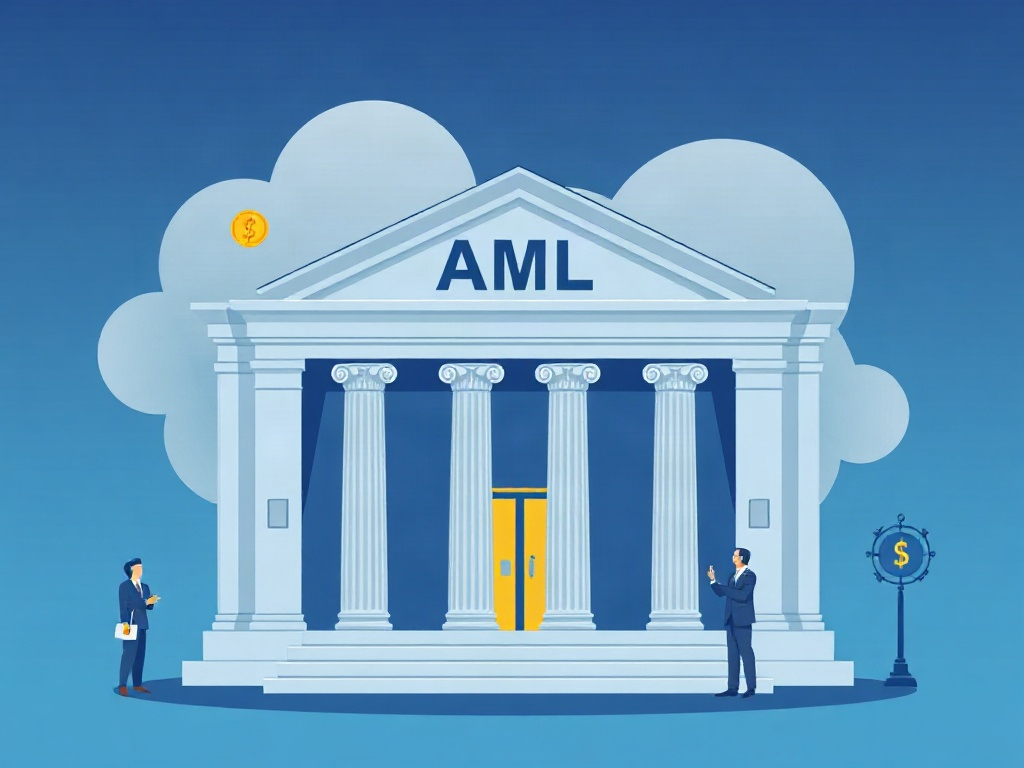
The Cayman Islands stands as one of the world’s premier international offshore financial centers. Its jurisdiction is celebrated for its business-friendly environment, robust legal frameworks, and sophisticated financial infrastructure. However, this global prominence inevitably attracts individuals and entities seeking to legitimize illicit funds through money laundering. To combat this persistent threat, the local regulatory authorities have established stringent anti-money laundering (AML) directives. For any business operating within the Cayman Islands, understanding and executing a rigorous AML check Cayman CIMA is not merely a legal formality; it is a critical component of corporate governance and international reputation management. This detailed article provides an in-depth exploration of the AML landscape in the Cayman Islands, focusing on the regulatory mandates set forth by CIMA, the essential components of compliance, and the strategic approaches businesses must adopt to navigate these complex requirements successfully.
The Regulatory Landscape: CIMA and AML Obligations
Understanding the Role of CIMA in Financial Compliance
In the Cayman Islands, the Capital Markets Services Association (CIMA) plays a pivotal role in safeguarding the integrity of the local financial markets. As the primary regulatory body overseeing capital markets, CIMA is tasked with enforcing a wide array of compliance standards, including anti-money laundering regulations. CIMA operates at the intersection of local legislation and international standards, ensuring that Caymanian financial institutions remain aligned with the Financial Action Task Force (FATF) recommendations. The association mandates strict reporting mechanisms, continuous monitoring, and comprehensive risk assessments for all entities operating within its jurisdiction.
For professionals in the financial sector, comprehending the nuances of CIMA’s regulatory framework is paramount. The association does not merely issue guidelines; it actively monitors market conduct and imposes severe penalties for non-compliance. Therefore, when preparing for an AML check, firms must demonstrate a profound understanding of CIMA’s expectations. This involves recognizing that CIMA’s AML directives are designed to be proactive rather than reactive, requiring institutions to anticipate potential financial crimes rather than merely reacting to them after the fact.
The Intersection of Local Law and International Standards
The Cayman Islands has built a reputation as a jurisdiction that harmonizes local regulatory demands with international anti-money laundering standards. This harmonization is crucial for maintaining the island's status as a trusted global financial hub. By aligning its domestic laws with FATF recommendations, CIMA ensures that Caymanian businesses face the same rigorous expectations as their counterparts in more prominent financial centers like London, New York, or Singapore.
This alignment means that an AML check in the Cayman Islands must incorporate global best practices. Firms cannot rely solely on outdated internal policies; they must integrate international typologies and screening criteria into their daily operations. The result is a robust compliance ecosystem that deters financial criminals from using the Cayman Islands as a conduit for illicit funds.
The Imperative of AML Checks for Cayman Businesses
Legal Consequences of Non-Compliance
The legal consequences of failing to conduct adequate AML checks are severe and multifaceted. Under Caymanian law, non-compliance can result in substantial fines, operational restrictions, and in extreme cases, criminal prosecution. Regulators such as CIMA possess the authority to suspend or revoke the operating licenses of non-compliant entities. Beyond the immediate financial penalties, the reputational damage inflicted by a money laundering scandal can be devastating. Global investors and partners may distance themselves from a firm perceived as a haven for illicit funds, leading to a collapse in client acquisition and market share.
Therefore, viewing the AML check not as a bureaucratic hurdle but as a vital shield for the business is essential. It protects the institution's license to operate and preserves the trust of clients, regulators, and the broader international community. A proactive approach to compliance ensures that businesses can continue to operate freely and confidently in the global marketplace.
Reputational Risk and Market Confidence
Beyond the tangible legal risks, the reputational impact of an AML failure cannot be overstated. In the modern era of global finance, news of regulatory breaches travels fast. A single incident involving a prominent Caymanian bank or asset manager can trigger widespread media coverage, eroding public confidence in the entire jurisdiction's financial stability. This loss of confidence can have cascading effects, impacting everything from local property markets to the

AML Check Cayman CIMA: Navigating Compliance in Digital Asset Investments
As a certified financial analyst with over a decade of experience navigating the digital asset landscape, I view the integration of rigorous anti-money laundering protocols into our investment processes as non-negotiable. When evaluating crypto investment vehicles, particularly those registered through the Cayman Islands' Capital Investment Management Association framework, an AML check Cayman CIMA is not merely a regulatory formality; it is the fundamental shield protecting both investors and institutions from systemic financial crime. The Cayman Islands has established itself as a premier jurisdiction for offshore crypto custody and fund structuring, which inherently attracts significant regulatory scrutiny. Consequently, any investor—whether retail or institutional—must demand transparent, auditable AML compliance from their asset managers before committing capital.
From a practical standpoint, the onus of conducting thorough due diligence falls squarely on the investor, not the custodian. I advise my clients to treat AML documentation as the primary filter in their investment thesis. This means scrutinizing the entity’s beneficial ownership registries, verifying the adequacy of their internal compliance programs, and ensuring they adhere strictly to the Central Bank of the Cayman Islands and international standards. Failing to conduct a rigorous AML check Cayman CIMA can expose an investor to severe reputational damage and legal liabilities, especially if the underlying fund is later found to have processed funds from sanctioned entities or high-risk jurisdictions.
Ultimately, integrating these checks into your investment workflow transforms a potential vulnerability into a competitive advantage. By prioritizing AML compliance, investors can confidently allocate capital to sophisticated digital asset strategies without compromising their ethical standards or regulatory standing. For both retail and institutional players, making AML due diligence a mandatory gatekeeper in the evaluation of Cayman CIMA-registered funds is the only sustainable path forward in the evolving crypto ecosystem.