The AML check alert triage workflow is a critical component of modern financial crime prevention systems. As financial institutions face increasingly sophisticated threats, the ability to efficiently process and respond to suspicious activity alerts has become a cornerstone of effective anti-money laundering (AML) compliance programs. This workflow not only ensures regulatory adherence but also enhances operational efficiency by prioritizing high-risk cases for investigation.
In this comprehensive guide, we explore the intricacies of the AML check alert triage workflow, its key components, best practices, and how financial institutions can optimize this process to combat financial crime effectively. Whether you're a compliance officer, risk manager, or AML analyst, understanding this workflow is essential for maintaining robust AML defenses in an evolving threat landscape.
---The Importance of AML Check Alert Triage in Financial Crime Prevention
Why the AML Check Alert Triage Workflow Matters
The AML check alert triage workflow serves as the first line of defense in identifying and mitigating potential money laundering activities. Without an efficient triage process, financial institutions risk being overwhelmed by false positives, leading to delayed investigations and regulatory penalties. A well-structured triage workflow ensures that only the most relevant alerts are escalated for further review, reducing operational costs and improving compliance outcomes.
According to recent studies, financial institutions spend an average of $10,000 to $50,000 per year on false positive alerts alone. By refining the AML check alert triage workflow, organizations can significantly reduce these costs while enhancing their ability to detect genuine threats. Additionally, regulatory bodies such as the Financial Crimes Enforcement Network (FinCEN) and the Financial Action Task Force (FATF) emphasize the need for risk-based approaches in AML compliance, making the triage process a regulatory necessity.
Regulatory Requirements and Industry Standards
The AML check alert triage workflow is not just a best practice—it is a regulatory requirement under various AML laws, including the Bank Secrecy Act (BSA) in the U.S., the EU’s Sixth Anti-Money Laundering Directive (6AMLD), and the Financial Transactions and Reports Analysis Centre of Canada (FINTRAC) guidelines. These regulations mandate that financial institutions implement systems capable of identifying, assessing, and reporting suspicious transactions in a timely manner.
Key regulatory expectations include:
- Risk-Based Approach: Institutions must prioritize alerts based on risk levels, ensuring that high-risk cases receive immediate attention.
- Documentation and Audit Trails: All triage decisions must be documented to demonstrate compliance during regulatory examinations.
- Continuous Monitoring: The AML check alert triage workflow should be dynamic, adapting to emerging threats and changing customer behaviors.
Failure to comply with these requirements can result in hefty fines, reputational damage, and even criminal liability. Therefore, financial institutions must treat the AML check alert triage workflow as a strategic priority rather than an operational afterthought.
---Key Components of an Effective AML Check Alert Triage Workflow
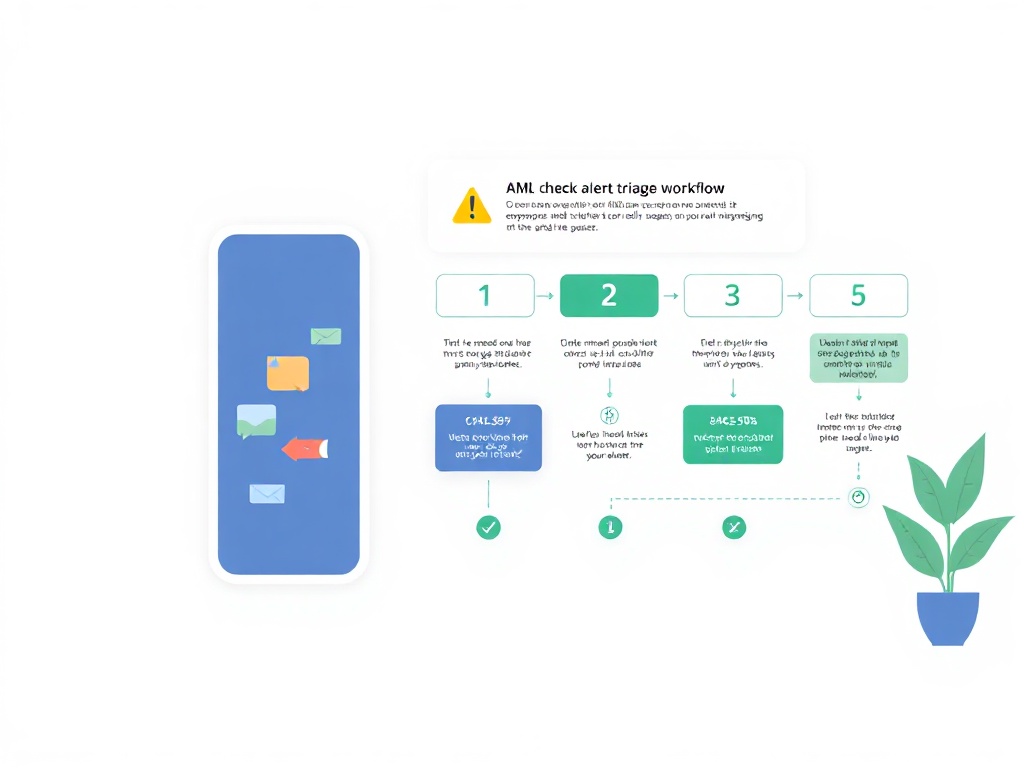
1. Alert Generation and Initial Screening
The first step in the AML check alert triage workflow is alert generation, which occurs when a transaction or customer behavior triggers a predefined rule or scenario within the AML monitoring system. These alerts can stem from various sources, including:
- Unusual transaction patterns (e.g., large cash deposits, rapid fund transfers)
- Customer profile mismatches (e.g., a low-risk customer suddenly engaging in high-risk activities)
- Geographic risk factors (e.g., transactions involving high-risk jurisdictions)
- Politically exposed persons (PEPs) or sanctioned entities
Once an alert is generated, the next phase in the AML check alert triage workflow is initial screening, where automated systems filter out low-risk or false-positive alerts. This step relies on rule-based logic, machine learning models, and historical data to assess the likelihood of suspicious activity. For example, a transaction of $5,000 may be flagged if the customer’s typical activity involves amounts under $1,000, but the same transaction may be deprioritized if the customer has a consistent history of such behavior.
2. Risk Scoring and Prioritization
A critical aspect of the AML check alert triage workflow is risk scoring, which assigns a numerical or categorical value to each alert based on its potential risk level. Risk scoring models consider multiple factors, including:
- Customer Risk Profile: The customer’s risk tier (low, medium, high) based on factors such as occupation, transaction history, and geographic location.
- Transaction Characteristics: The amount, frequency, and nature of the transaction (e.g., cash vs. electronic transfers).
- Behavioral Patterns: Deviations from established customer behavior, such as sudden spikes in activity or unusual beneficiary lists.
- External Data Sources: Integration with sanctions lists, PEP databases, and adverse media screening tools.
Once risk scores are assigned, alerts are prioritized for investigation. High-risk alerts are escalated immediately, while medium-risk alerts may be reviewed within a specified timeframe, and low-risk alerts may be archived or dismissed. This prioritization ensures that compliance teams focus their resources on the most critical cases, optimizing the AML check alert triage workflow.
3. Case Investigation and Decision-Making
The investigation phase of the AML check alert triage workflow involves a detailed review of the flagged activity to determine whether it constitutes suspicious behavior. Investigators typically follow a structured approach:
- Gather Relevant Data: Collect transaction records, customer profiles, and any additional context that may explain the alert.
- Analyze Patterns: Look for red flags such as structuring, layering, or integration—common techniques used in money laundering.
- Consult Additional Sources: Cross-reference with internal databases, external watchlists, and law enforcement reports if necessary.
- Document Findings: Record all observations, decisions, and justifications to maintain an audit trail.
At the end of the investigation, the investigator must make a determination: Is the activity suspicious enough to warrant a Suspicious Activity Report (SAR)? If so, the case is escalated for SAR filing. If not, the alert is closed with an explanation. This decision-making process is a core function of the AML check alert triage workflow and must be conducted with precision to avoid regulatory scrutiny.
4. Escalation and Reporting
For cases deemed suspicious, the next step in the AML check alert triage workflow is escalation to senior management or a dedicated AML committee for final review. This step ensures that high-risk cases receive the appropriate level of scrutiny before a SAR is filed. The escalation process may involve:
- Peer Review: A second investigator or compliance officer reviews the case to validate the findings.
- Legal and Compliance Approval: Legal teams may assess the case for potential legal exposure or regulatory risks.
- SAR Filing: If the activity is confirmed as suspicious, a SAR is filed with the relevant financial intelligence unit (FIU), such as FinCEN in the U.S. or NCA in the UK.
Timely and accurate reporting is essential for compliance with AML regulations. Delays or errors in the AML check alert triage workflow can result in regulatory penalties, so institutions must ensure that their escalation and reporting processes are streamlined and well-documented.
5. Feedback Loop and Continuous Improvement
The final component of the AML check alert triage workflow is the feedback loop, which involves analyzing past cases to refine the system. This step is crucial for reducing false positives and improving the accuracy of future alerts. Key activities in this phase include:
- False Positive Analysis: Identifying patterns in alerts that were incorrectly flagged and adjusting rules or models accordingly.
- Case Outcome Review: Assessing the outcomes of investigated cases to determine whether the triage process effectively identified suspicious activity.
- Rule and Model Optimization: Updating risk scoring models, transaction monitoring rules, and customer risk profiles based on new data and emerging threats.
- Staff Training: Providing ongoing training to AML analysts to ensure they are aware of the latest typologies and best practices.
By incorporating a feedback loop into the AML check alert triage workflow, financial institutions can continuously enhance their AML programs, reducing operational costs and improving detection capabilities.
---Best Practices for Optimizing the AML Check Alert Triage Workflow
1. Leveraging Technology and Automation
One of the most effective ways to optimize the AML check alert triage workflow is through the use of advanced technologies such as artificial intelligence (AI) and machine learning (ML). These tools can significantly enhance the accuracy and efficiency of the triage process by:
- Reducing False Positives: AI-driven models can learn from historical data to distinguish between legitimate transactions and suspicious activity more accurately than traditional rule-based systems.
- Automating Routine Tasks: Machine learning can automate the initial screening of alerts, freeing up analysts to focus on complex investigations.
- Adapting to New Threats: AI systems can continuously update their risk models based on emerging money laundering typologies, ensuring that the AML check alert triage workflow remains effective against evolving threats.
For example, a leading global bank implemented an AI-powered AML monitoring system that reduced false positives by 40% within six months, saving millions in operational costs. Such technologies are becoming increasingly accessible, making them a valuable investment for institutions looking to enhance their AML check alert triage workflow.
2. Implementing a Risk-Based Approach
A risk-based approach is fundamental to an effective AML check alert triage workflow. This strategy involves tailoring the triage process to the specific risk profiles of customers and transactions rather than applying a one-size-fits-all approach. Key elements of a risk-based triage workflow include:
- Customer Risk Assessment: Classify customers into risk tiers (low, medium, high) based on factors such as occupation, transaction history, and geographic location.
- Transaction Monitoring Rules: Adjust monitoring thresholds based on customer risk levels. For example, high-risk customers may trigger alerts for smaller transactions than low-risk customers.
- Enhanced Due Diligence (EDD): Apply additional scrutiny to high-risk customers, including enhanced transaction monitoring and periodic reviews.
By adopting a risk-based AML check alert triage workflow, financial institutions can allocate their resources more effectively, focusing on the cases that pose the highest risk to the organization.
3. Enhancing Collaboration Between Teams
An effective AML check alert triage workflow requires seamless collaboration between multiple teams, including compliance, risk management, legal, and IT. Siloed operations can lead to inefficiencies, missed red flags, and regulatory gaps. To foster collaboration, institutions should:
- Establish Cross-Functional AML Committees: Regular meetings between departments to discuss emerging threats, review case outcomes, and refine the triage process.
- Implement Shared Dashboards: Use centralized platforms to provide real-time visibility into alert statuses, investigations, and reporting metrics across teams.
- Conduct Joint Training Sessions: Train compliance and risk teams together to ensure a unified understanding of AML typologies and triage best practices.
For instance, a multinational bank improved its AML check alert triage workflow by creating a dedicated AML operations center where compliance, IT, and legal teams work side by side. This collaboration reduced investigation times by 30% and improved SAR filing accuracy.
4. Ensuring Regulatory Compliance and Audit Readiness
Regulatory compliance is a non-negotiable aspect of the AML check alert triage workflow. Financial institutions must ensure that their triage processes align with local and international AML regulations, including:
- Documentation Requirements: Maintain detailed records of all alert investigations, decisions, and escalations to demonstrate compliance during audits.
- Timely Reporting: File Suspicious Activity Reports (SARs) within the required timeframes to avoid penalties.
- Independent Reviews: Conduct periodic audits of the AML check alert triage workflow to identify gaps and areas for improvement.
Institutions should also stay informed about regulatory updates, such as changes to the FATF Recommendations or new sanctions lists, and adjust their triage workflows accordingly. Proactive compliance measures not only mitigate regulatory risks but also enhance the institution’s reputation as a responsible financial entity.
5. Measuring Performance and KPIs
To continuously improve the AML check alert triage workflow, financial institutions should track key performance indicators (KPIs) that measure the effectiveness of their triage processes. Relevant KPIs include:
- Alert-to-Investigation Ratio: The percentage of alerts that are escalated for investigation. A high ratio may indicate overly sensitive monitoring rules.
- False Positive Rate: The percentage of alerts that are incorrectly flagged as suspicious. A lower rate suggests a more accurate triage process.
- Average Investigation Time: The time taken to review and resolve an alert. Faster investigation times improve operational efficiency.
- SAR Filing Accuracy: The percentage of filed SARs that are accepted by regulatory authorities. High accuracy rates indicate effective triage and investigation.
- Cost per Alert: The operational cost associated with processing each alert. Reducing this cost improves the ROI of the AML program.
By regularly reviewing these KPIs, institutions can identify bottlenecks, optimize resource allocation, and refine their AML check alert triage workflow to achieve better outcomes.
---Common Challenges in AML Check Alert Triage Workflows and How to Overcome Them
1. High Volume of False Positives
One of the most significant challenges in the AML check alert triage workflow is the overwhelming volume of false positives, which can account for up to 95% of all alerts in some institutions. False positives not only drain resources but also lead to alert fatigue, causing analysts to miss genuine threats.
To address this issue, financial institutions can:
- Refine Monitoring Rules: Adjust transaction thresholds and risk parameters to reduce unnecessary alerts.
- Implement AI and ML: Use predictive analytics to distinguish between legitimate and suspicious activity more accurately.
- Leverage Customer Behavior Analytics: Analyze historical transaction patterns to identify deviations that warrant alerts.
For example, a regional bank reduced its false positive rate from 90% to 60% by implementing a machine learning model that adapted to customer behavior over time.
2. Lack of Standardization Across Systems
Many financial institutions struggle with fragmented AML systems that lack standardization, leading to inconsistencies in the AML check alert triage workflow. This can result in missed alerts, duplicate investigations, and regulatory gaps.
To overcome this challenge, institutions should:
- Centralize AML Operations: Consolidate monitoring, triage, and reporting functions into a single platform to ensure consistency.
- Standardize Processes: Develop uniform triage procedures, risk scoring models, and escalation protocols across all business units.
- Integrate Data Sources: Ensure that all relevant data (customer profiles, transaction records, sanctions lists) are seamlessly integrated into the AML system.
A global financial services firm improved its AML check alert triage workflow by implementing a unified AML platform that integrated data from multiple jurisdictions, reducing investigation times by 25%.
3. Inadequate Staff Training and Expertise
AML analysts play a crucial role in the AML check alert triage workflow, but many institutions face challenges due to insufficient training or high turnover rates. Analysts must be well-versed in AML typologies, regulatory requirements, and investigative techniques to effectively triage alerts.
To enhance staff expertise, institutions should:
- Provide Ongoing Training: Offer regular workshops, webinars, and certifications (e.g., CAMS, CFE) to keep analysts updated on the latest AML trends.
- Develop Internal Guidelines
 James RichardsonSenior Crypto Market Analyst
Optimizing the AML Check Alert Triage Workflow for Institutional Crypto Compliance
As a Senior Crypto Market Analyst with over a decade of experience in digital asset risk assessment, I’ve observed that the AML check alert triage workflow is often the linchpin of effective financial crime prevention in crypto. Too many institutions treat this process as a mere checkbox exercise, but in reality, it demands a dynamic, risk-based approach. The triage workflow must balance speed with precision—flagging suspicious activity without overwhelming compliance teams with false positives. From my work analyzing institutional adoption trends, I’ve found that firms leveraging AI-driven transaction monitoring paired with human oversight achieve a 30-40% reduction in false alerts while maintaining regulatory rigor. The key lies in tiered alert prioritization: high-risk alerts (e.g., sanctioned entity matches, structuring patterns) should trigger immediate escalation, while lower-risk anomalies (e.g., unusual but explainable transaction volumes) can be batched for periodic review.
Practical implementation of an optimized AML check alert triage workflow requires more than just technology—it demands a cultural shift within compliance teams. Institutions must invest in continuous training to ensure analysts understand the nuances of crypto-specific risks, such as mixers, privacy coins, and cross-chain arbitrage schemes. I’ve seen firms fail by treating their triage workflow as a static process, only to be blindsided by evolving threats like sanctioned address spoofing or DeFi protocol exploits. A forward-looking approach includes integrating real-time blockchain forensics tools (e.g., Chainalysis Reactor, TRM Labs) with traditional AML systems to correlate on-chain and off-chain data. Additionally, firms should conduct quarterly "red team" exercises to test their triage workflow’s resilience against emerging tactics. The goal isn’t just compliance—it’s building a system that adapts as quickly as the market does.