In today’s rapidly evolving financial ecosystem, the integrity of transaction monitoring systems is paramount. Institutions face increasing pressure to detect and prevent money laundering, terrorist financing, and other illicit activities while maintaining seamless customer experiences. At the heart of this balance lies the specialized function of the AML check payment agent. This professional role bridges the gap between rigorous regulatory compliance and efficient payment processing, ensuring that every transaction adheres to anti-money laundering (AML) standards without unnecessarily disrupting legitimate business operations. Understanding the nuances of this role is essential for financial institutions, fintech innovators, and compliance officers alike.
The scope of an AML check payment agent extends far beyond simple transaction verification. It encompasses a comprehensive suite of duties, including real-time screening, risk assessment, suspicious activity reporting, and continuous collaboration with compliance teams and regulatory bodies. As global AML regulations grow more stringent and technologically sophisticated, the demand for skilled agents who can navigate this complex landscape has never been higher. This article delves into the multifaceted responsibilities, regulatory frameworks, best practices, and future trends shaping the profession.
The Evolving Role of the AML check payment agent in Anti-Money Laundering Compliance
Historically, AML functions were siloed, reactive, and heavily dependent on manual reviews. The modern AML check payment agent operates at the intersection of technology, law, and finance, leveraging advanced analytics, machine learning, and automated workflows to enhance detection accuracy. This shift has transformed the agent from a gatekeeper into a strategic advisor within the organization, capable of interpreting complex regulatory signals and translating them into actionable operational strategies.
Core Functions of the AML check payment agent
- Transaction Screening: Utilizing sophisticated screening tools to compare transaction data against global watchlists, politically exposed persons (PEP) databases, and sanction lists in real time.
- Risk Scoring: Assigning dynamic risk ratings to customers and transactions based on geography, transaction history, behavior patterns, and emerging threat intelligence.
- Alert Investigation: Triaging and investigating automated alerts, determining false positives from genuine threats, and documenting findings for internal and external auditors.
- Reporting Obligations: Preparing and filing Suspicious Activity Reports (SARs) and other mandatory disclosures to financial intelligence units (FIUs) within prescribed timelines.
Integration with Banking and Fintech Systems
Seamless integration is critical for the effectiveness of an AML check payment agent. Modern agents must work in harmony with core banking systems, payment gateways, API-driven platforms, and customer relationship management (CRM) tools. Application Programming Interfaces (APIs) enable real-time data exchange, ensuring that screening occurs at the point of transaction initiation rather than as a post-processing step. This proactive approach significantly reduces the window of opportunity for illicit funds to traverse the financial system.
Regulatory Frameworks Governing AML check payment agent Activities
The operational landscape for an AML check payment agent is defined by a complex web of international, regional, and national regulations. Compliance is not optional; failure to adhere to these frameworks can result in severe penalties, reputational damage, and loss of operating licenses. Understanding the primary regulatory drivers is essential for any professional in this field.
Global Standards and Guidelines
At the international level, the Financial Action Task Force (FATF) sets the global benchmark for AML compliance. Its Recommendations provide a comprehensive framework that member countries are expected to implement into their national laws. The AML check payment agent must stay abreast of FATF updates, particularly those concerning virtual assets, cross-border transactions, and the proliferation of new payment technologies.
Regional and National Requirements
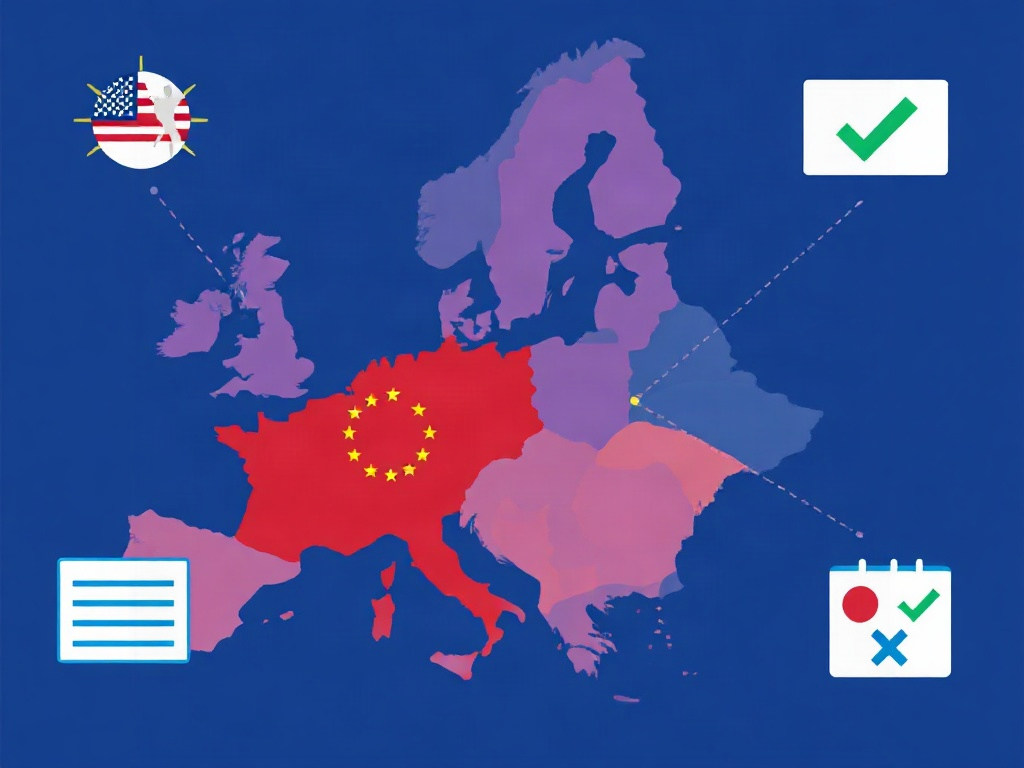
Within the European Union, the Anti-Money Laundering Directives (AMLD5, AMLD6, and the upcoming AMLD7) impose stringent obligations on payment service providers and financial institutions. In the United States, the Bank Secrecy Act (BSA), Customer Identification Program (CIP), and FinCEN regulations dictate the compliance posture. Additionally, jurisdictions such as the United Kingdom, Singapore, and Australia have their own robust frameworks, each with unique reporting requirements, customer due diligence (CDD) standards, and record-keeping mandates. The AML check payment agent must possess a working knowledge of these diverse regimes, especially for institutions operating across multiple markets.
Licensing and Authorization
Many regions require specific licensing for entities engaged in payment processing and AML monitoring. The AML check payment agent often serves as the compliance liaison during the licensing application process, ensuring that systems, policies, and procedures meet the rigorous standards set by regulators such as the European Banking Authority (EBA), the UK Financial Conduct Authority (FCA), or the U.S. Office of the Comptroller of the Currency (OCC).
Operational Best Practices for AML check payment agent Effectiveness
Beyond regulatory knowledge, the day-to-day effectiveness of an AML check payment agent hinges on the adoption of industry best practices. These practices not only enhance detection rates but also improve operational efficiency, reduce false positive rates, and foster a culture of compliance within the organization.
Due Diligence Protocols
A cornerstone of AML compliance is robust customer due diligence (CDD). The AML check payment agent must implement tiered CDD approaches: simplified due dilism for low-risk customers, standard CDD for typical clients, and enhanced due diligence (EDD) for high-risk individuals, PEPs, and jurisdictions with strategic AML deficiencies. EDD may involve source-of-funds verification, ongoing transaction monitoring, and senior management approval.
Technology and Automation
The integration of machine learning (ML) and artificial intelligence (AI) has revolutionized the capabilities of the AML check payment agent. Predictive analytics can identify subtle patterns indicative of money laundering that traditional rule-based systems might miss. However, technology should augment—not replace—human judgment. A hybrid approach, where automated systems flag potential risks and human experts validate findings, strikes the optimal balance between efficiency and accuracy.
Continuous Monitoring and Feedback Loops
Static compliance frameworks quickly become obsolete in the face of evolving criminal tactics. The AML check payment agent should establish continuous monitoring protocols and regular feedback loops with IT teams, risk managers, and external consultants. Periodic testing of screening scenarios, updating watchlist parameters, and refining risk models ensure that the system remains resilient against emerging threats.
Training and Awareness
Human error remains one of the most significant vulnerabilities in AML compliance. Regular training programs tailored to the specific responsibilities of the AML check payment agent—covering new regulations, typologies, and software updates—are vital. Cultivating a compliance-first mindset across the organization, from front-line staff to senior leadership, reinforces the importance of vigilance and shared responsibility.
Selecting the Right AML check payment agent for Your Organization
For financial institutions and fintech companies, the decision to hire or partner with an AML check payment agent—or to build an internal capability—requires careful consideration of several factors. The right candidate or solution can significantly elevate an organization’s compliance posture, while a misaligned choice can lead to regulatory gaps and operational inefficiencies.
Assessing Technical Proficiency
Technical acumen is non-negotiable. The ideal AML check payment agent should possess deep experience with leading AML software platforms such as Actimize, FICO, SAS, or open-source alternatives. Proficiency in data analytics, SQL, and API integration is equally important, as agents must often customize screening rules, manipulate large datasets, and troubleshoot technical issues without external support.
Regulatory Track Record
A proven history of successful navigation through regulatory examinations, audits, and enforcement actions is a strong indicator of competence. Prospective agents or vendors should be able to demonstrate experience with the specific jurisdictions and industry verticals relevant to your organization. Requesting case studies, references, and compliance metrics can provide valuable insights into their track record.
Cultural Fit and Communication Skills
Compliance is a collaborative endeavor. The AML check payment agent must possess excellent communication skills to translate complex regulatory requirements into plain-language guidance for operational teams. They should be comfortable presenting findings to board members, interacting with external auditors, and negotiating with counterpart institutions. A culture-aligned agent who values transparency, ethical decision-making, and continuous improvement will integrate more smoothly into your organization.
Scalability and Flexibility
As your business grows, so too will your transaction volume and regulatory complexity. The chosen AML check payment agent or solution must be scalable to handle increased loads without compromising performance. Flexibility to adapt to new product lines, geographic expansions, and regulatory changes is equally critical. Modular architectures, cloud-based platforms, and vendor-agnostic skill sets future-proof your compliance infrastructure.
Future-Proofing Your AML check payment agent Strategy
The financial crime landscape is in a state of perpetual flux. Criminals continually adapt their methods, leveraging new technologies, exploiting regulatory gaps, and targeting emerging payment channels. For the AML check payment agent, complacency is not an option. Proactive strategizing is essential to maintain a competitive and compliant edge.
Emerging Technologies
Blockchain analytics, decentralized finance (DeFi) monitoring, and central bank digital currency (CBDC) tracking are among the frontiers reshaping AML compliance. The AML check payment agent must familiarize themselves with these technologies, understanding both their potential for illicit exploitation

The AML check payment agent: Compliance Infrastructure for Blockchain Transactions
As Sarah Mitchell, Blockchain Research Director with nearly a decade of experience in distributed ledger technology, I have witnessed the rapid evolution of compliance mechanisms within the crypto ecosystem. The emergence of the AML check payment agent represents a pivotal shift from reactive monitoring to proactive, on-chain risk mitigation. In an environment where cross-chain interoperability and tokenomics drive innovation, integrating robust anti-money laundering protocols directly into payment infrastructure is no longer optional—it is a foundational requirement for institutional adoption and regulatory trust.
From a practical standpoint, the AML check payment agent functions as a middleware layer that validates transaction provenance in real time, leveraging smart contract audits and on-chain analytics to flag suspicious activity before settlement occurs. What distinguishes modern agents is their ability to operate across multiple blockchain networks without compromising latency or user experience. By embedding compliance checks into the payment agent's execution flow, we eliminate the friction traditionally associated with off-chain KYC processes, enabling seamless yet secure transfers of value. This approach also aligns with the tokenomics frameworks I specialize in, ensuring that every token movement respects both regulatory boundaries and the intended utility of the underlying asset.
Looking ahead, the convergence of AML technology and blockchain infrastructure will be defined by interoperability, privacy-preserving verification, and adaptive risk scoring. As regulators worldwide refine their stance on digital assets, the AML check payment agent will evolve from a static compliance tool into a dynamic, learning system that integrates seamlessly with decentralized finance protocols and enterprise-grade settlement layers. For practitioners and investors alike, embracing this technology means future-proofing operations against emerging threats while maintaining the decentralized ethos that underpins the industry.