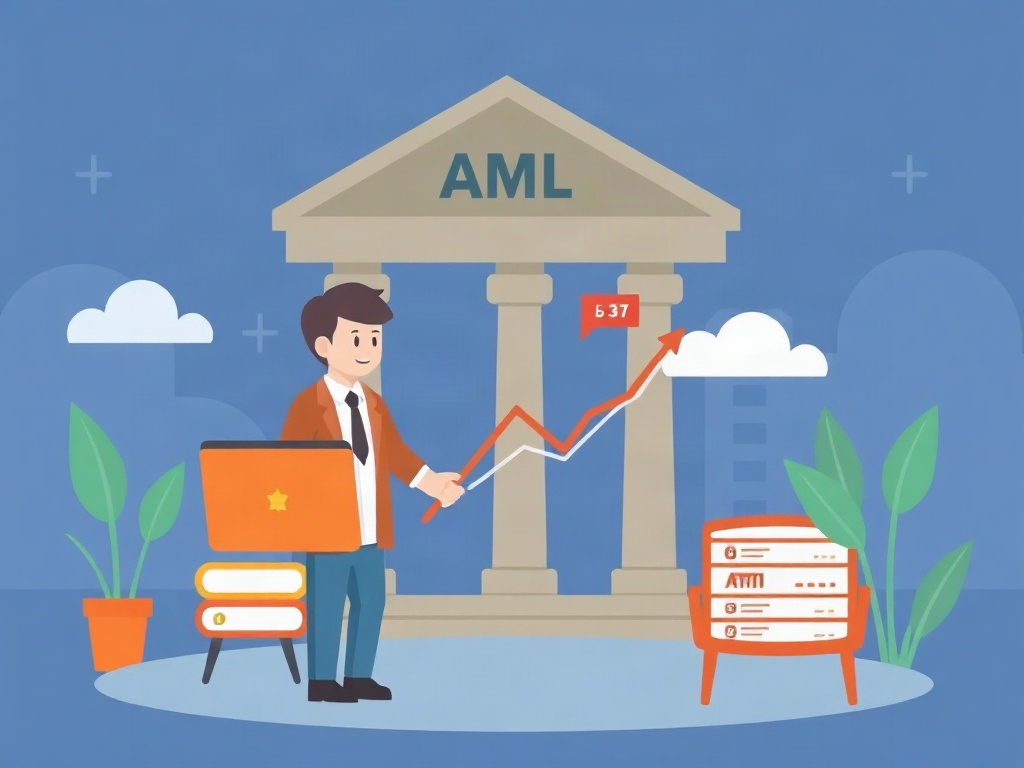
In the rapidly evolving landscape of digital finance, Anti-Money Laundering (AML) compliance remains a cornerstone of secure and transparent transactions. One critical aspect of AML checks in cryptocurrency exchanges is the management of withdrawal address reuse. This practice, while seemingly convenient, poses significant risks to both financial institutions and users. This comprehensive guide explores the concept of AML check exchange withdrawal address reuse, its implications, regulatory expectations, and best practices to mitigate associated risks.
The Role of AML Checks in Cryptocurrency Exchanges
Anti-Money Laundering (AML) regulations are designed to prevent financial crimes such as money laundering, terrorist financing, and fraud. Cryptocurrency exchanges, as financial intermediaries, are required to implement robust AML checks to ensure compliance with global standards like the Financial Action Task Force (FATF) guidelines and regional laws such as the Bank Secrecy Act (BSA) in the United States or the Fifth Anti-Money Laundering Directive (5AMLD) in the European Union.
At the heart of AML compliance lies the Know Your Customer (KYC) process, which involves verifying the identity of users and assessing their transaction patterns. However, another crucial component is the monitoring of withdrawal addresses. When a user initiates a withdrawal, the exchange must ensure that the destination address is not associated with illicit activities or sanctioned entities.
This is where the concept of AML check exchange withdrawal address reuse becomes relevant. Reusing withdrawal addresses—particularly those previously linked to suspicious or high-risk transactions—can expose exchanges to regulatory penalties, reputational damage, and financial losses. Understanding how to manage this practice is essential for maintaining compliance and operational integrity.
Why Withdrawal Address Reuse Matters in AML Compliance
Withdrawal address reuse refers to the practice of allowing users to send funds to previously used addresses, either their own or those of others. While this may seem harmless, it introduces several challenges from an AML perspective:
- Increased Risk of Illicit Funds: If a withdrawal address has been flagged in an AML investigation, reusing it could inadvertently facilitate the movement of illicit funds.
- Difficulty in Tracking Transactions: Reusing addresses complicates the tracing of fund flows, making it harder for exchanges to detect suspicious patterns.
- Regulatory Scrutiny: Regulators may view address reuse as a failure to implement adequate AML controls, leading to fines or sanctions.
- User Privacy Concerns: While privacy is important, excessive address reuse can undermine the transparency required for AML compliance.
Given these risks, exchanges must adopt a cautious approach to withdrawal address management, balancing user convenience with regulatory obligations.
Regulatory Expectations for AML Check Exchange Withdrawal Address Reuse
Regulatory bodies worldwide have increasingly emphasized the importance of strict AML controls in cryptocurrency transactions. The FATF, for instance, has issued guidance on the "Travel Rule," which requires exchanges to share transaction information when transferring funds between institutions. This rule indirectly impacts how withdrawal addresses are managed, as exchanges must ensure that recipient addresses are compliant and not associated with illicit activities.
In the United States, the Financial Crimes Enforcement Network (FinCEN) mandates that exchanges implement programs to detect and report suspicious activities, including those involving reused withdrawal addresses. Similarly, the European Union’s 5AMLD requires exchanges to conduct enhanced due diligence (EDD) on high-risk transactions, which may include scrutinizing reused addresses.
Key Regulatory Requirements for Address Reuse
To comply with AML regulations, exchanges must adhere to several key requirements regarding withdrawal address reuse:
- Risk-Based Approach: Exchanges should assess the risk associated with each withdrawal address. Addresses previously linked to suspicious activity should be flagged and subject to additional scrutiny.
- Transaction Monitoring: Continuous monitoring of withdrawal addresses is essential. Exchanges should use advanced analytics to detect patterns indicative of money laundering or other financial crimes.
- Customer Due Diligence (CDD): Before allowing a withdrawal to a reused address, exchanges must verify the identity of the recipient and ensure they are not on sanctions lists or involved in illicit activities.
- Record-Keeping: Exchanges must maintain detailed records of all withdrawal transactions, including the addresses used, to facilitate audits and investigations.
- Reporting Suspicious Activity: If a reused address is flagged as suspicious, the exchange must file a Suspicious Activity Report (SAR) with the relevant authorities.
Failure to comply with these requirements can result in severe penalties, including hefty fines, loss of operating licenses, or criminal charges. For example, in 2020, FinCEN fined a major cryptocurrency exchange $60 million for failing to implement adequate AML controls, including those related to withdrawal address monitoring.
Global Variations in AML Regulations
While the core principles of AML compliance are consistent across jurisdictions, the specific rules governing withdrawal address reuse vary. For instance:
- United States: Exchanges must comply with FinCEN’s BSA requirements, which include monitoring for suspicious withdrawal patterns and reporting any activity involving reused addresses that may indicate money laundering.
- European Union: Under 5AMLD, exchanges must conduct enhanced due diligence on high-risk transactions and maintain records of all withdrawal addresses used.
- United Kingdom: The Financial Conduct Authority (FCA) requires exchanges to implement robust AML controls, including the monitoring of withdrawal addresses for signs of illicit activity.
- Asia-Pacific: Countries like Japan and Singapore have stringent AML regulations that mandate exchanges to conduct thorough checks on withdrawal addresses, particularly those linked to cross-border transactions.
Exchanges operating in multiple jurisdictions must navigate these varying requirements carefully to ensure full compliance. This often involves implementing a centralized AML system that can adapt to different regulatory frameworks while maintaining high standards of security and transparency.
Risks Associated with AML Check Exchange Withdrawal Address Reuse
While withdrawal address reuse may offer convenience to users, it introduces several significant risks that exchanges must address to maintain AML compliance and protect their operations. Understanding these risks is crucial for implementing effective mitigation strategies.
Financial and Reputational Risks
One of the most immediate risks of allowing AML check exchange withdrawal address reuse is the potential for financial losses. If an exchange processes a withdrawal to an address linked to illicit activities, it may face:
- Regulatory Fines: Authorities may impose substantial fines for failing to detect and prevent the movement of illicit funds.
- Asset Seizure: In extreme cases, authorities may seize the exchange’s assets or freeze its operations.
- Loss of Banking Relationships: Banks and payment processors may terminate relationships with exchanges that fail to comply with AML regulations, disrupting their ability to operate.
Beyond financial penalties, the reputational damage to an exchange can be severe. News of non-compliance with AML regulations can erode user trust, leading to a decline in customer base and market value. In an industry where trust is paramount, reputational harm can have long-lasting effects.
Operational and Compliance Risks
From an operational standpoint, allowing unrestricted withdrawal address reuse can create inefficiencies and increase the workload for compliance teams. Some key operational risks include:
- Increased False Positives: Without proper controls, exchanges may flag legitimate transactions as suspicious due to reused addresses, leading to unnecessary delays and customer complaints.
- Resource Drain: Constantly monitoring and investigating reused addresses can strain compliance resources, diverting attention from higher-risk activities.
- System Vulnerabilities: Reused addresses may be exploited by bad actors to launder funds or obscure transaction trails, creating vulnerabilities in the exchange’s AML framework.
Compliance risks are equally critical. Exchanges that fail to implement adequate controls for AML check exchange withdrawal address reuse may find themselves out of step with evolving regulatory expectations. As AML regulations become more stringent, exchanges must proactively adapt their policies to avoid falling behind.
Legal and Criminal Risks
Perhaps the most severe consequence of inadequate AML controls is the potential for legal and criminal liability. If an exchange is found to have facilitated transactions involving reused addresses linked to criminal activities, it may face:
- Criminal Charges: Exchanges and their executives could be charged with aiding and abetting money laundering or other financial crimes.
- Civil Lawsuits: Affected parties, such as victims of fraud or money laundering, may file lawsuits against the exchange for negligence.
- De-Listing or Delisting: Exchanges may be delisted from major cryptocurrency indices or platforms, severely limiting their market access.
These risks underscore the importance of implementing robust AML checks, particularly concerning withdrawal address reuse. Exchanges must prioritize compliance to protect themselves, their users, and the broader financial ecosystem.
Best Practices for Managing AML Check Exchange Withdrawal Address Reuse
To mitigate the risks associated with AML check exchange withdrawal address reuse, exchanges should adopt a proactive and comprehensive approach. The following best practices can help exchanges enhance their AML controls while maintaining operational efficiency and user satisfaction.
Implementing a Risk-Based Approach
A risk-based approach to AML compliance involves assessing the risk level of each withdrawal address and applying appropriate controls based on that risk. This strategy ensures that high-risk addresses receive greater scrutiny while low-risk addresses are processed efficiently. Key steps include:
- Address Screening: Use blockchain analytics tools to screen withdrawal addresses against known illicit addresses, sanctions lists, and high-risk jurisdictions.
- Risk Scoring: Assign a risk score to each address based on factors such as transaction history, associated entities, and geographic location.
- Tiered Controls: Apply different levels of scrutiny based on the risk score. For example, high-risk addresses may require manual review, while low-risk addresses can be processed automatically.
By implementing a risk-based approach, exchanges can balance compliance with operational efficiency, reducing the burden on compliance teams while ensuring robust AML controls.
Enhancing Transaction Monitoring Systems
Advanced transaction monitoring systems are essential for detecting suspicious activities related to withdrawal address reuse. These systems should include:
- Real-Time Monitoring: Monitor withdrawal transactions in real-time to identify and flag suspicious patterns, such as rapid or large transactions to reused addresses.
- Pattern Recognition: Use machine learning algorithms to detect anomalies in transaction patterns, such as sudden spikes in activity or unusual address reuse.
- Alerts and Notifications: Set up automated alerts for transactions involving reused addresses, particularly those flagged as high-risk or associated with illicit activities.
Exchanges should also integrate their transaction monitoring systems with external databases, such as sanctions lists and blockchain forensics tools, to enhance their detection capabilities.
Strengthening Customer Due Diligence (CDD) and Enhanced Due Diligence (EDD)
Customer Due Diligence (CDD) and Enhanced Due Diligence (EDD) are critical components of AML compliance, particularly when dealing with withdrawal address reuse. Exchanges should:
- Verify User Identity: Ensure that users initiating withdrawals are who they claim to be by verifying government-issued IDs, proof of address, and other relevant documents.
- Assess Transaction Purpose: Request information about the purpose of the transaction, particularly for large or unusual withdrawals.
- Monitor High-Risk Users: Apply EDD to users in high-risk jurisdictions, politically exposed persons (PEPs), or those with a history of suspicious activity.
- Update KYC Information: Regularly update user KYC information to ensure it remains accurate and up-to-date.
By strengthening CDD and EDD processes, exchanges can reduce the risk of processing withdrawals to reused addresses linked to illicit activities.
Educating Users on Secure Withdrawal Practices
While exchanges bear primary responsibility for AML compliance, educating users on secure withdrawal practices can further mitigate risks. Exchanges should:
- Promote Address Freshness: Encourage users to generate new withdrawal addresses for each transaction to reduce the risk of address reuse.
- Provide Clear Guidelines: Offer clear instructions on how to generate and use new withdrawal addresses securely.
- Highlight Risks of Reuse: Inform users about the potential risks of reusing withdrawal addresses, including increased exposure to fraud and regulatory scrutiny.
- Offer Support for Address Management: Provide tools or resources to help users manage their withdrawal addresses effectively.
By fostering a culture of security and compliance among users, exchanges can reduce the likelihood of address reuse and enhance overall AML controls.
Collaborating with Industry Partners and Regulators
Collaboration with industry partners and regulators is essential for staying ahead of evolving AML risks, including those related to AML check exchange withdrawal address reuse. Exchanges should:
- Participate in Industry Initiatives: Join industry groups, such as the FATF’s Virtual Asset Contact Group, to share best practices and stay informed about regulatory developments.
- Engage with Regulators: Maintain open communication with regulators to understand their expectations and address any concerns proactively.
- Share Threat Intelligence: Collaborate with other exchanges and blockchain analytics firms to share information about high-risk addresses and emerging threats.
- Adopt Industry Standards: Implement recognized AML standards, such as those developed by the International Organization for Standardization (ISO) or the Wolfsberg Group.
By working together, exchanges and regulators can create a more secure and transparent financial ecosystem, reducing the risks associated with withdrawal address reuse.
Case Studies: Lessons Learned from AML Failures
Examining real-world cases of AML failures related to withdrawal address reuse provides valuable insights into the consequences of inadequate controls and the importance of robust compliance frameworks. The following case studies highlight key lessons for exchanges.
Case Study 1: The Bitfinex Hack and Address Reuse
In 2016, Bitfinex, one of the world’s largest cryptocurrency exchanges, suffered a major hack in which approximately 120,000 bitcoins were stolen. The attackers laundered the stolen funds through a series of transactions, including withdrawals to reused addresses on other exchanges. While Bitfinex had implemented basic AML controls, the reuse of addresses across platforms allowed the attackers to obscure the transaction trail and evade detection.
Lessons Learned:
- Exchanges must implement cross-platform monitoring to detect reused addresses and flag suspicious transactions.
- Advanced blockchain analytics tools are essential for tracing illicit fund flows and identifying reused addresses.
- Collaboration between exchanges and law enforcement is critical for recovering stolen funds and prosecuting offenders.
Following the hack, Bitfinex enhanced its AML controls, including stricter monitoring of withdrawal addresses and improved collaboration with blockchain forensics firms.
Case Study 2: The Wirecard Scandal and AML Compliance Gaps
While not directly related to cryptocurrency, the Wirecard scandal serves as a cautionary tale for exchanges regarding AML compliance. Wirecard, a German payments company, collapsed in 2020 after it was revealed that $2.1 billion in customer funds were missing, allegedly due to fraudulent activities. The scandal highlighted the importance of robust AML controls, including the monitoring of withdrawal addresses and customer due diligence.
Lessons Learned:
- Exchanges must conduct thorough due diligence on all withdrawal transactions, including those involving reused addresses.
- Regulatory oversight and audits are essential for identifying and addressing compliance gaps.
- Transparency and accountability are critical for maintaining user trust and avoiding reputational damage.
The Wirecard scandal underscored the need for exchanges to prioritize AML compliance and implement comprehensive controls to prevent fraud and money laundering.
Case Study 3: The Binance Sanctions Violation
In 2020, Binance, one of the largest cryptocurrency exchanges, was fined $60 million by FinCEN for failing to implement adequate AML controls, including those related to withdrawal address monitoring. The fine was imposed after Binance was found to have processed transactions involving reused addresses linked to sanctioned entities and illicit activities.
Lessons Learned:
- Exchanges must screen withdrawal addresses against sanctions lists and other high-risk databases to prevent processing illicit transactions.
- Regular audits and reviews of AML controls are essential for identifying and addressing compliance gaps.
- Proactive engagement with regulators can help exchanges stay ahead of evolving AML requirements.
The Binance case serves as a stark reminder of the consequences of inadequate AML controls and the importance of implementing robust systems for monitoring withdrawal address reuse.
The Future of AML Check Exchange Withdrawal Address Reuse
 Emily Parker
Crypto Investment Advisor
Emily Parker
Crypto Investment Advisor
AML Check and Exchange Withdrawal Address Reuse: Mitigating Risks in Crypto Transactions
As a certified financial analyst with over a decade of experience in cryptocurrency investment strategies, I’ve observed that one of the most overlooked yet critical risks in digital asset transactions is the reuse of withdrawal addresses—particularly when exchanges fail to conduct robust AML (Anti-Money Laundering) checks. Reusing withdrawal addresses may seem convenient, but it creates significant vulnerabilities, including exposure to illicit funds, regulatory penalties, and reputational damage. Exchanges must prioritize dynamic address generation and real-time AML screening to prevent the mingling of clean and tainted funds. From an investor’s perspective, this isn’t just a compliance issue; it’s a safeguard against potential asset seizures or frozen withdrawals due to association with suspicious activity.
Practical insights for investors and exchanges alike are clear: implement address whitelisting, enforce one-time-use withdrawal addresses, and integrate AI-driven AML checks that flag high-risk transactions before execution. Retail investors should demand transparency from exchanges about their AML protocols, while institutions must conduct due diligence on counterparty risk. The crypto ecosystem thrives on trust, and address reuse undermines that foundation. By adopting stricter AML measures and educating users on best practices, we can reduce systemic risks and foster a more secure investment environment.