In the rapidly evolving world of global finance, the foreign exchange (forex) market remains one of the largest and most liquid financial markets, with daily trading volumes exceeding $7.5 trillion. However, this vast marketplace is not immune to illicit activities, including money laundering, fraud, and terrorist financing. As regulatory scrutiny intensifies, financial institutions and traders alike must remain vigilant about the risks posed by unlicensed forex brokers. One of the most critical tools in combating financial crime in this sector is the AML check—Anti-Money Laundering verification. This comprehensive guide explores the importance of AML checks for unlicensed forex brokers, the risks they pose, and the steps stakeholders can take to ensure compliance and security.
The Rise of Unlicensed Forex Brokers and Associated Risks
The forex market's decentralized nature, combined with its 24-hour accessibility, makes it an attractive target for unscrupulous actors. Unlicensed forex brokers operate outside the regulatory frameworks established by financial authorities such as the Financial Conduct Authority (FCA), the Commodity Futures Trading Commission (CFTC), or the European Securities and Markets Authority (ESMA). These brokers often lure traders with promises of high returns, low fees, and minimal documentation requirements—features that legitimate brokers cannot legally offer.
Why Do Unlicensed Forex Brokers Exist?
Several factors contribute to the proliferation of unlicensed forex brokers:
- Regulatory Arbitrage: Some brokers establish operations in jurisdictions with lax financial regulations to avoid oversight.
- Low Entry Barriers: Setting up an unlicensed brokerage requires minimal capital and paperwork compared to licensed entities.
- Targeting Vulnerable Traders: New or inexperienced traders may be enticed by aggressive marketing and unrealistic profit guarantees.
- Technological Advancements: The rise of online trading platforms and cryptocurrencies has made it easier for unlicensed brokers to operate globally with anonymity.
Key Risks Posed by Unlicensed Forex Brokers
Engaging with an unlicensed forex broker exposes traders and financial institutions to significant risks:
- Financial Fraud: Traders may lose their entire investment due to mismanagement, embezzlement, or outright scams.
- Money Laundering: Unlicensed brokers can facilitate the movement of illicit funds through forex transactions, making them conduits for financial crime.
- Identity Theft: Lack of proper AML check procedures means personal and financial data may be compromised.
- Lack of Recourse: Victims of fraud have no legal protection or avenues for compensation, as unlicensed brokers operate outside the law.
- Market Manipulation: Unregulated brokers may engage in price manipulation, stop-hunting, or other unethical practices that distort market integrity.
To mitigate these risks, conducting a thorough AML check on any forex broker—licensed or unlicensed—is essential. This process helps identify red flags and ensures that only reputable entities are trusted with financial transactions.
The Role of AML Checks in Combating Financial Crime
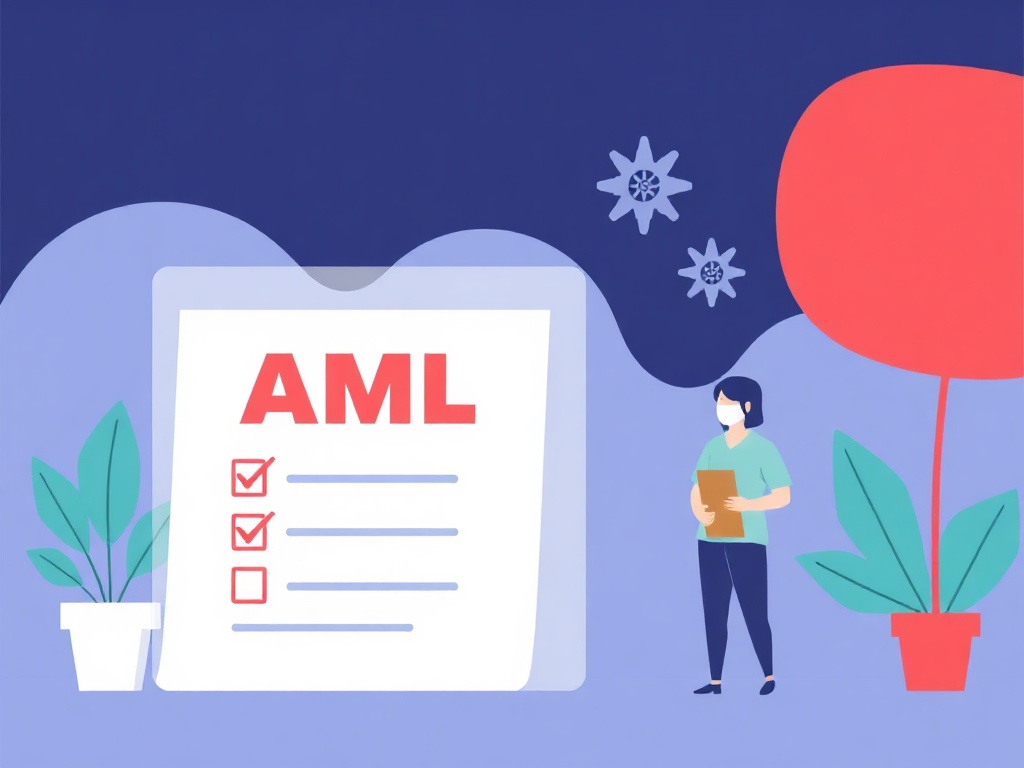
Anti-Money Laundering (AML) regulations are designed to prevent criminals from disguising illicit funds as legitimate income. In the context of forex trading, AML checks serve as a critical line of defense against financial crime. These checks involve verifying the identity of clients, monitoring transactions for suspicious activity, and reporting any anomalies to regulatory authorities.
Core Components of an AML Check
A robust AML check for forex brokers typically includes the following elements:
- Customer Due Diligence (CDD):
- Identity Verification: Collecting government-issued IDs, passports, or other official documents to confirm the trader's identity.
- Address Verification: Requiring utility bills, bank statements, or other documents to verify the trader's residential address.
- Enhanced Due Diligence (EDD): Conducting additional checks for high-risk clients, such as politically exposed persons (PEPs) or those from high-risk jurisdictions.
- Transaction Monitoring:
- Suspicious Activity Reporting (SAR): Flagging transactions that deviate from a client's typical behavior, such as unusually large deposits or rapid fund movements.
- Automated Screening: Using AI and machine learning tools to detect patterns indicative of money laundering or fraud.
- Record Keeping: Maintaining detailed records of all transactions and customer information for a minimum of five years, as required by AML regulations.
- Ongoing Compliance Training: Ensuring that staff are trained to recognize and report suspicious activities effectively.
Why AML Checks Are Crucial for Unlicensed Forex Brokers
While licensed brokers are legally obligated to implement AML checks, unlicensed brokers often bypass these requirements, making them prime candidates for financial crime. By conducting an AML check on an unlicensed forex broker, traders and financial institutions can:
- Identify Red Flags: Detect inconsistencies in documentation, such as forged IDs or mismatched addresses.
- Assess Reputation: Evaluate the broker's history through independent reviews, regulatory warnings, and financial reports.
- Prevent Fraud: Avoid falling victim to Ponzi schemes, fake investment opportunities, or unauthorized fund withdrawals.
- Enhance Security: Protect personal and financial data from cyber threats and identity theft.
In essence, an AML check acts as a safeguard, ensuring that traders and institutions do not inadvertently facilitate financial crime by associating with unlicensed entities.
How to Conduct an AML Check on an Unlicensed Forex Broker
Performing an AML check on an unlicensed forex broker requires a systematic approach. Below is a step-by-step guide to help traders and financial institutions assess the legitimacy and risk profile of such brokers.
Step 1: Verify Licensing and Regulatory Status
While unlicensed brokers operate outside regulatory frameworks, it is still possible to check their claimed affiliations or past licenses:
- Regulatory Databases: Consult official databases maintained by financial authorities (e.g., FCA, CFTC, ASIC) to verify if the broker has ever been licensed or is currently under investigation.
- Brokerage Websites: Review the broker's website for claims of regulation. Cross-reference these claims with the regulatory body's records.
- Third-Party Verification: Use independent platforms like the Forex Peace Army or Trustpilot to check for regulatory complaints or fraud allegations.
Step 2: Assess Customer Reviews and Reputation
Online reviews and testimonials can provide valuable insights into a broker's reputation. However, traders should exercise caution:
- Analyze Review Patterns: Look for consistent complaints about fund withdrawals, hidden fees, or unresponsive customer support.
- Check Independent Forums: Platforms like Reddit, ForexFactory, or specialized forex forums often host discussions about unlicensed brokers.
- Beware of Fake Reviews: Some brokers may fabricate positive reviews or suppress negative ones. Use multiple sources to corroborate information.
Step 3: Evaluate Transparency and Documentation
Legitimate brokers prioritize transparency, while unlicensed brokers often obscure key details:
- Terms and Conditions: Review the broker's terms for hidden clauses, excessive withdrawal fees, or unclear trading conditions.
- Contact Information: Verify the broker's physical address, phone number, and email. Use tools like Google Maps to confirm the address's legitimacy.
- Financial Statements: Request audited financial statements or proof of segregated client funds. Unlicensed brokers rarely provide such documentation.
Step 4: Conduct Background Checks on Key Personnel
Unlicensed brokers may have a history of involvement in financial crime. Conducting background checks on the broker's owners, directors, and key employees can reveal red flags:
- Public Records: Search for past legal issues, bankruptcies, or regulatory sanctions using databases like LexisNexis or Bloomberg.
- LinkedIn and Social Media: Review professional profiles to assess the team's experience and credibility.
- News Archives: Search for news articles or press releases mentioning the broker or its personnel.
Step 5: Use AML Screening Tools
Several AML screening tools and services can automate the verification process:
- Identity Verification Services: Platforms like Jumio, Onfido, or Trulioo provide real-time ID verification and AML screening.
- Sanctions Lists: Check if the broker or its personnel appear on sanctions lists maintained by the OFAC (Office of Foreign Assets Control) or other authorities.
- PEP Screening: Identify if any associated individuals are politically exposed persons (PEPs), who pose a higher risk for corruption.
Step 6: Monitor Transaction Patterns
Even after onboarding, continuous monitoring is essential to detect suspicious activity:
- Unusual Transaction Volumes: Large or frequent transactions without a clear economic rationale may indicate money laundering.
- Geographic Disparities: Transactions involving high-risk jurisdictions or inconsistent IP addresses can signal fraud.
- Rapid Fund Movements: Sudden withdrawals or transfers to unrelated accounts warrant further investigation.
By following these steps, traders and financial institutions can significantly reduce the risks associated with unlicensed forex brokers and ensure compliance with AML regulations.
Legal and Regulatory Framework Surrounding AML Checks
The global fight against money laundering is governed by a complex web of laws and regulations. Understanding these frameworks is essential for conducting effective AML checks and ensuring compliance. Below is an overview of the key regulations and their implications for forex brokers.
Key AML Regulations Affecting Forex Brokers
The following regulations set the standard for AML compliance in the financial sector:
- Bank Secrecy Act (BSA) - United States: Requires financial institutions, including forex brokers, to implement AML programs, report suspicious activities, and maintain records.
- USA PATRIOT Act: Enhances the BSA by imposing stricter due diligence requirements and expanding the scope of suspicious activity reporting.
- EU Anti-Money Laundering Directives (AMLD): The EU's AMLD mandates that forex brokers conduct customer due diligence, monitor transactions, and report suspicious activities to Financial Intelligence Units (FIUs).
- Financial Action Task Force (FATF) Recommendations: FATF sets international standards for AML compliance, including risk-based approaches and ongoing monitoring.
- MiFID II (Markets in Financial Instruments Directive): While primarily a regulatory framework for investment services, MiFID II includes AML provisions that apply to forex brokers operating in the EU.
Penalties for Non-Compliance with AML Regulations
Failure to comply with AML regulations can result in severe consequences for forex brokers, both licensed and unlicensed:
- Monetary Fines: Regulatory authorities can impose hefty fines on brokers found to be non-compliant. For example, in 2020, the FCA fined Commerzbank London £37.8 million for AML failures.
- License Revocation: Licensed brokers that violate AML regulations risk losing their operating licenses, effectively shutting down their business.
- Criminal Charges: In cases of willful negligence or involvement in financial crime, brokers and their executives may face criminal prosecution, leading to imprisonment.
- Reputational Damage: Non-compliance can erode trust among clients and partners, leading to a loss of business and market share.
- Sanctions and Restrictions: Brokers may be barred from operating in certain jurisdictions or collaborating with financial institutions.
AML Compliance for Unlicensed Forex Brokers: A Paradox
Unlicensed forex brokers, by definition, operate outside the regulatory framework and are not subject to AML laws. However, this does not absolve them of responsibility. Traders and financial institutions that engage with unlicensed brokers must still conduct AML checks to avoid facilitating financial crime. Additionally, some jurisdictions impose know-your-customer (KYC) and AML requirements on all financial service providers, regardless of licensing status.
For example, in the European Union, the Sixth Anti-Money Laundering Directive (6AMLD) extends AML obligations to all entities involved in financial transactions, including unlicensed brokers. Failure to comply with these requirements can result in legal repercussions for the parties involved in the transaction.
Best Practices for Traders and Financial Institutions
To protect themselves from the risks posed by unlicensed forex brokers, traders and financial institutions should adopt a proactive approach to AML compliance. Below are best practices to ensure security and regulatory adherence.
For Individual Traders
Individual traders can take several steps to safeguard their investments and personal data:
- Choose Licensed Brokers: Always opt for brokers regulated by reputable authorities like the FCA, CFTC, or ASIC. These brokers are legally required to implement AML checks and protect client funds.
- Conduct Independent Research: Before depositing funds, research the broker's reputation, regulatory status, and customer reviews. Use tools like the FCA Register or CFTC's List of Regulated Entities.
- Use Secure Payment Methods: Avoid brokers that only accept cryptocurrencies or obscure payment processors. Stick to regulated payment gateways like bank transfers or credit cards.
- Enable Two-Factor Authentication (2FA): Protect your trading account with 2FA to prevent unauthorized access.
- Monitor Account Activity: Regularly review your transaction history for any unauthorized or suspicious activities.
- Report Suspicious Activity: If you suspect fraud or money laundering, report it to the relevant authorities, such as the Financial Crimes Enforcement Network (FinCEN) in the U.S. or the National Crime Agency (NCA) in the U.K.
For Financial Institutions and Payment Processors
Financial institutions and payment processors play a crucial role in preventing financial crime. They should implement robust AML measures to detect and deter illicit activities:
- Implement Automated AML Screening: Use AI-driven tools to screen clients and transactions in real-time, flagging suspicious activities for further investigation.
- Enhance Customer Due Diligence (CDD): Go beyond basic identity verification by conducting enhanced due diligence for high-risk clients and transactions.
- Collaborate with Regulatory Authorities: Share information and best practices with financial intelligence units (FIUs) to combat cross-border financial crime.
- Train Staff on AML Compliance: Ensure that employees are well-versed in AML regulations and trained to recognize red flags.
- Monitor Third-Party Risks: Assess the AML compliance of partners, affiliates, and payment processors to prevent indirect exposure to financial crime.
- Adopt a Risk-Based Approach: Tailor AML measures based on the level of risk posed by each client or transaction. High-risk clients should undergo more stringent checks.
For Regulators and Industry Associations
Regulators and industry associations have a responsibility to create a safer forex trading environment by enforcing AML standards and educating market participants:
- Strengthen AML Regulations:
 James RichardsonSenior Crypto Market Analyst
AML Check for Unlicensed Forex Brokers: A Critical Risk for Traders and Institutions
As a Senior Crypto Market Analyst with over a decade of experience in digital asset markets and regulatory risk assessment, I’ve observed firsthand how unlicensed forex brokers—particularly those operating in the shadows of decentralized finance—pose systemic threats to both retail and institutional traders. The absence of proper Anti-Money Laundering (AML) checks at these entities isn’t just a compliance gap; it’s a gateway for illicit financial flows, market manipulation, and catastrophic counterparty risk. Many of these brokers, often masquerading as "crypto-friendly" platforms, exploit jurisdictional arbitrage, offering leveraged trading without the safeguards mandated by regulators like the CFTC, FCA, or MiFID II. For institutions, engaging with such entities isn’t merely reckless—it’s a breach of fiduciary duty. The 2022 collapse of FTX, where AML failures and unlicensed operations were central to its downfall, serves as a stark reminder: unchecked forex brokers are ticking time bombs.
From a practical standpoint, conducting an AML check unlicensed forex broker requires more than a cursory review of their website or social media claims. Traders must demand verifiable proof of licensing from reputable authorities, scrutinize their transaction monitoring systems, and assess their history of regulatory enforcement actions. Tools like blockchain forensics (e.g., Chainalysis or TRM Labs) can reveal whether a broker’s wallets are linked to known illicit entities, while public databases like the SEC’s or FINRA’s can expose past sanctions. Even in decentralized environments, brokers claiming to operate "offshore" or "peer-to-peer" must be treated with extreme skepticism—these models often lack the transparency required to prevent money laundering. The lesson is clear: in an era where regulatory arbitrage is rampant, due diligence isn’t optional—it’s the only defense against financial ruin.