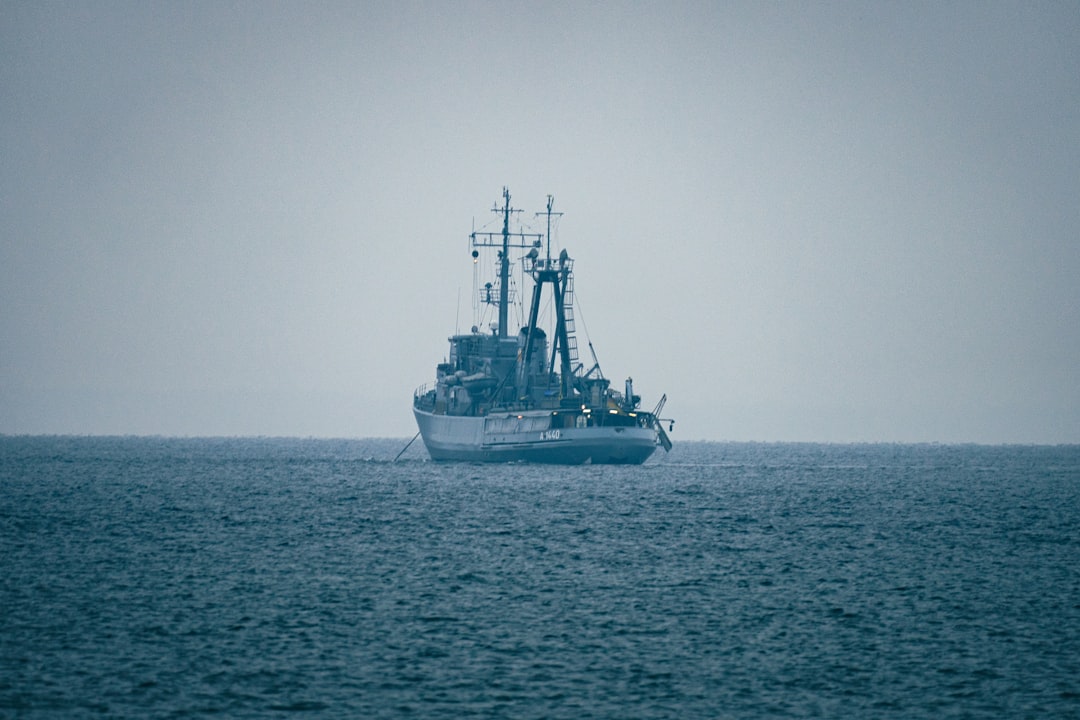
In today’s globalized economy, maritime trade remains the backbone of international commerce, with over 80% of goods transported by sea. However, the vast scale of shipping operations also presents significant challenges in combating financial crimes such as money laundering, sanctions evasion, and terrorist financing. AML check ship tracking has emerged as a critical tool for regulatory compliance, risk mitigation, and operational transparency in the maritime industry. This guide explores the intricacies of AML check ship tracking, its regulatory framework, technological advancements, and best practices for businesses to ensure adherence to anti-money laundering (AML) laws.
As governments worldwide tighten AML regulations, shipping companies, freight forwarders, and port authorities must implement robust AML check ship tracking systems to avoid hefty fines, reputational damage, and legal consequences. This article delves into the key components of AML compliance in maritime logistics, the role of ship tracking in detecting suspicious activities, and how organizations can leverage technology to streamline their AML check ship tracking processes.
---What Is AML Check Ship Tracking?
The Role of AML in Maritime Trade
Anti-Money Laundering (AML) refers to a set of laws, regulations, and procedures designed to prevent criminals from disguising illegally obtained funds as legitimate income. In the maritime industry, AML compliance is particularly challenging due to the complexity of global supply chains, the involvement of multiple stakeholders, and the use of shell companies to obscure beneficial ownership.
Money laundering in shipping often occurs through trade-based money laundering, where illicit funds are integrated into legitimate trade transactions. For example, a criminal organization might overstate the value of goods in an invoice to move money across borders undetected. AML check ship tracking helps identify such anomalies by monitoring vessel movements, cargo details, and financial transactions associated with maritime trade.
How Ship Tracking Fits Into AML Compliance
AML check ship tracking involves the systematic monitoring of vessels using technologies such as Automatic Identification System (AIS), satellite tracking, and blockchain-based ledgers. These tools provide real-time or near-real-time data on a ship’s location, route, speed, and cargo, enabling compliance teams to detect suspicious behaviors such as:
- Unauthorized route deviations: Vessels suddenly changing course to avoid high-risk ports or jurisdictions.
- Frequent port calls: Ships making multiple stops in countries with weak AML regulations.
- Cargo misdeclaration: Discrepancies between declared and actual cargo to facilitate illicit trade.
- Shell company involvement: Vessels owned or operated by entities with no clear beneficial ownership.
By integrating AML check ship tracking with financial transaction monitoring, companies can create a holistic view of their maritime operations, reducing the risk of non-compliance with AML laws such as the Bank Secrecy Act (BSA) in the U.S., the EU’s 6th Anti-Money Laundering Directive (6AMLD), and the Financial Action Task Force (FATF) Recommendations.
---The Regulatory Landscape for AML Check Ship Tracking
Key AML Regulations Affecting Maritime Trade
The maritime industry is subject to a patchwork of international, regional, and national AML regulations. Some of the most influential frameworks include:
- FATF Recommendations: The Financial Action Task Force sets global standards for AML and counter-terrorist financing (CTF), including guidance on trade-based money laundering in shipping.
- EU’s 6th Anti-Money Laundering Directive (6AMLD): Expands AML obligations to include stricter due diligence requirements for entities involved in maritime trade.
- U.S. Bank Secrecy Act (BSA) and USA PATRIOT Act: Mandates financial institutions and maritime businesses to report suspicious activities related to vessel transactions.
- UN Sanctions Regimes: Prohibits trade with vessels flagged in sanctioned countries or owned by entities on sanctions lists.
- International Maritime Organization (IMO) Guidelines: Encourages member states to adopt AML measures in port security and vessel operations.
Penalties for Non-Compliance in AML Check Ship Tracking
Failure to comply with AML regulations can result in severe consequences, including:
- Monetary fines: Regulatory bodies such as the U.S. Office of Foreign Assets Control (OFAC) and the EU’s Financial Intelligence Units (FIUs) impose fines ranging from hundreds of thousands to billions of dollars for violations.
- Reputational damage: Publicly disclosed AML violations can erode customer trust and investor confidence.
- Operational disruptions: Port authorities may detain vessels suspected of AML violations, leading to costly delays.
- Criminal liability: In extreme cases, company executives and compliance officers may face imprisonment for willful negligence.
For instance, in 2020, the U.S. Department of Justice fined a major shipping company $1.1 billion for violating sanctions and AML laws by facilitating trade with Iran. This case underscores the importance of robust AML check ship tracking systems in preventing financial crimes.
The Role of Port State Control in AML Enforcement
Port State Control (PSC) authorities play a crucial role in enforcing AML regulations by inspecting vessels for compliance with international standards. Under regimes such as the Paris MoU (Europe), Tokyo MoU (Asia), and USCG Port State Control (U.S.), ships may be detained if they lack proper documentation, fail AML screenings, or are linked to high-risk jurisdictions.
To avoid detentions, shipping companies must ensure their AML check ship tracking systems provide accurate and up-to-date information on vessel ownership, cargo, and crew. Failure to do so can result in:
- Extended port stays and demurrage charges.
- Additional inspections and audits by PSC authorities.
- Blacklisting of vessels or companies in international databases.
Technologies Powering AML Check Ship Tracking
Automatic Identification System (AIS) and Real-Time Tracking
The Automatic Identification System (AIS) is a mandatory tracking system for commercial vessels over 300 gross tons. AIS transponders broadcast a ship’s identity, position, course, and speed every few seconds, enabling authorities and companies to monitor vessel movements in real time.
In the context of AML check ship tracking, AIS data can be analyzed to detect anomalies such as:
- Spoofing or manipulation: Vessels disabling AIS to hide their location (a common tactic in illicit trade).
- Inconsistent voyage patterns: Ships frequently changing names, flags, or ownership to evade detection.
- High-risk route deviations: Vessels entering embargoed waters or regions with known sanctions violations.
However, AIS alone is not foolproof. Criminals can manipulate AIS signals using GPS spoofing or signal jamming techniques. To mitigate this risk, companies must supplement AIS data with additional tracking technologies.
Satellite Tracking and IoT for Enhanced Monitoring
Satellite-based tracking systems, such as Inmarsat, Iridium, and Globalstar, provide global coverage and are less susceptible to signal manipulation. These systems are particularly useful for vessels operating in remote areas where terrestrial AIS networks are unavailable.
Additionally, the Internet of Things (IoT) is revolutionizing AML check ship tracking by enabling the integration of sensors and smart devices on vessels. IoT solutions can monitor:
- Cargo integrity: Sensors detect tampering or unauthorized access to containers.
- Fuel and engine data: Anomalies in fuel consumption may indicate smuggling activities.
- Crew behavior: Unusual patterns in crew communications or movements can signal illicit activities.
By combining AIS, satellite tracking, and IoT, companies can create a multi-layered AML check ship tracking system that minimizes blind spots and enhances compliance.
Blockchain and Smart Contracts for Transparent Trade
Blockchain technology is gaining traction in maritime trade for its ability to provide immutable, tamper-proof records of transactions and vessel movements. Smart contracts—self-executing agreements coded on a blockchain—can automate compliance checks, such as:
- Automated sanctions screening: Smart contracts verify vessel ownership and cargo against sanctions lists before allowing transactions.
- Real-time AML reporting: Transactions are recorded on a blockchain, ensuring transparency and auditability.
- Beneficial ownership verification: Blockchain-based registries help identify the true owners of vessels, reducing the risk of shell company involvement.
Companies like TradeLens (a blockchain-based shipping platform) and Marine Transport International are pioneering the use of blockchain for AML compliance in maritime trade. By adopting these technologies, businesses can enhance the accuracy and efficiency of their AML check ship tracking processes.
AI and Machine Learning for Anomaly Detection
Artificial Intelligence (AI) and machine learning (ML) are transforming AML check ship tracking by enabling the analysis of vast datasets to identify suspicious patterns. AI-powered systems can:
- Detect trade-based money laundering: ML algorithms analyze invoice discrepancies, shipping routes, and financial transactions to flag potential AML violations.
- Predict high-risk vessels: AI models assess historical data to identify vessels with a higher likelihood of being involved in illicit activities.
- Automate due diligence: Natural Language Processing (NLP) tools scan news articles, sanctions lists, and regulatory filings to update risk profiles in real time.
For example, Windward, a maritime AI company, uses ML to analyze AIS data and predict which vessels are likely to engage in sanctions evasion or money laundering. Such tools are invaluable for companies seeking to strengthen their AML check ship tracking frameworks.
---Best Practices for Implementing AML Check Ship Tracking
Step 1: Conduct a Risk Assessment
Before implementing an AML check ship tracking system, companies must conduct a thorough risk assessment to identify high-risk areas in their operations. Key factors to consider include:
- Geographic risk: Trade routes involving countries with weak AML regulations or high corruption indices.
- Customer risk: Business relationships with shell companies, politically exposed persons (PEPs), or entities on sanctions lists.
- Product risk: High-value or easily concealable goods (e.g., precious metals, electronics, or chemicals) that are prone to trade-based money laundering.
- Vessel risk: Ships with a history of non-compliance, frequent ownership changes, or links to high-risk jurisdictions.
Based on the risk assessment, companies should prioritize their AML check ship tracking efforts, focusing on the most vulnerable areas of their operations.
Step 2: Implement a Multi-Source Data Collection System
A robust AML check ship tracking system relies on data from multiple sources to ensure accuracy and reduce false positives. Essential data points include:
- AIS and satellite tracking data: Real-time vessel positions, routes, and speed.
- Cargo manifests: Detailed descriptions of goods being transported, including weight, volume, and declared value.
- Financial transactions: Payment records, invoices, and letters of credit linked to vessel movements.
- Ownership and crew data: Information on vessel owners, operators, and crew members, including beneficial ownership details.
- Sanctions and PEP lists: Regular updates from regulatory bodies such as OFAC, EU, and UN sanctions lists.
- Port call records: Historical data on vessel arrivals, departures, and inspections at various ports.
By integrating these data sources into a centralized platform, companies can create a comprehensive view of their maritime operations and enhance their AML check ship tracking capabilities.
Step 3: Automate Compliance Checks with AI and RPA
Manual AML compliance processes are time-consuming, error-prone, and inefficient. To streamline operations, companies should leverage automation technologies such as:
- Robotic Process Automation (RPA): Automates repetitive tasks such as data entry, sanctions screening, and report generation.
- AI-driven anomaly detection: Machine learning models analyze vessel movements, financial transactions, and cargo data to flag suspicious activities.
- Natural Language Processing (NLP): Scans news articles, regulatory filings, and social media for mentions of high-risk vessels or entities.
For example, SAS Anti-Money Laundering and FICO TONB are AI-powered solutions that automate AML checks for maritime businesses. By reducing manual intervention, these tools improve the speed and accuracy of AML check ship tracking.
Step 4: Establish a Suspicious Activity Reporting (SAR) Process
Under AML regulations, companies are required to report suspicious activities to relevant authorities. A well-defined AML check ship tracking system should include a clear process for:
- Identifying red flags: Unusual vessel movements, cargo discrepancies, or financial transactions that deviate from normal patterns.
- Documenting evidence: Collecting and preserving data (e.g., AIS logs, cargo manifests, financial records) to support suspicious activity reports (SARs).
- Submitting SARs: Filing reports with financial intelligence units (FIUs) such as FinCEN (U.S.), NCA (UK), or FIU-Netherlands.
- Conducting internal investigations: Collaborating with legal and compliance teams to determine the appropriate course of action.
Companies should also train employees on recognizing AML red flags and the importance of timely reporting to ensure compliance with AML check ship tracking requirements.
Step 5: Conduct Regular Audits and Training
AML compliance is an ongoing process that requires continuous monitoring and improvement. Best practices for maintaining an effective AML check ship tracking system include:
- Internal audits: Regularly reviewing AML processes, data accuracy, and reporting mechanisms to identify gaps.
- Third-party assessments: Engaging external consultants to evaluate the effectiveness of AML check ship tracking systems.
- Employee training: Providing ongoing education on AML regulations, emerging threats, and the use of tracking technologies.
- Scenario-based testing: Simulating high-risk scenarios (e.g., sanctions evasion, trade-based money laundering) to test the responsiveness of AML systems.
By fostering a culture of compliance and vigilance, companies can ensure their AML check ship tracking systems remain effective in an evolving regulatory landscape.
---Challenges and Future Trends in AML Check Ship Tracking
Common Challenges in AML Check Ship Tracking
Despite advancements in technology, implementing an effective AML check ship tracking system presents several challenges:
- Data silos: Fragmented data across multiple systems (e.g., AIS, cargo manifests, financial records) can hinder comprehensive monitoring.
- Data quality issues: Inaccurate or incomplete AIS data, misdeclared cargo, and outdated ownership records can lead to false negatives.
- Regulatory complexity: The global nature of maritime trade means compliance with multiple AML frameworks, each with its own requirements.
- Evolving tactics of criminals: Money launderers and sanctions evaders continuously adapt their methods, requiring companies to stay ahead of emerging threats.
- Cost and scalability: Implementing advanced tracking technologies (e.g., blockchain, AI) can be expensive, particularly for small and medium-sized shipping companies.
The Future of AML Check Ship Tracking: Emerging Trends
The maritime industry is on the cusp of a technological revolution that will further enhance AML check ship tracking. Key trends to watch include:

AML Check Ship Tracking: A Critical Layer for Maritime Crypto Compliance
As a Senior Crypto Market Analyst with over a decade of experience in digital asset surveillance, I’ve observed that the intersection of maritime logistics and cryptocurrency transactions presents unique AML challenges. Traditional AML frameworks are well-equipped to monitor on-chain activity, but ship tracking introduces an additional layer of complexity—physical asset movement tied to digital payments. An AML check ship tracking system bridges this gap by correlating vessel data with blockchain transactions, enabling institutions to verify the legitimacy of cross-border crypto flows linked to shipping routes. This is particularly vital for commodities like oil, minerals, or high-value goods, where illicit actors may exploit anonymity in both shipping and payment channels.
From a practical standpoint, integrating AML check ship tracking into compliance workflows requires real-time data aggregation from multiple sources: AIS (Automatic Identification System) feeds, port authority records, and blockchain forensics. Institutions must prioritize solutions that offer granular vessel-level monitoring, such as tracking deviations from declared routes or mismatches between cargo manifests and blockchain transaction histories. For example, a sudden route change to a high-risk jurisdiction without corresponding trade documentation could signal potential money laundering. While no system is foolproof, combining AI-driven anomaly detection with human oversight can significantly reduce exposure to illicit maritime crypto transactions. The key takeaway? Compliance isn’t just about the blockchain—it’s about the entire supply chain.