In an era where financial transparency and regulatory compliance are paramount, Anti-Money Laundering (AML) checks for political donations have become a critical component of electoral integrity and governance. Political contributions, while essential for democratic processes, can inadvertently become conduits for illicit financial activities, including money laundering and corruption. To mitigate these risks, governments, regulatory bodies, and financial institutions implement rigorous AML checks to scrutinize political donations. This article explores the importance, mechanisms, challenges, and best practices of AML checks in the context of political financing.
The Importance of AML Checks in Political Donations
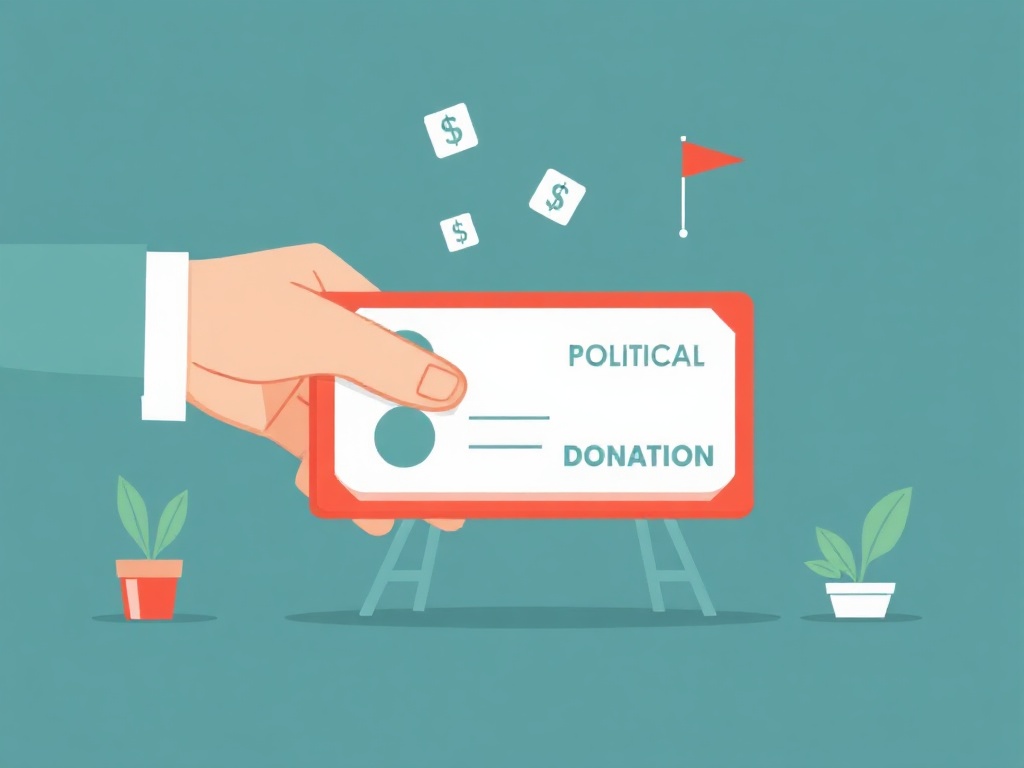
Political donations are a lifeline for democratic systems, enabling candidates and parties to communicate their messages, mobilize supporters, and compete in elections. However, the anonymity and complexity of financial transactions can make political funding vulnerable to exploitation by criminal elements seeking to influence political outcomes or launder illicit funds. AML checks for political donations serve as a safeguard against such risks, ensuring that contributions are legitimate, transparent, and compliant with legal frameworks.
Preventing Money Laundering and Corruption
Money laundering involves disguising the origins of illegally obtained funds to make them appear legitimate. Political donations can be used to "clean" illicit money by channeling it through campaign contributions. For example, a corrupt individual or entity might funnel money through multiple straw donors to obscure its true source. AML checks for political donations help detect and prevent such schemes by requiring thorough due diligence on donors, transaction monitoring, and reporting suspicious activities.
Corruption often thrives in environments where financial transactions lack transparency. By implementing AML checks, regulatory authorities can identify irregularities, such as unusually large donations from unknown sources or contributions linked to sanctioned entities. This not only protects the integrity of the political process but also upholds public trust in democratic institutions.
Ensuring Compliance with Legal Frameworks
Many countries have enacted stringent regulations to govern political financing, including caps on donations, disclosure requirements, and prohibitions on foreign contributions. For instance, the Bipartisan Campaign Reform Act (BCRA) in the United States and the Political Parties, Elections and Referendums Act (PPERA) in the United Kingdom impose strict rules on political donations. AML checks for political donations ensure that these legal requirements are met, reducing the likelihood of legal violations and penalties.
Failure to comply with AML regulations can result in severe consequences, including hefty fines, reputational damage, and even criminal charges for organizations and individuals involved in political financing. Therefore, robust AML checks are not just a best practice but a legal necessity.
Protecting Democratic Integrity
Democracy relies on the principle of equal representation, where every citizen has an equal opportunity to participate in the political process. When political donations are used to gain undue influence, it undermines this principle and distorts democratic outcomes. AML checks for political donations help level the playing field by ensuring that contributions are made transparently and without coercion or manipulation.
Moreover, these checks foster public confidence in the electoral system. When citizens believe that political financing is clean and fair, they are more likely to engage in the democratic process, whether as voters, donors, or candidates.
How AML Checks for Political Donations Work
AML checks for political donations involve a multi-layered approach that combines regulatory oversight, financial scrutiny, and technological solutions. The process typically includes donor identification, transaction monitoring, risk assessment, and reporting mechanisms. Below is a detailed breakdown of how these checks are implemented.
1. Donor Identification and Due Diligence
The first step in AML checks is the identification and verification of donors. This process, known as Know Your Customer (KYC), requires political campaigns and parties to collect and verify information about individuals or entities making contributions. Key elements of donor identification include:
- Personal Information: Full name, address, date of birth, and government-issued identification (e.g., passport, driver’s license).
- Source of Funds: Donors may be required to disclose how they obtained the funds used for the contribution, particularly for large donations.
- Political Affiliation: In some jurisdictions, donors may need to declare their political leanings or affiliations to ensure transparency.
- Beneficial Ownership: For corporate or organizational donors, AML checks may require identifying the ultimate beneficial owners to prevent shell companies from being used to obscure the true source of funds.
Failure to provide accurate information or discrepancies in donor details can trigger further investigation or rejection of the contribution.
2. Transaction Monitoring and Screening
Once a donation is received, it undergoes transaction monitoring to detect suspicious patterns or anomalies. This involves:
- Amount Thresholds: Many jurisdictions impose limits on individual and corporate donations. Contributions exceeding these thresholds must be reported and may require additional scrutiny.
- Unusual Patterns: AML systems flag transactions that deviate from typical donation behaviors, such as multiple small donations from the same source or contributions made in cash.
- Cross-Border Transactions: Donations from foreign entities or individuals may be subject to enhanced due diligence, as they pose a higher risk of money laundering or foreign interference.
- Linked Entities: AML checks may investigate whether a donor is connected to politically exposed persons (PEPs), sanctioned individuals, or entities involved in illicit activities.
Advanced AML software uses artificial intelligence and machine learning to analyze transaction data in real-time, identifying high-risk donations before they are processed.
3. Risk Assessment and Classification
Not all political donations pose the same level of risk. AML checks involve classifying donations based on their potential to facilitate money laundering or corruption. Factors considered in risk assessment include:
- Donor Profile: Individuals or entities with a history of financial misconduct or links to criminal organizations are classified as high-risk.
- Geographic Location: Donations from countries with weak AML regulations or high levels of corruption may be flagged for additional scrutiny.
- Nature of Contribution: Anonymous donations, cash contributions, or those made through intermediaries are inherently riskier and require closer examination.
- Timing and Frequency: Sudden spikes in donations before an election or frequent contributions from the same source may indicate coordinated efforts to circumvent regulations.
Based on the risk classification, political campaigns or regulatory bodies may impose additional controls, such as enhanced due diligence or rejection of the donation.
4. Reporting and Disclosure Requirements
Transparency is a cornerstone of AML checks for political donations. Regulatory frameworks mandate that political campaigns and parties disclose detailed information about their donors and contributions. Common reporting requirements include:
- Public Disclosure: Many jurisdictions require campaigns to publish donor lists, including names, addresses, and contribution amounts, on official websites or government databases.
- Real-Time Reporting: Some countries mandate that large donations be reported within a specific timeframe (e.g., 24-48 hours) to prevent last-minute attempts to influence elections.
- Audit Trails: Political organizations must maintain comprehensive records of all donations, including receipts, bank statements, and communication with donors, to facilitate audits and investigations.
- Whistleblower Protections: To encourage reporting of suspicious activities, some jurisdictions offer protections for whistleblowers who expose violations of AML regulations.
Failure to comply with reporting requirements can result in fines, legal action, or loss of public funding for political parties.
Challenges in Implementing AML Checks for Political Donations
While AML checks are essential for safeguarding political financing, their implementation is fraught with challenges. These obstacles stem from legal ambiguities, technological limitations, and the evolving tactics of those seeking to exploit loopholes. Understanding these challenges is crucial for developing more effective AML strategies.
1. Legal and Regulatory Loopholes
One of the most significant challenges in AML checks for political donations is the presence of legal and regulatory loopholes. These gaps allow individuals and entities to circumvent scrutiny by exploiting ambiguities in the law. Common loopholes include:
- Dark Money: In some countries, non-profit organizations or advocacy groups can accept unlimited donations without disclosing the identities of their donors. These funds, often referred to as "dark money," can be funneled into political campaigns without transparency.
- Foreign Contributions: While many jurisdictions prohibit foreign donations, enforcement is difficult, particularly when funds are routed through intermediaries or shell companies in third countries.
- Anonymous Donations: Some legal frameworks allow for anonymous or "blind trust" donations, where the donor’s identity is not disclosed to the public or regulatory authorities.
- Soft Money: In the United States, "soft money" refers to contributions made to political parties for "party-building" activities rather than direct support of candidates. These funds are subject to fewer restrictions and can be used to indirectly influence elections.
Addressing these loopholes requires legislative reforms, stricter enforcement, and international cooperation to close gaps in AML regulations.
2. Technological and Operational Limitations
While technology plays a vital role in AML checks, it also presents challenges. The sheer volume of political donations, combined with the complexity of financial transactions, can overwhelm traditional monitoring systems. Key technological limitations include:
- Data Overload: Political campaigns and regulatory bodies must process vast amounts of data from multiple sources, including bank transactions, donor databases, and social media. Manual review of this data is time-consuming and prone to errors.
- False Positives: AML software often flags legitimate transactions as suspicious due to overly broad criteria, leading to unnecessary investigations and delays in processing donations.
- Evolving Tactics: Criminals continuously adapt their methods to evade detection, using techniques such as cryptocurrency, shell companies, and complex financial structures to obscure the origins of funds.
- Integration Issues: Many political organizations and financial institutions use disparate systems for tracking donations and monitoring transactions. Integrating these systems to create a unified AML framework can be technically challenging.
To overcome these limitations, organizations must invest in advanced AML software, artificial intelligence, and machine learning tools that can analyze data in real-time and adapt to emerging threats.
3. Political and Public Resistance
Implementing stringent AML checks for political donations often faces resistance from political parties, donors, and even the public. This resistance stems from various concerns:
- Chilling Effect on Donations: Some argue that overly strict AML checks may discourage legitimate donors from contributing to political campaigns, particularly small donors who lack the resources to comply with complex requirements.
- Partisan Disputes: Political parties may resist AML reforms that they perceive as targeting their opponents, leading to partisan gridlock in legislative bodies.
- Privacy Concerns: Donors may object to the public disclosure of their contributions, citing privacy or safety concerns, particularly in regions with political instability or authoritarian regimes.
- Economic Impact: Some businesses and industries that rely on political donations for lobbying or regulatory influence may lobby against AML reforms that restrict their ability to contribute.
Balancing the need for transparency with the rights of donors and the practical realities of political financing requires careful consideration and stakeholder engagement.
4. International Cooperation and Jurisdictional Challenges
Money laundering and illicit political financing are not confined by national borders. Criminals often exploit differences in AML regulations between countries to move funds undetected. Key jurisdictional challenges include:
- Offshore Financial Centers: Some countries or territories offer low levels of financial transparency, making them attractive destinations for laundering political donations.
- Differing AML Standards: Variations in AML regulations across jurisdictions create opportunities for regulatory arbitrage, where donors exploit weaker standards in one country to circumvent stricter rules elsewhere.
- Lack of Information Sharing: International cooperation on AML enforcement is often hindered by legal barriers, such as bank secrecy laws or conflicts between national laws.
- Sanctions Evasion: Political donations may be used to evade international sanctions, particularly in cases where sanctioned individuals or entities route funds through third countries.
Strengthening international cooperation through treaties, mutual legal assistance agreements, and standardized AML frameworks is essential for addressing these challenges.
Best Practices for AML Checks in Political Donations
To enhance the effectiveness of AML checks for political donations, organizations and regulatory bodies should adopt a proactive and comprehensive approach. Below are some best practices to consider:
1. Implementing Robust KYC and Due Diligence Processes
Know Your Customer (KYC) processes are the foundation of AML checks. Political campaigns and parties should:
- Verify Donor Identities: Use government-issued IDs, biometric verification, or third-party databases to confirm the identity of donors.
- Assess Source of Funds: Require donors to provide documentation proving the legitimate origin of their contributions, particularly for large or unusual donations.
- Screen Against Sanctions Lists: Regularly cross-reference donor information with international sanctions lists, PEPs databases, and adverse media reports.
- Monitor Ongoing Relationships: Continuously update donor information and reassess risk levels, particularly for recurring contributors.
Automating KYC processes with AML software can reduce human error and improve efficiency.
2. Leveraging Technology for Real-Time Monitoring
Advanced technology is critical for detecting and preventing money laundering in political donations. Organizations should:
- Deploy AML Software: Use AI-driven AML platforms to monitor transactions in real-time, flag suspicious activities, and generate alerts for further investigation.
- Integrate Data Sources: Combine data from bank transactions, donor databases, social media, and public records to create a holistic view of donation patterns.
- Use Predictive Analytics: Employ machine learning models to identify emerging trends in money laundering and adapt AML strategies accordingly.
- Implement Blockchain for Transparency: In some cases, blockchain technology can provide immutable records of political donations, reducing the risk of tampering or fraud.
Investing in cutting-edge technology ensures that AML checks remain effective in the face of evolving threats.
3. Strengthening Reporting and Disclosure Mechanisms
Transparency is key to deterring illicit political financing. Organizations should:
- Adopt Open Data Initiatives: Publish donor information in machine-readable formats to enable public scrutiny and third-party analysis.
- Implement Real-Time Reporting: Require campaigns to report large donations within hours of receipt to prevent last-minute manipulation.
- Conduct Regular Audits: Independent audits of political financing records can identify discrepancies and ensure compliance with AML regulations.
- Encourage Whistleblower Protections: Establish confidential reporting channels for employees, donors, or third parties to report suspicious activities without fear of retaliation.
Transparent reporting not only deters illicit activities but also enhances public trust in the political process.
4. Collaborating with Regulatory Bodies and Financial Institutions
Effective AML checks require collaboration between political organizations, regulatory authorities, and financial institutions. Best practices include:
- Participate in AML Training: Ensure that campaign staff, financial officers, and compliance teams are trained on AML regulations and best practices.
- Engage with Regulators: Proactively communicate with regulatory bodies to clarify ambiguities in AML requirements and seek guidance on compliance.
- Share Intelligence: Participate in information-sharing initiatives with financial institutions, law enforcement, and other stakeholders to identify and disrupt illicit financial networks.
- Advocate for Legislative Reforms: Support efforts to close legal loopholes, strengthen AML frameworks, and harmonize regulations across jurisdictions.
Collaboration ensures that AML checks are comprehensive, consistent, and adaptive to new threats.
5. Educating Stakeholders and the Public
Raising awareness about the risks of illicit political financing and the importance of AML checks is essential for fostering a culture of compliance. Organizations should:
- Launch Public Awareness Campaigns: Educate voters, donors, and candidates about the role of AML checks in safeguarding democracy and the consequences of non-compliance.
- Provide Training for Donors: Offer guidance to donors on how to comply with AML requirements and the importance of transparency in political financing.
- Engage with Civil Society: Partner with non-governmental organizations, watchdog groups, and academic institutions to promote research and advocacy on AML in political donations.
- Highlight Success Stories: Showcase examples of how AML checks have uncovered and prevented illicit political financing to demonstrate their effectiveness.
Education empowers stakeholders

Strengthening Transparency: The Critical Role of AML Checks in Political Donations
As a Senior Crypto Market Analyst with over a decade of experience in digital asset ecosystems, I’ve observed firsthand how financial transparency—or the lack thereof—can undermine trust in both traditional and emerging markets. The intersection of political financing and anti-money laundering (AML) compliance is particularly fraught with risks, especially as digital currencies gain traction in fundraising. Political donations, whether in fiat or crypto, are vulnerable to illicit flows, making robust AML checks not just advisable but essential. The phrase AML check political donation AML underscores a critical need: ensuring that every contribution, regardless of its form, adheres to stringent AML frameworks to prevent corruption, foreign interference, or the laundering of illicit funds through campaign channels.
From a practical standpoint, implementing AML checks for political donations requires a multi-layered approach. Institutions and platforms facilitating these transactions must deploy real-time transaction monitoring, identity verification, and source-of-funds analysis—tools already standard in traditional finance but often lagging in crypto-native or hybrid donation systems. For example, blockchain’s inherent transparency can be leveraged to trace donation flows, but without proper AML integration, this visibility becomes a double-edged sword, exposing vulnerabilities rather than mitigating them. My work in DeFi risk assessment has shown that proactive collaboration between regulators, financial institutions, and crypto platforms is non-negotiable. The goal isn’t just to check boxes for compliance; it’s to foster a system where political donations are as secure and accountable as any other high-stakes financial transaction. Ignoring this imperative risks not only reputational damage but also the erosion of public confidence in democratic processes.