In the evolving landscape of anti-money laundering (AML) compliance, few regulatory instruments have sparked as much operational scrutiny as the AML check FinCEN geographic targeting order. Issued by the Financial Crimes Enforcement Network (FinCEN), these orders are designed to combat money laundering risks in specific high‑risk geographic areas by mandating enhanced due diligence for covered financial institutions. For AML professionals, understanding the scope, implications, and practical application of this order is not merely a regulatory checkbox—it is a critical component of a robust compliance framework.
The AML check FinCEN geographic targeting order serves as a targeted mechanism to interrupt illicit financial flows before they can integrate into the broader legitimate economy. Unlike broad AML statutes that apply universally, a geographic targeting order (GTO) zeroes in on particular jurisdictions, transaction types, or even specific banking products that FinCEN has identified as susceptible to abuse. This precision allows compliance teams to allocate resources more efficiently while maintaining a heightened state of vigilance where the risk is greatest.
What Is the FinCEN Geographic Targeting Order?
FinCEN first introduced geographic targeting orders in the early 2000s as a response to emerging money laundering patterns that traditional AML programs struggled to detect. The authority to issue these orders stems from the Bank Secrecy Act (BSA), which grants FinCEN the power to require reports on cash purchases of negotiable instruments in specific locations. Over the years, the scope of GTOs has expanded to include not just currency exchanges but also real estate transactions, luxury goods dealers, and certain money services businesses operating within designated zones.
Purpose and Scope
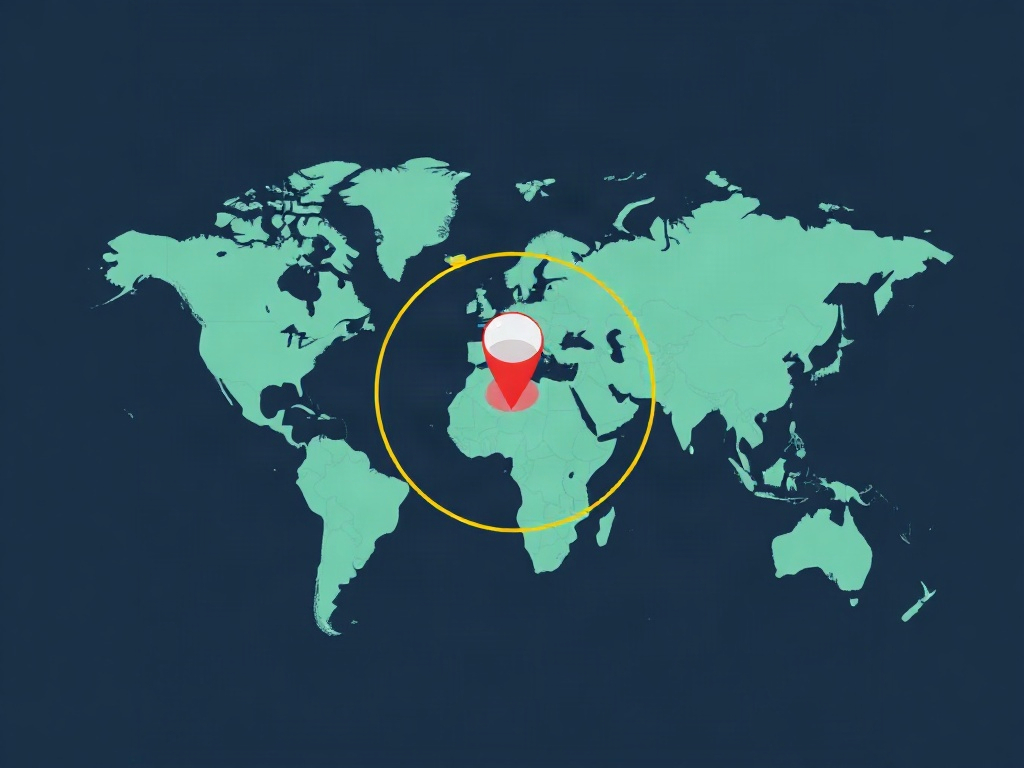
The primary purpose of any AML check FinCEN geographic targeting order is to capture and report suspicious or large‑currency transactions that might otherwise evade standard monitoring. By focusing on geographic hotspots—often border cities, ports, or regions with weak regulatory oversight—FinCEN can gather intelligence on evolving laundering techniques and disseminate that information to law enforcement agencies worldwide. The scope of a typical GTO includes:
- Geographic boundaries defined by zip codes, city limits, or metropolitan areas.
- Specific transaction thresholds, commonly cash purchases of monetary instruments exceeding $3,000.
- Covered entities such as banks, credit unions, money transmitters, and in some cases, high‑value dealers in real estate or jewelry.
- Time‑limited applicability, typically ranging from several months to a few years, after which FinCEN evaluates whether renewal or modification is warranted.
Geographic Specificity and Triggers
What sets the AML check FinCEN geographic targeting order apart from general AML rules is its granular geographic precision. FinCEN typically designates areas based on empirical data, including Suspicious Activity Report (SAR) filings, law enforcement seizures, and industry intelligence. Triggers for enhanced monitoring under a GTO may include:
- An unusual spike in cash‑intensive transactions within the target zone.
- Patterns consistent with structuring, where multiple smaller deposits are used to avoid reporting thresholds.
- Linkages to known transnational criminal organizations operating in or through the region.
Understanding these triggers enables AML analysts to prioritize alerts and conduct deeper investigations without overwhelming their teams with false positives.
The Mechanics of the AML Check within the GTO Framework
When a financial institution operates within or has exposure to a geographic targeting zone, the AML check FinCEN geographic targeting order mandates a series of procedural steps. These steps are designed to supplement, not replace, the institution’s existing AML program. The core objective is to ensure that every qualifying transaction receives a level of scrutiny proportional to the identified risk.
Step‑by‑Step Transaction Monitoring
Upon detection of a transaction flagged by the GTO parameters, the following workflow typically unfolds:
- Automated Screening: Transaction monitoring systems are configured with GTO‑specific rules that trigger additional flags when a transaction meets geographic and amount criteria.
- Customer Due Diligence (CDD): Enhanced CDD is initiated, requiring the collection of additional identification documents, source‑of‑funds information, and a detailed explanation of the transaction’s purpose.
- Risk Scoring: The transaction is assigned a risk score that incorporates GTO factors, geographic red flags, and the customer’s historical behavior.
- Analyst Review: A qualified AML analyst reviews the flagged transaction, assesses the supporting documentation, and determines whether a Suspicious Activity Report (SAR) is warranted.
- Reporting: If suspicious activity is confirmed, the institution files a SAR referencing the GTO context, ensuring that FinCEN’s intelligence database captures the pattern.
Data Points and Red Flags
AML professionals must be attuned to specific data points that frequently appear under a geographic targeting order. These include, but are not limited to:
- Repeated cash deposits just below the $10,000 Currency Transaction Report (CTR) threshold.
- Use of third‑party intermediaries or structuring agents to obscure the true origin of funds.
- Transactions involving jurisdictions known for weak AML regimes or high levels of corruption.
- Rapid movement of funds across multiple accounts or institutions within the target area.
By recognizing these patterns early, compliance teams can disrupt laundering schemes at their inception and provide valuable data to law enforcement partners.
Compliance Requirements for Financial Institutions
Implementing the AML check FinCEN geographic targeting order requires a coordinated effort across multiple departments within a financial institution. It is not sufficient to simply update a software rule set; the organization must ensure that policies, personnel, and procedures are aligned with the order’s specific mandates.
Policy Updates and Governance
The compliance officer or AML steering committee must formally incorporate the GTO into the institution’s AML policy manual. This includes documenting the order’s effective dates, geographic boundaries, and the categories of transactions covered. Any revisions to the policy should be reviewed and approved by senior management, with clear accountability assigned for monitoring and reporting.
Training and Awareness
Front‑line staff, relationship managers, and IT teams all play a role in the success of the AML check FinCEN geographic targeting order. Regular training sessions should cover:
- How to identify transactions that fall within the GTO’s geographic and amount parameters.
- The proper procedure for escalating flagged transactions to the AML analytics team.
- The importance of accurate record‑keeping to support potential examinations or law enforcement requests.
Knowledge gaps in any of these areas can result in missed red flags, regulatory penalties, or reputational damage.
Audit Readiness
FinCEN and banking regulators may conduct examinations to verify that the institution is complying with the GTO. Preparing for these audits involves maintaining a clear chain of custody for all related documentation, including SARs, CTRs, enhanced due diligence files, and internal risk assessments. Institutions should be prepared to demonstrate not only that the rules were applied, but also that the application was consistent, documented, and justified based on the risk profile.
Practical Implementation Strategies
Beyond policy and training, the practical deployment of the AML check FinCEN geographic targeting order

The AML check FinCEN geographic targeting order: A Blockchain Perspective
With nearly eight years of experience advising on distributed ledger technology, smart contract security, and tokenomics, I view the FinCEN geographic targeting order as a decisive signal of how regulators are adapting to the realities of on-chain value transfer. The order’s jurisdiction-specific focus forces us to reconsider how AML check protocols are built into the fabric of decentralized systems, particularly when user anonymity and global token flows are the norm rather than the exception. It’s not merely a compliance add-on; it’s a catalyst for reimagining risk architecture in a trustless environment.
Practically, this order amplifies the need for risk engines that can dynamically adjust to geographic red flags without compromising the smart contract security and tokenomics principles I specialize in. In my work on cross-chain interoperability, we’ve found that embedding location-aware risk scoring at the protocol layer allows for seamless compliance, whereas retrofitting checks onto existing infrastructure often creates friction and exposes gaps. The key is modularity: AML mechanisms that are agnostic to specific assets but sensitive to the regulatory geography of the participants involved, ensuring that transaction monitoring integrates fluidly with decentralized operations.
Looking forward, the convergence of regulatory expectations and blockchain innovation will depend on transparent standards that let us meet requirements like the AML check FinCEN geographic targeting order while preserving the core values of decentralization. For the industry, this means moving toward on-chain analytics, verifiable identity layers, and compliance frameworks that evolve as quickly as the technology itself. The goal isn’t to dilute decentralization, but to architect resilience that satisfies both regulators and the users who depend on trustless systems.