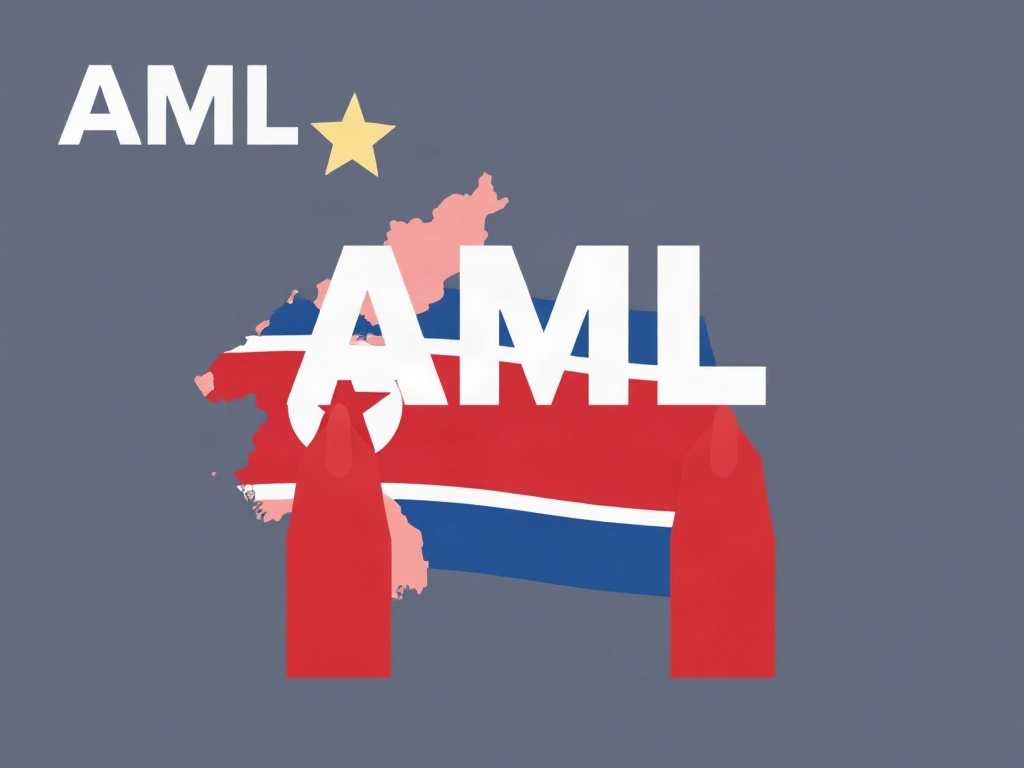
The rapid evolution of digital asset markets has intensified the need for robust financial crime prevention mechanisms. Among the most pressing challenges is the intersection of anti-money laundering (AML) protocols, geopolitical sanctions, and cryptocurrency transactions involving jurisdictions under strict regulatory scrutiny. The Democratic People's Republic of Korea (DPRK) has been identified by global financial watchdogs as a primary actor in using cryptocurrency to bypass international sanctions, fund illicit programs, and execute sophisticated cyber operations. As a result, performing a thorough AML check North Korea sanctions crypto process is no longer optional for compliant crypto businesses—it is a legal and operational imperative.
This article provides a detailed examination of the current regulatory framework, technical methodologies, and practical strategies for implementing effective AML checks specifically tailored to North Korea-related crypto sanctions. Whether you are a compliance officer, blockchain analyst, or fintech entrepreneur, the insights below will help you navigate this complex terrain with confidence and precision.
The Global Regulatory Framework for AML and Crypto Sanctions
International bodies such as the Financial Action Task Force (FATF), the U.S. Office of Foreign Assets Control (OFAC), and the United Nations have established comprehensive guidelines targeting the use of digital assets by sanctioned entities. These frameworks mandate that virtual asset service providers (VASPs) implement rigorous customer due diligence, transaction monitoring, and sanctions screening procedures.
Understanding UN and OFAC Sanctions Directives
The United Nations Security Council has repeatedly adopted resolutions restricting financial flows to the DPRK, while OFAC maintains a Specially Designated Nationals (SDN) list that includes numerous crypto addresses, mixing services, and exchanges alleged to facilitate sanctions evasion. An effective AML check North Korea sanctions crypto protocol begins with integrating these lists into real-time screening systems. Failure to do so can result in severe penalties, including multi-million-dollar fines, loss of banking partnerships, and criminal liability for senior executives.
How AML Check North Korea Sanctions Crypto Fits into International Monitoring
Beyond list matching, regulators expect VASPs to assess the risk profile of every transaction involving jurisdictions with weak AML/CTF (Countering the Financing of Terrorism) controls. North Korea's alleged use of chain-hopping, atomic swaps, and decentralized exchanges (DEXs) necessitates a layered approach that combines address attribution, behavioral analytics, and threat intelligence. The goal is to identify suspicious patterns—such as rapid movement of funds through mixing tumblers or routing value through jurisdictions with lax oversight—before they can be exploited.
Technical Methodologies for Performing AML Checks on Crypto Transactions
Modern AML systems leverage a combination of on-chain analytics, machine learning, and external threat data to detect sanctions evasion. The following methodologies form the backbone of a resilient AML check North Korea sanctions crypto framework.
Blockchain Analytics and Address Tagging
Blockchain forensics companies have developed extensive databases that tag addresses associated with North Korean hacking groups, such as the Lazarus Group. These tagging systems enable compliance platforms to automatically flag transactions involving known DPRK-associated wallets. Additionally, address clustering techniques help uncover hidden connections between seemingly unrelated accounts, revealing the true scope of a sanctions evasion network.
Real-Time Monitoring vs. Periodic Screening
While periodic screening remains a baseline requirement, real-time monitoring is increasingly vital for catching rapid-value transfers that characterize modern crypto-based sanctions evasion. Real-time AML check North Korea sanctions crypto workflows integrate API-driven feeds from sanctions lists, allowing compliance systems to trigger immediate alerts when a flagged address appears in a transaction. This proactive stance reduces the window of opportunity for bad actors to move illicit funds across borders.
Geolocation and Jurisdictional Risk Scoring
Advanced platforms assign risk scores based on the geographic origin and destination of funds. Transactions routing through or from jurisdictions identified as high-risk—such as China, Russia, or Southeast Asian hubs with reported DPRK activity—receive elevated scrutiny. By combining geolocation data with transaction velocity and amount thresholds, compliance teams can prioritize investigations and allocate resources efficiently.
North Korea's Crypto Infrastructure and Sanctions Evasion Strategies
Understanding the adversary is as important as implementing the controls. The DPRK has developed a sophisticated crypto ecosystem designed to exploit the pseudonymous and borderless nature of blockchain technology. Familiarity with these tactics enhances the effectiveness of any AML check North Korea sanctions crypto initiative.
Lazarus Group Operations and Mixing Services
The Lazarus Group, a state-sponsored hacking organization, has been linked to numerous high-profile cyber heists targeting banks, gaming platforms, and cryptocurrency bridges. Stolen funds are frequently funneled through mixing services (also known as tumblers) that obfuscate the transaction trail by pooling and redistributing assets. Compliance systems must monitor for known mixer addresses and analyze mixing patterns, such as unusual input-output ratios and rapid succession of transactions, to disrupt these flows.
Decentralized Exchanges and Peer-to-Peer Networks
Decentralized exchanges (DEXs) and peer-to-peer (P2P) platforms operate without centralized KYC protocols, making them attractive venues for sanctions evasion. The DPRK has been observed using DEXs to convert illicit crypto into stablecoins or fiat-equivalent assets. An effective AML check North Korea sanctions crypto strategy includes monitoring liquidity pools, tracking wallet interactions with known DEX contracts, and employing heuristic analysis to detect suspicious trading behavior.
Cross-Chain Bridges and Atomic Swaps
Cross-chain bridges facilitate the movement of assets between different blockchain networks, often across continents. Atomic swaps enable trustless, peer-to-peer exchanges without intermediaries. Both mechanisms have been exploited by state-aligned actors to bypass traditional financial surveillance. Compliance tools must extend their monitoring scope beyond single-chain analytics to include multi-chain tracking, ensuring that no transaction slips through the cracks due to network fragmentation.
Implementing Effective Compliance Programs for Crypto Businesses
Building a culture of compliance requires more than technology; it demands organizational commitment, staff education, and continuous process improvement. The following best practices provide a roadmap for integrating robust AML check North Korea sanctions crypto procedures into your operations.
Integrating AML Check North Korea Sanctions crypto into KYC Protocols
Know Your Customer (KYC) processes serve as the first line of defense. By incorporating sanctions list checks into onboarding workflows, businesses can prevent high-risk entities from gaining access to their platforms. Automated KYC solutions should validate customer identities against global watchlists, including OFAC, EU, and UN lists, and perform ongoing monitoring for changes in status. Special attention must be given to corporate structures, beneficial owners, and jurisdictional ties that may indicate North Korean affiliation.
Staff Training, Record-Keeping, and Reporting Obligations
Human expertise remains a critical component of AML compliance. Regular training sessions should educate employees on the latest North Korea sanctions crypto trends, red flag indicators, and reporting procedures. Meticulous record-keeping of all screening activities, transaction reviews, and suspicious activity reports (SARs) is essential for regulatory audits and demonstrating good faith efforts to authorities. Additionally, businesses must establish clear internal escalation paths for compliance concerns, ensuring that potential violations are addressed promptly and documented thoroughly.
Leveraging Third-Party Compliance Solutions
Many crypto businesses partner with specialized AML solution providers that offer pre-built integrations with major sanctions lists and blockchain analytics tools. These platforms often feature customizable risk rules, real-time alerting, and comprehensive reporting dashboards. When selecting a provider, prioritize those with proven experience in handling DPRK-related sanctions, up-to-date threat intelligence, and compliance with the latest FATF Recommendations.
Periodic Review and Update of Compliance Policies
The sanctions landscape evolves rapidly. New designations, updated guidance, and emerging evasion tactics require frequent policy reviews. Establish a quarterly or bi-annual audit cycle to assess the effectiveness of your AML check North Korea sanctions crypto framework, incorporate lessons learned from industry incidents, and adjust risk parameters accordingly. Continuous improvement ensures that your compliance program remains resilient against evolving threats.
Conclusion: Staying Ahead in a Dynamic Compliance Environment
The intersection of anti-money laundering regulations, geopolitical sanctions, and cryptocurrency innovation presents a moving target for compliance professionals. The DPRK's persistent efforts to exploit digital assets for sanctions evasion underscore the necessity of vigilant, technology-driven AML check North Korea sanctions crypto processes. By understanding the regulatory landscape, employing advanced technical methodologies, and fostering a culture of compliance within your organization, you can significantly reduce the risk of regulatory penalties and protect your platform from exploitation.
Remember, effective sanctions screening is not a one-time checkbox exercise but an ongoing commitment to due diligence, transparency, and proactive risk management. Stay informed, leverage the right tools, and make AML compliance a cornerstone of your crypto business strategy.
- Integrate real-time sanctions list feeds into your transaction monitoring systems.
- Utilize blockchain analytics to tag and track North Korea-associated addresses.
- Conduct regular staff training on DPRK crypto evasion tactics and reporting procedures.
- Maintain meticulous records of all AML activities for audit readiness.
- Partner with reputable compliance solution providers specializing in crypto sanctions.
- Establish a quarterly policy review cycle to keep your AML framework current.
- Implement custom risk rules based on jurisdictional and behavioral analytics.
- Deploy real-time alerting for any interaction with flagged North Korea-related addresses.
- Foster cross-departmental collaboration between compliance, legal, and technical teams.
- Monitor emerging technologies, such as privacy coins and layer-2 solutions, for new risk vectors.
By adhering to these guidelines

AML check North Korea sanctions crypto: Compliance Challenges and Market Strategy
As James Richardson, Senior Crypto Market Analyst with over a decade of experience tracking digital asset trends, I've watched the evolution of regulatory scrutiny with particular attention to geopolitical risk factors. The intersection of AML check North Korea sanctions crypto enforcement and blockchain transparency represents one of the most complex compliance landscapes in the industry today. Unlike traditional financial systems, cryptocurrencies operate on decentralized networks that can be exploited by state actors, making robust anti-money laundering frameworks not just a regulatory checkbox but a market stability imperative.
From a practical standpoint, the challenge lies in balancing the ethos of financial sovereignty with the reality of global sanctions regimes. Institutional investors and DeFi platforms alike must implement sophisticated transaction monitoring tools that can flag wallet addresses linked to sanctioned entities without stifling legitimate innovation. In my analysis, the most effective approaches combine on-chain forensic analytics with off-chain intelligence, creating a dual-layer defense that satisfies regulators while preserving the liquidity and accessibility that define healthy crypto markets.
Looking ahead, the trajectory of AML check North Korea sanctions crypto compliance will likely shape the next wave of institutional adoption and market maturation. Firms that proactively integrate compliant infrastructure, educate their teams on sanction nuances, and maintain transparent reporting protocols will emerge as leaders in a space where trust and regulatory alignment are becoming currency in their own right. For analysts and investors, staying ahead of these developments isn't optional—it's essential for risk-adjusted decision-making.