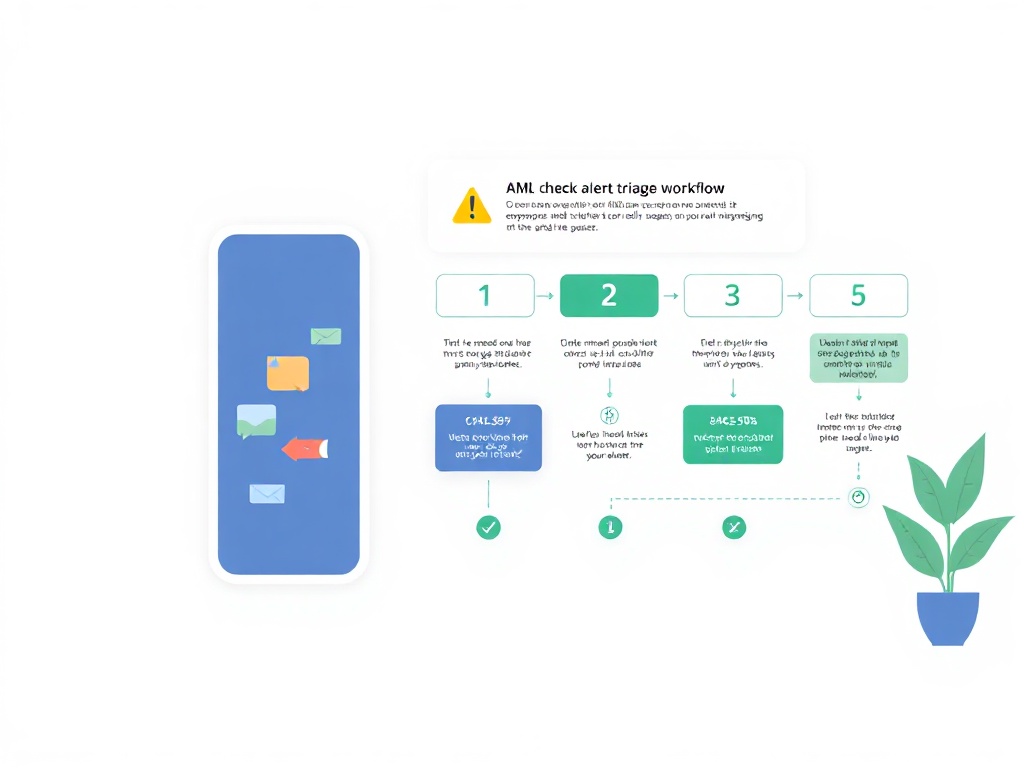
The rapid evolution of cybercrime has blurred the lines between traditional fraud, malware operations, and financial regulatory evasion. Among the most persistent threats is the convergence of botnet infrastructure with cryptocurrency payout mechanisms, creating a sophisticated pipeline for laundering illicit proceeds. When attackers compromise a network of infected devices, they often redirect earnings through automated crypto payouts, leveraging the pseudonymous nature of blockchain transactions to obscure the origin of funds. In this environment, an effective AML check botnet cryptocurrency payout strategy is not merely a technical requirement but a legal imperative for exchanges, financial institutions, and cybersecurity firms tasked with safeguarding the digital economy.
Botnets have long been utilized for distributed denial-of-service attacks, spam campaigns, and credential theft. However, the monetization phase has shifted toward crypto-mining hijacking and direct payouts to wallets controlled by threat actors. These payouts are typically executed through automated scripts that aggregate mined coins or stolen funds and dispatch them to a set of destination addresses. The decentralized and borderless nature of cryptocurrencies makes these flows particularly attractive to malicious actors, while simultaneously posing a significant detection challenge for compliance teams. Understanding the technical workflow of these payouts is the first step toward building resilient AML frameworks.
The Anatomy of Botnet-Driven Cryptocurrency Payouts
Mechanisms of Infection
Botnet operators employ a variety of intrusion vectors to conscript devices into their networks. Phishing emails with malicious attachments, exploit kits targeting unpatched software, and vulnerable Internet of Things (IoT) devices are common entry points. Once a device is compromised, it joins a command-and-control (C2) server that issues instructions for resource utilization, including crypto-mining or payload deployment. The stealthiness of these infections often relies on resource throttling, ensuring that the host remains operational while silently contributing to the botnet's revenue-generating activities.
Automated Payout Workflows
After compromising sufficient computing power, the botnet software initiates mining operations or executes stolen-fund transfers. The mined cryptocurrency or transferred assets are funneled into wallets under the control of the attacker. Automated scripts periodically sweep these balances and dispatch payouts to a hierarchy of destination addresses, often employing mixing services or tumblers to break the on-chain trail. This automated payout cycle is designed for efficiency and anonymity, making it a critical focus area for AML professionals seeking to trace and disrupt illicit financial flows.
AML Compliance Challenges in Tracing Crypto Payouts
Transaction Anonymity vs. Regulatory Requirements
Regulatory bodies worldwide have intensified scrutiny on virtual asset service providers (VASPs), mandating know-your-customer (KYC) and transaction monitoring protocols. However, the inherent design of many cryptocurrencies prioritizes user privacy, resulting in transaction graphs that are difficult to attribute to real-world identities. Privacy coins, coinjoin techniques, and layer-2 scaling solutions further complicate the task of linking a botnet-driven payout to a specific individual or entity. AML check botnet cryptocurrency payout processes must therefore bridge the gap between on-chain data analysis and off-chain identity verification, a task that requires both technological investment and cross-jurisdictional cooperation.
Data Integration and Monitoring Gaps
Many financial institutions struggle with siloed data systems that hinder real-time monitoring of crypto inflows and outflows. Traditional AML tools, designed for fiat currency flows, often lack the granularity to parse blockchain metadata, such as transaction timestamps, gas fees, and address clustering. Without integrated data feeds from blockchain explorers, wallet labeling services, and threat intelligence platforms, compliance teams operate with blind spots that malicious actors can exploit. Clapping these gaps demands a unified approach that combines forensic accounting, machine learning anomaly detection, and continuous threat monitoring.
Technical Strategies for Detecting Illicit Crypto Flows
Blockchain Forensics and AML Tools
Modern blockchain forensics platforms leverage graph analysis, clustering algorithms, and behavioral profiling to map the movement of funds across multiple addresses and exchanges. By tagging known malicious wallets and correlating them with botnet activity indicators, these tools can flag suspicious payout patterns in near real-time. Integration with AML check botnet cryptocurrency payout frameworks enables automated alerts when a transaction matches predefined risk parameters, such as rapid succession payouts, interactions with high-risk jurisdictions, or connections to known darknet marketplaces.
Machine Learning Indicators
Machine learning models trained on historical transaction data can identify subtle deviations from normal user behavior. Features such as unusual transaction sizes, atypical timing patterns, and frequent interactions with mixing services serve as input variables for classification models. When deployed within a continuous learning loop, these models adapt to evolving botnet tactics, reducing false positives while increasing the detection rate of truly suspicious activity. The synergy between rule-based AML logic and adaptive ML analytics represents the cutting edge of crypto payout monitoring.
Best Practices for Organizations and Financial Institutions
Implementing Robust AML Check Protocols
Organizations operating in the crypto space should adopt a risk-based approach to AML compliance. This begins with a comprehensive assessment of the types of digital assets handled, the jurisdictions of users, and the specific vectors through which funds may enter the system. Implementing an AML check botnet cryptocurrency payout protocol involves deploying transaction monitoring software, establishing baseline behavioral norms, and defining clear escalation procedures for flagged events. Regular audits and updates to compliance policies ensure that the framework remains aligned with both regulatory changes and emerging threat landscapes.
Collaboration and Information Sharing
No single entity can combat the global nature of botnet-driven crypto payouts alone. Industry consortia, law enforcement partnerships, and information-sharing platforms play a vital role in disseminating threat intelligence, newly identified malicious wallet addresses, and emerging attack patterns. By participating in these ecosystems, VASPs and financial institutions enhance their situational awareness and contribute to a collective defense posture. Collaborative initiatives also streamline the process of freezing illicit funds and coordinating takedown operations with cybersecurity firms and governmental agencies.
Employee Training and Awareness
Technical controls must be complemented by a culture of compliance awareness across the organization. Staff involved in transaction monitoring, customer onboarding, and risk assessment should receive regular training on the latest botnet tactics, crypto payout methodologies, and AML regulatory updates. Simulated phishing exercises and scenario-based workshops help reinforce the importance of vigilance, ensuring that human operators can effectively triage flagged transactions and support investigative efforts.
In summary, the intersection of botnet infrastructure and cryptocurrency payouts presents a dynamic and evolving challenge for AML compliance. The pseudonymous and borderless nature of digital assets, combined with the automated and distributed characteristics of botnets, creates a fertile ground for illicit financial activity. However, by leveraging advanced blockchain forensics, machine learning analytics, and robust regulatory frameworks, organizations can build effective defenses against these threats. A holistic approach that integrates technology, policy, and collaboration is essential to safeguard the integrity of the digital economy and ensure that every AML check botnet cryptocurrency payout process is both rigorous and resilient.
As the regulatory landscape continues to mature and cybercriminal tactics grow more sophisticated, staying ahead of the curve requires continuous investment in detection capabilities, cross-sector partnerships, and a commitment to proactive compliance. The stakes are high, but with the right tools and strategies in place, the financial industry can mitigate risks, protect legitimate users, and maintain the trust that underpins the broader cryptocurrency ecosystem.
Future Outlook: Emerging Technologies and Evolving Threats
Looking ahead, the fight against botnet-driven crypto payouts will be shaped by both technological innovation and regulatory evolution. Decentralized finance (DeFi) protocols, while offering greater financial inclusion, also introduce new attack surfaces that can be exploited for money laundering. Smart contract vulnerabilities, flash loan attacks, and cross-chain bridges present complex scenarios where traditional AML metrics may fall short. Emerging solutions such as zero-knowledge proofs, privacy-preserving analytics, and AI-driven risk scoring are being explored to balance user privacy with compliance obligations.
On the threat side, botnet operators are increasingly adopting polymorphic code

AML check botnet cryptocurrency payout: A compliance analysis
In my role as Blockchain Research Director, I have observed a marked increase in botnet operators embedding AML check botnet cryptocurrency payout mechanisms within their illicit operations. The ability to distribute stolen funds across multiple wallets while evading traditional surveillance underscores the necessity for advanced anti‑money laundering protocols.
Practically, I recommend that institutions deploy real‑time blockchain analytics coupled with AI‑driven anomaly detection to identify rapid payout clusters. Integrating these tools with existing KYC frameworks and enforcing strict transaction limits can significantly impede the flow of illicit capital, providing a robust defense against this emerging threat.