The rapid expansion of decentralized finance (DeFi) has introduced innovative protocols designed to bridge disparate blockchain networks, enabling seamless asset transfers and liquidity flow across ecosystems. Among these, LayerZero has emerged as a prominent interoperability layer, leveraging ultra-light nodes and omnichain routing to facilitate secure message transmission and token movement. However, with increased bridging activity comes heightened scrutiny from compliance frameworks. The concept of AML check LayerZero bridge exposure has become a critical focal point for regulators, crypto enterprises, and risk management teams seeking to balance innovation with financial integrity. This article delves into the mechanics of LayerZero bridging, the anti-money laundering challenges it presents, and practical methodologies for conducting thorough compliance assessments.
The Evolution of Blockchain Bridges and AML Implications
Blockchain bridges serve as conduits between isolated networks, allowing users to migrate assets, access yield opportunities, and participate in cross-chain applications. While this interoperability drives ecosystem growth, it also expands the attack surface for illicit actors. Historical incidents involving bridge exploits and money laundering have prompted heightened vigilance from global regulators. The Financial Action Task Force (FATF) and various national authorities have emphasized the need for virtual asset service providers (VASPs) to implement robust know-your-customer (KYC) and transaction monitoring protocols.
In this context, AML check LayerZero bridge exposure refers to the systematic evaluation of risk associated with transactions traversing LayerZero-powered bridges. Unlike traditional financial intermediaries, blockchain bridges operate in a permissionless environment, meaning that any address can initiate a transfer without inherent identity verification. This anonymity, while foundational to crypto's ethos, creates a fertile ground for money laundering, sanctions evasion, and terrorist financing if left unchecked. Compliance professionals must therefore adopt a risk-based approach that scrutinizes bridge inflows, outflows, and the entities involved.
Key risk indicators include sudden large-volume transfers, frequent bridging between high-risk jurisdictions, and interactions with addresses flagged on international watchlists. By integrating these signals into an AML framework, organizations can detect anomalous patterns early and mitigate potential misuse. The following sections explore LayerZero's technical architecture and detail how compliance teams can operationalize risk assessment across its bridging infrastructure.
LayerZero Protocol: Architecture and Bridge Mechanics
LayerZero distinguishes itself from conventional bridge solutions through its unique architecture designed to minimize trust assumptions and maximize message efficiency. At its core, the protocol utilizes ultra-light nodes (ULNs) that operate on destination chains, verifying the authenticity of cross-chain messages without relying on a centralized validator set. This design reduces gas costs and enhances security, but it also introduces distinct compliance considerations.
The bridging process on LayerZero typically involves two primary actions: lock-and-mint on the source chain and burn-and-release on the destination chain. When a user initiates a transfer, the originating contract locks the native or ERC-20 token, while a corresponding message is transmitted via LayerZero's endpoint to the destination chain. There, a guardian network or ULN validates the proof, and the locked assets are released to the recipient address. This mechanism, while efficient, creates multiple points where transaction data must be captured and analyzed for AML purposes.
Understanding the flow of assets through LayerZero is essential for constructing an effective AML check LayerZero bridge exposure protocol. Every bridge event generates on-chain data, including sender and receiver addresses, token amounts, timestamps, and transaction hashes. Compliance teams can leverage blockchain analytics tools to parse this data, correlate it with off-chain identifiers, and assign risk scores based on predefined criteria. Additionally, LayerZero's omnichain nature means that a single asset may traverse multiple bridges across different networks, necessitating a holistic view of the asset's journey.
Moreover, the protocol's reliance on decentralized guardians introduces a governance layer that can influence bridge parameters, such as fee structures and supported token lists. Changes to these parameters can impact risk profiles, making it imperative for compliance frameworks to monitor protocol upgrades and community proposals. By maintaining an up-to-date inventory of LayerZero-connected endpoints and their associated risk metrics, organizations can ensure that their AML assessments remain relevant and comprehensive.
AML Check Methodologies for Bridge Exposure Assessment
Conducting a thorough AML check LayerZero bridge exposure assessment requires a multi-layered approach that combines on-chain analysis, off-chain intelligence, and internal policy enforcement. The following methodologies provide a structured framework for compliance professionals:
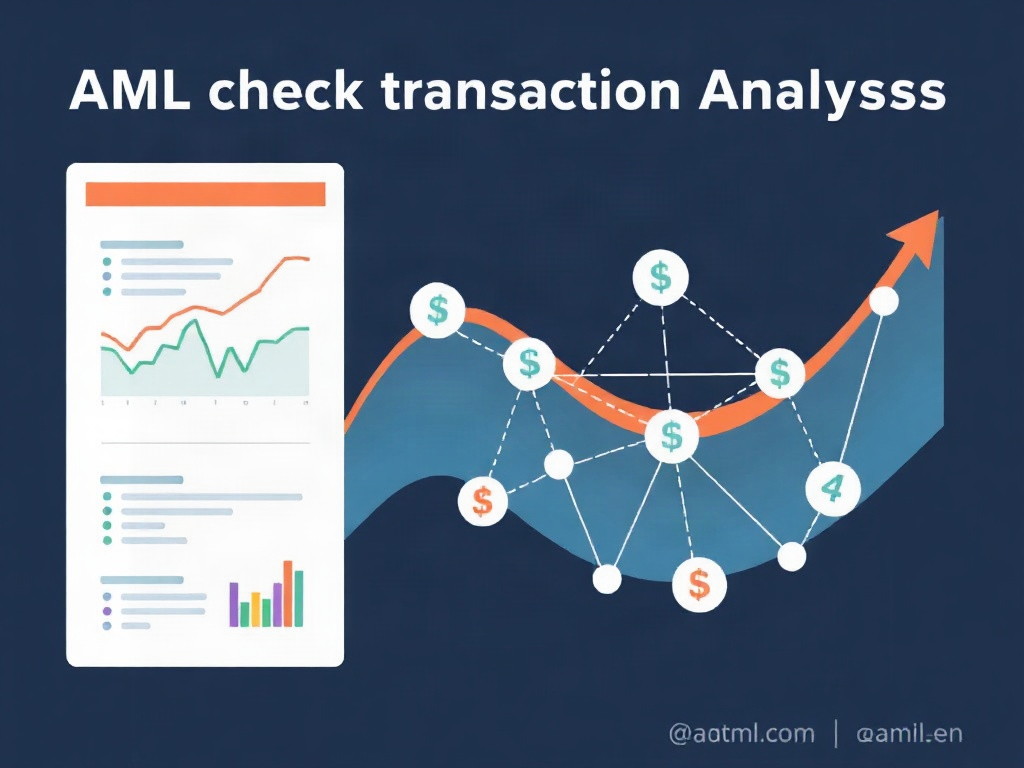
- Transaction Pattern Analysis: Utilize blockchain forensics tools to map the movement of funds across LayerZero bridges. Identify clusters of activity, rapid successive transfers, and interactions with mixing services or tumblers that may indicate attempts to obfuscate the origin of funds.
- Address Risk Scoring: Maintain a dynamic database of addresses associated with known illicit activity, sanctioned entities, or high-risk jurisdictions. Each bridging transaction should be cross-referenced against this database, with automatic flags triggered for matches or near-matches.
- Geolocation and Jurisdiction Mapping: Determine the physical or regulatory jurisdictions associated with bridging parties. This involves analyzing IP geolocation data (where available), exchange onboarding regions, and the regulatory status of the involved blockchain networks.
- Behavioral Baseline Establishment: Develop baseline metrics for normal bridging activity within your user base. Deviations such as unusually large volumes, off-hours transactions, or bridging to/from blacklisted networks should be prioritized for review.
- Real-Time Monitoring and Alerting: Implement automated monitoring systems that continuously scan LayerZero bridge events and generate alerts based on configurable risk thresholds. Integration with existing AML transaction monitoring systems ensures seamless workflow incorporation.
Each of these methodologies contributes to a comprehensive risk assessment posture. However, the effectiveness of an AML check LayerZero bridge exposure framework depends on the quality of data inputs and the agility of the underlying analytics engine. As bridge technology evolves and new attack vectors emerge, compliance teams must regularly update their rule sets and incorporate lessons learned from incident reports and regulatory guidance.
Regulatory Landscape and Future-Proofing Compliance
The regulatory environment surrounding cross-chain bridges is rapidly evolving. Jurisdictions such as the United States, European Union, and Singapore have each issued guidance or proposed legislation aimed at clarifying the obligations of entities involved in blockchain interoperability. The European Union's Markets in Crypto-Assets (MiCA) regulation, for instance, imposes stringent requirements on crypto-asset service providers (CASPs) regarding transaction monitoring, customer due diligence, and reporting of suspicious activities. Similarly, the U.S. Treasury's Financial Crimes Enforcement Network (FinCEN) has proposed rules that would extend AML obligations to certain decentralized protocol participants.
For organizations operating within or interacting with LayerZero-powered bridges, staying ahead of these developments is paramount. A proactive compliance strategy involves not only adhering to current requirements but also anticipating future mandates. This includes investing in scalable analytics infrastructure, fostering collaboration with industry consortia, and engaging with legal experts specializing in crypto regulation.
One of the most significant challenges in this space is the tension between decentralization principles and regulatory compliance. While LayerZero's design minimizes trust assumptions, it does not inherently provide identity verification or transaction screening. Compliance teams must therefore implement external layers of oversight without compromising the user experience or the protocol's core functionality. This can be achieved through modular compliance solutions that integrate seamlessly with LayerZero's endpoints, enabling real-time screening without altering the underlying bridge mechanics.
Furthermore, the concept of AML check LayerZero bridge exposure extends beyond mere transaction monitoring. It encompasses a broader risk management ecosystem that includes vendor due diligence, incident response planning, and regular audit cycles. By treating bridge exposure as a strategic risk rather than a technical afterthought, organizations can build resilient frameworks that withstand regulatory scrutiny and protect their reputations.
Practical Steps for Mitigating LayerZero Bridge Risks
Implementing an effective AML check LayerZero bridge exposure protocol requires a series of actionable steps. The following roadmap outlines a practical approach for compliance teams:
- Conduct a Comprehensive Asset Inventory: Identify all tokens and assets that can be bridged via LayerZero, along with their respective smart contract addresses. Catalog the source and destination chains supported by the protocol.
- Deploy On-Chain Monitoring Tools: Integrate blockchain analytics platforms capable of real-time tracking of LayerZero bridge events. Ensure the tools support custom rule creation and alert routing to compliance teams.
- Establish KYC Protocols for High-Risk Transfers: Implement enhanced due diligence for users bridging large sums or interacting with addresses from sanctioned regions. Document the verification process and maintain audit trails.
- Develop Incident Response Playbooks: Define clear procedures for investigating and reporting suspicious bridging activity. Include steps for freezing assets, filing Suspicious Activity Reports (SARs), and communicating with relevant authorities.
- Engage in Continuous Education and Training: Keep compliance staff updated on the latest bridge technologies, emerging threats, and regulatory changes. Regular training ensures that the team can effectively interpret analytics outputs and make informed risk decisions.
By following these steps, organizations can transform their approach to AML check LayerZero bridge exposure from a reactive posture to a proactive, risk-based strategy. The goal is not to stifle innovation, but to create an environment where cross-chain interoperability can flourish alongside robust financial safeguards.
Conclusion: Balancing Innovation and Integrity
The rise of LayerZero and similar interoperability protocols represents a significant milestone in the evolution of blockchain technology. By enabling seamless value transfer across diverse networks, these solutions unlock new possibilities for decentralized applications, liquidity management, and user accessibility. However, the very features that make bridges powerful—permissionless access, cross-chain fluidity, and pseudonymous participation—also necessitate rigorous compliance scrutiny.
Throughout this article, we have explored the technical underpinnings of LayerZero bridging, examined the anti-money laundering challenges unique to cross-chain environments, and detailed methodologies for conducting a comprehensive AML check LayerZero bridge exposure assessment. From transaction pattern analysis to regulatory alignment, each component plays a vital role in ensuring that compliance frameworks keep pace with technological advancement.
As the crypto industry matures, the integration of sophisticated AML tools with innovative protocol designs will be essential for sustaining trust and legitimacy. Compliance professionals who embrace this balance will not only mitigate regulatory risks but also contribute to the long-term health and adoption of the broader blockchain ecosystem. The journey toward robust cross-chain compliance is ongoing, but with diligent effort and strategic investment, it is entirely achievable.
This article serves as a comprehensive resource for compliance officers, legal advisors, and blockchain strategists seeking to navigate the complexities of LayerZero bridge exposure within an anti-money laundering framework. For tailored guidance, consider consulting with specialized crypto compliance firms and staying abreast of evolving regulatory directives.

AML check LayerZero bridge exposure: Strategic Insights for Crypto Investors
As a certified financial analyst with over a decade of experience guiding retail and institutional capital through the volatile crypto markets, I view the rapid expansion of cross-chain infrastructure with both enthusiasm and caution. LayerZero has pioneered a lightweight, omnichain transfer protocol that promises unprecedented interoperability, but its growth surface area also introduces new compliance and risk management considerations. My role is to translate these technical developments into actionable investment frameworks, and that begins with understanding how AML check LayerZero bridge exposure fits into a broader due diligence process.
Practically, an AML check on LayerZero bridge exposure isn't about flagging the protocol itself as high-risk, but rather evaluating the transaction patterns, counterparty jurisdictions, and liquidity sources that flow through its endpoints. Institutional investors especially need to map where capital is moving, which tokens are being bridged, and whether the underlying smart contracts align with their compliance mandates. From a retail perspective, I recommend starting with transparent analytics dashboards, tracking real-time bridge metrics, and integrating third-party AML screening tools that can auto-alert on suspicious flow patterns. The goal is not to avoid innovation, but to engage with it through a risk-aware lens that protects capital without stifling opportunity.
In conclusion, the crypto landscape will continue to evolve at breakneck speed, and protocols like LayerZero will remain central to its infrastructure. For investors, the difference between capturing alpha and suffering avoidable loss often comes down to the rigor of early-stage risk assessment. By embedding AML check LayerZero bridge exposure into your regular portfolio review cycle, you position yourself to make informed, timely decisions that balance growth potential with regulatory compliance and capital preservation.