In the rapidly evolving landscape of global finance, the Seychelles Financial Services Authority (FSA) stands as a pivotal regulatory body ensuring transparency, security, and compliance within the jurisdiction. For financial institutions, fintech companies, and corporate entities operating under the Seychelles FSA license, conducting a robust AML check is not merely a regulatory obligation—it is a cornerstone of operational integrity and trust. This comprehensive guide delves into the intricacies of AML check for Seychelles FSA license, outlining the legal framework, compliance requirements, best practices, and the critical role of due diligence in safeguarding against financial crime.
Whether you are a newly established entity seeking licensure or an existing license holder aiming to enhance your anti-money laundering (AML) protocols, this article provides actionable insights to navigate the complexities of AML compliance in Seychelles. From understanding the regulatory expectations of the FSA to implementing effective screening mechanisms, we explore every facet of the AML check process tailored to the Seychelles jurisdiction.
The Role of the Seychelles Financial Services Authority (FSA) in AML Regulation
The Seychelles Financial Services Authority (FSA) is the primary regulatory authority overseeing financial services in Seychelles. Established under the Financial Services Authority Act, 2013, the FSA is responsible for licensing, supervising, and regulating financial institutions to ensure compliance with international standards, including those set by the Financial Action Task Force (FATF) and the Eastern and Southern Africa Anti-Money Laundering Group (ESAAMLG).
Regulatory Framework Governing AML Compliance in Seychelles
Seychelles has implemented a robust regulatory framework to combat money laundering and terrorist financing. Key legislation includes:
- Anti-Money Laundering and Countering the Financing of Terrorism (Amendment) Act, 2021: This act aligns Seychelles' AML laws with FATF Recommendations, introducing stricter due diligence requirements and enhanced reporting obligations.
- Financial Intelligence Unit (FIU) Act, 2006: Establishes the FIU as the central agency for receiving, analyzing, and disseminating suspicious transaction reports (STRs).
- Financial Services Authority Act, 2013: Empowers the FSA to enforce AML compliance among licensed entities.
- International Business Companies Act, 2016: Governs the formation and operation of IBCs, including AML due diligence requirements for beneficial owners.
These laws collectively mandate that all entities holding a Seychelles FSA license—including banks, investment firms, insurance companies, and corporate service providers—must implement comprehensive AML programs. Failure to comply can result in severe penalties, license revocation, or criminal prosecution.
FSA’s Expectations for AML Compliance
The FSA expects licensed entities to adopt a risk-based approach to AML compliance, which involves:
- Customer Due Diligence (CDD): Verifying the identity of clients, beneficial owners, and counterparties using reliable sources.
- Enhanced Due Diligence (EDD): Conducting additional scrutiny for high-risk clients, such as politically exposed persons (PEPs) or entities from high-risk jurisdictions.
- Transaction Monitoring: Implementing systems to detect and report suspicious activities in real-time.
- Record-Keeping: Maintaining records of customer identification, transactions, and compliance reports for at least five years.
- Reporting Obligations: Submitting suspicious transaction reports (STRs) to the FIU within the stipulated timeframe.
The FSA conducts regular inspections and audits to assess compliance. Entities found non-compliant may face enforcement actions, including fines, license suspension, or revocation. Therefore, a proactive AML check for Seychelles FSA license is essential to mitigate risks and maintain regulatory good standing.
Why AML Check is Critical for Seychelles FSA License Holders
Conducting an AML check is not just a legal requirement—it is a strategic imperative for any entity holding a Seychelles FSA license. The consequences of non-compliance extend beyond regulatory penalties; they can severely damage an institution’s reputation, erode customer trust, and expose it to financial and legal risks. Below are the key reasons why AML checks are indispensable:
1. Mitigating Financial Crime and Terrorist Financing
Money laundering and terrorist financing pose significant threats to the global financial system. Criminals exploit gaps in AML controls to integrate illicit funds into the legitimate economy. For Seychelles, a jurisdiction known for its offshore financial services, the risk of being misused for illicit activities is particularly high. A robust AML check helps identify and block suspicious transactions before they enter the financial system.
By implementing stringent customer screening, transaction monitoring, and risk assessment protocols, license holders can:
- Prevent the onboarding of high-risk clients or entities.
- Detect unusual patterns indicative of money laundering or terrorist financing.
- Ensure that funds are not derived from illegal sources.
2. Protecting Reputation and Customer Trust
In today’s interconnected world, news of financial misconduct spreads rapidly, often leading to irreparable damage to an institution’s reputation. A single AML violation can result in negative publicity, loss of clients, and difficulty in attracting new business. For entities operating under a Seychelles FSA license, maintaining a clean compliance record is vital for attracting reputable clients and investors.
A proactive AML check demonstrates a commitment to ethical business practices and regulatory compliance, enhancing the institution’s credibility in the eyes of regulators, clients, and partners.
3. Avoiding Costly Penalties and Legal Consequences
The FSA and other regulatory bodies impose hefty fines for AML violations. For example, in 2022, the FSA fined a major bank in Seychelles for failing to implement adequate AML controls, resulting in a penalty of over $1 million. Beyond financial penalties, non-compliant entities may face:
- License suspension or revocation.
- Criminal charges against directors or compliance officers.
- Restrictions on conducting business in other jurisdictions.
By conducting regular AML checks, license holders can identify and rectify compliance gaps before they escalate into costly legal issues.
4. Facilitating Business Growth and Expansion
Many international clients and partners prioritize working with institutions that adhere to strict AML standards. A strong AML compliance program can open doors to new markets, partnerships, and investment opportunities. For instance, financial institutions in Europe and the U.S. are more likely to engage with Seychelles-licensed entities that demonstrate robust AML controls.
Moreover, a clean compliance record can simplify the process of obtaining additional licenses or expanding operations into other jurisdictions. Therefore, investing in a thorough AML check for Seychelles FSA license is a strategic move that supports long-term growth.
Step-by-Step Guide to Conducting an AML Check for Seychelles FSA License
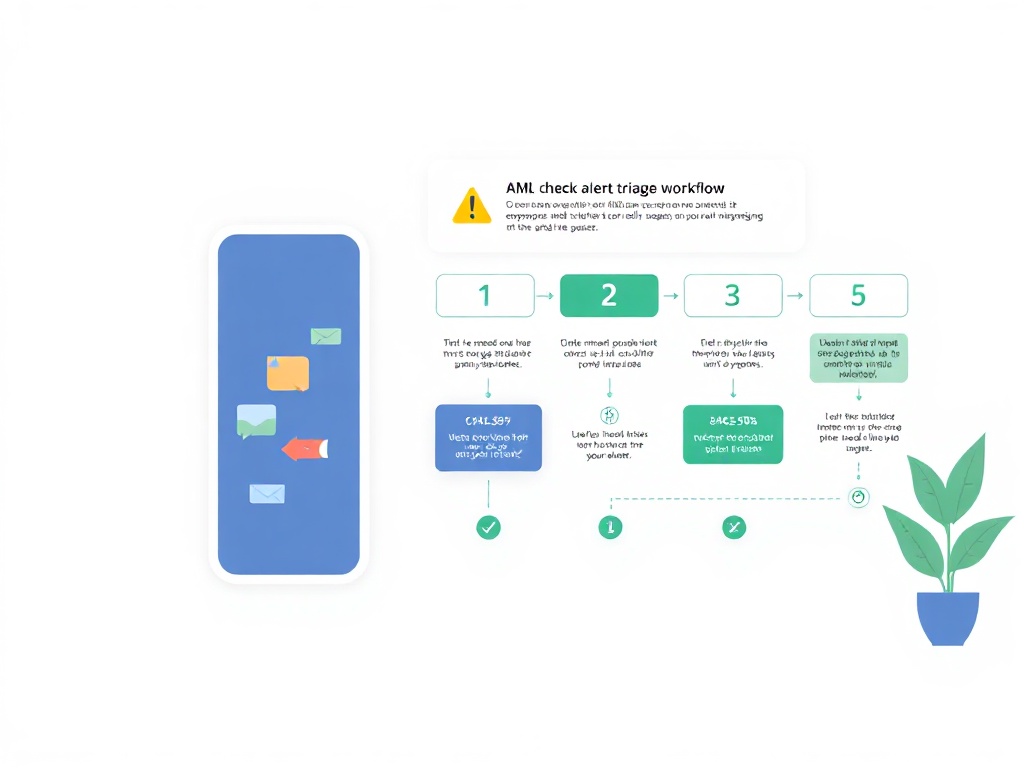
Implementing an effective AML check requires a systematic approach tailored to the regulatory requirements of the Seychelles FSA. Below is a step-by-step guide to help license holders establish and maintain a compliant AML program.
Step 1: Establish a Risk-Based AML Framework
The foundation of any AML program is a risk-based approach, which involves assessing the inherent risks associated with the institution’s products, services, customers, and geographic exposure. The FSA expects license holders to:
- Conduct a Risk Assessment: Identify and evaluate risks based on factors such as customer type, transaction volume, and geographic location. High-risk clients (e.g., PEPs, shell companies) require enhanced due diligence.
- Develop Policies and Procedures: Document AML policies that outline customer identification, transaction monitoring, and reporting procedures. These policies should be reviewed and updated annually.
- Assign Compliance Responsibilities: Designate a compliance officer responsible for overseeing AML activities and ensuring adherence to regulatory requirements.
Entities should also consider adopting industry best practices, such as the Wolfsberg Group’s AML Principles or the FATF’s Guidance on Risk-Based Approach, to strengthen their frameworks.
Step 2: Implement Customer Due Diligence (CDD) and Enhanced Due Diligence (EDD)
Customer Due Diligence (CDD) is the first line of defense against money laundering. For entities holding a Seychelles FSA license, CDD involves:
- Identity Verification: Collecting and verifying customer identification documents, such as passports, national ID cards, or corporate registration certificates.
- Beneficial Ownership Identification: Identifying and verifying the ultimate beneficial owners (UBOs) of corporate entities, particularly for shell companies or complex structures.
- Ongoing Monitoring: Continuously monitoring customer transactions and updating customer profiles to reflect changes in risk profile.
For high-risk clients, Enhanced Due Diligence (EDD) is mandatory. EDD measures may include:
- Obtaining additional documentation, such as source of funds or wealth statements.
- Conducting background checks on beneficial owners.
- Implementing transaction limits or additional approval requirements.
Failure to conduct adequate CDD or EDD can result in regulatory scrutiny and penalties. Therefore, license holders must ensure that their AML check processes are thorough and up-to-date.
Step 3: Screen Customers Against Sanctions and PEP Lists
One of the most critical components of an AML check is screening customers against global sanctions lists, such as those issued by the United Nations (UN), European Union (EU), or Office of Foreign Assets Control (OFAC). Additionally, entities must screen for Politically Exposed Persons (PEPs), who pose a higher risk of involvement in corruption or money laundering.
Screening tools and databases, such as World-Check, Refinitiv, or Dow Jones Risk & Compliance, can automate this process and flag high-risk individuals or entities. License holders should:
- Integrate screening tools into their onboarding and transaction monitoring systems.
- Regularly update screening lists to reflect new sanctions or PEP designations.
- Document screening results and any actions taken in response to matches.
Screening is not a one-time activity; it must be conducted continuously to ensure ongoing compliance.
Step 4: Monitor Transactions for Suspicious Activity
Transaction monitoring is essential for detecting and reporting suspicious activities. The FSA requires license holders to implement automated systems that can identify unusual patterns, such as:
- Large or frequent transactions that lack a clear economic purpose.
- Transactions involving high-risk jurisdictions or entities.
- Structured transactions designed to evade reporting thresholds.
Key considerations for transaction monitoring include:
- Thresholds and Alerts: Setting appropriate transaction thresholds to trigger alerts for suspicious activities.
- Risk Scoring: Assigning risk scores to customers and transactions based on predefined criteria.
- Investigation and Reporting: Conducting investigations into flagged transactions and filing Suspicious Transaction Reports (STRs) with the FIU if necessary.
License holders should also conduct periodic reviews of their transaction monitoring systems to ensure they remain effective and aligned with evolving risks.
Step 5: Maintain Comprehensive Records and Reporting
The FSA mandates that license holders maintain detailed records of all AML-related activities for at least five years. These records should include:
- Customer identification and verification documents.
- Transaction records, including amounts, dates, and counterparties.
- CDD and EDD documentation.
- Screening results and risk assessments.
- STRs filed with the FIU.
In addition to record-keeping, license holders must submit regular reports to the FSA, including:
- Annual AML Compliance Reports: Summarizing the institution’s AML activities, risks, and compliance efforts.
- Suspicious Transaction Reports (STRs): Submitted to the FIU within 24 hours of detecting suspicious activity.
- Internal Audit Reports: Documenting the results of AML audits and corrective actions taken.
Failure to maintain accurate records or submit timely reports can result in regulatory penalties. Therefore, a robust AML check for Seychelles FSA license must include a comprehensive record-keeping and reporting system.
Step 6: Conduct Regular Audits and Training
To ensure ongoing compliance, license holders should conduct regular internal audits and AML training programs. Audits help identify gaps in the AML program and provide opportunities for improvement. Training ensures that employees understand their roles and responsibilities in preventing financial crime.
Key components of an effective AML audit and training program include:
- Audit Schedule: Conducting audits at least annually or more frequently for high-risk entities.
- Audit Scope: Reviewing CDD processes, transaction monitoring systems, record-keeping, and reporting procedures.
- Training Programs: Providing AML training to employees, including updates on regulatory changes, case studies, and practical exercises.
- Corrective Actions: Implementing and documenting corrective actions based on audit findings.
By fostering a culture of compliance through audits and training, license holders can strengthen their AML check processes and reduce the risk of regulatory violations.
Common Challenges in AML Compliance for Seychelles FSA License Holders
While the regulatory framework for AML in Seychelles is robust, license holders often face several challenges in implementing effective compliance programs. Understanding these challenges is the first step toward overcoming them and ensuring a successful AML check for Seychelles FSA license.
1. Complex Corporate Structures and Beneficial Ownership Transparency
Seychelles is a popular jurisdiction for establishing international business companies (IBCs) due to its favorable tax regime and ease of incorporation. However, the use of complex corporate structures, such as shell companies or nominee arrangements, can obscure beneficial ownership and complicate AML due diligence.
To address this challenge, license holders must:
- Request and verify beneficial ownership information from clients.
- Use reliable databases or third-party service providers to identify UBOs.
- Implement enhanced monitoring for entities with opaque ownership structures.
The FSA has emphasized the importance of beneficial ownership transparency, and failure to comply can result in regulatory action.
2. High-Risk Jurisdictions and Sanctions Compliance
Seychelles’ proximity to high-risk jurisdictions and its status as an offshore financial center make it particularly vulnerable to financial crime. Entities holding a Seychelles FSA license must remain vigilant about sanctions and AML risks associated with certain countries, such as those on the FATF’s grey list or blacklist.
Challenges in this area include:
- Keeping up with frequent updates to sanctions lists.
- Implementing controls to prevent transactions with sanctioned entities.
- Conducting enhanced due diligence for clients from high-risk jurisdictions.
License holders should leverage automated screening tools and stay informed about global AML developments to mitigate these risks.
3. Technological Advancements and Evolving Threats
The rise of cryptocurrencies, digital banking, and fintech innovations has introduced new AML challenges. Criminals increasingly exploit technological loopholes to launder money or finance illicit activities. For Seychelles FSA license holders, staying ahead of these threats requires:
- Adopting advanced AML software with AI and machine learning capabilities.
- Implementing real-time transaction monitoring to detect anomalies.
- Training staff to recognize emerging trends in financial crime.
The FSA has issued guidance on AML controls for digital assets and virtual asset service providers (VASPs), emphasizing the need for robust compliance programs in this evolving landscape.
4. Resource Constraints and Cost of Compliance
For smaller financial institutions or startups, the cost of implementing and maintaining an AML program can be prohibitive. Challenges include:
- Hiring and training compliance officers.
- Investing in AML
 Emily ParkerCrypto Investment Advisor
As a certified financial analyst with over a decade of experience in cryptocurrency investment strategies, I’ve seen firsthand how regulatory compliance can make or break a digital asset venture. The AML check Seychelles FSA license is not just a bureaucratic hurdle—it’s a critical safeguard for investors and a testament to an exchange’s legitimacy. Seychelles, with its progressive regulatory framework under the Financial Services Authority (FSA), has emerged as a preferred jurisdiction for crypto businesses seeking credibility without the stifling constraints of more restrictive regimes. However, the AML (Anti-Money Laundering) checks associated with obtaining an FSA license are rigorous for a reason: they ensure transparency, reduce fraud risks, and align with global standards like FATF’s Travel Rule. For institutional and retail investors alike, verifying that a Seychelles-licensed entity has passed these checks is non-negotiable—it’s the difference between a high-risk gamble and a sound investment.
From a practical standpoint, the AML check Seychelles FSA license process involves multiple layers of due diligence, including KYC (Know Your Customer) protocols, transaction monitoring, and suspicious activity reporting. The FSA’s requirements are stringent, often demanding independent audits, robust internal controls, and ongoing compliance training for staff. This isn’t just about ticking boxes; it’s about building trust in an industry plagued by scams and regulatory arbitrage. As an advisor, I always recommend that investors scrutinize not only whether a Seychelles FSA license exists but also the depth of its AML framework. Ask for proof of compliance certifications, review the exchange’s audit history, and assess whether its AML policies are actively enforced. A license without rigorous AML checks is like a bank without vaults—it may look official, but it’s fundamentally unsafe. In my experience, platforms that transparently pass these checks tend to offer better security, lower volatility risks, and greater long-term viability for crypto portfolios.