The financial landscape in South Asia is undergoing a profound transformation, driven by the rapid evolution of digital assets and the stringent regulatory frameworks designed to monitor them. At the forefront of this intersection lies the AML check Pakistan SBP crypto ban, a critical subject that dictates the operational boundaries for financial institutions and virtual asset service providers alike. Understanding the nuances of this regulatory environment is not merely an academic exercise; it is a vital necessity for anyone involved in the financial sector. The State Bank of Pakistan (SBP) has historically maintained a restrictive stance on cryptocurrencies, citing concerns over financial stability, consumer protection, and illicit financing. Consequently, the implementation of rigorous AML check Pakistan SBP crypto ban protocols has become a cornerstone of the nation's financial security strategy. This article delves deep into the regulatory landscape, the mechanics of compliance, and the future trajectory of digital assets within the Pakistani jurisdiction.
The Regulatory Landscape: Understanding the SBP Crypto Ban
Historical Context of the Ban
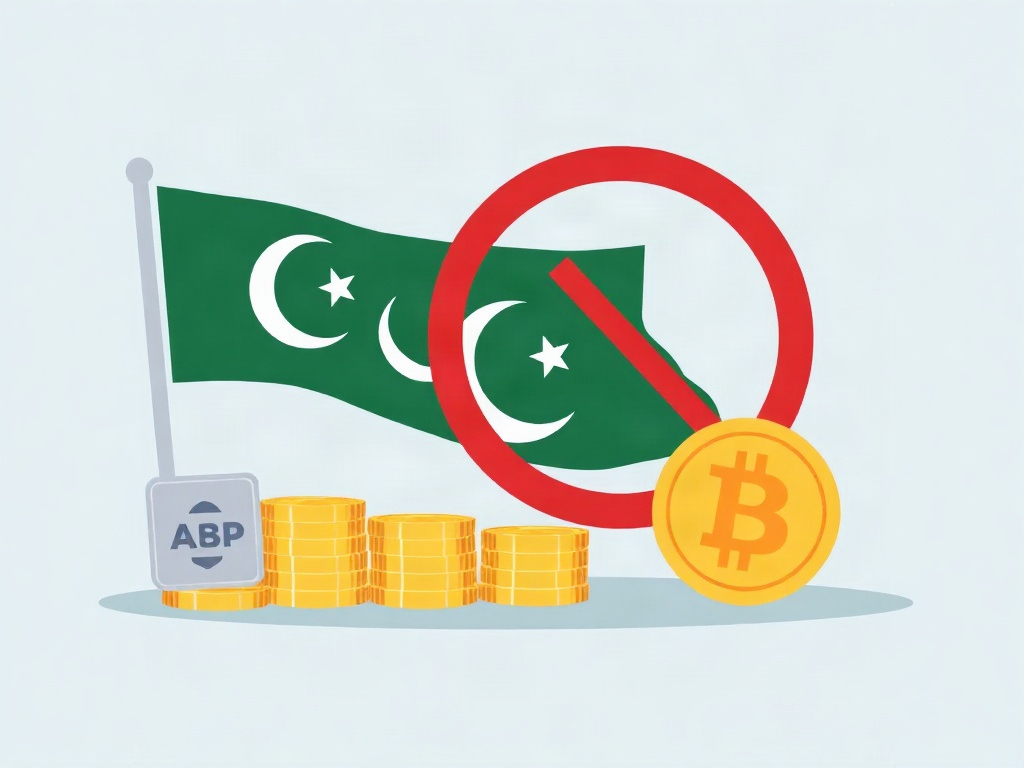
The prohibition on cryptocurrencies in Pakistan is not a recent development but rather the culmination of years of regulatory apprehension. The SBP first issued a directive in 2018, explicitly prohibiting regulated financial institutions from processing, validating, or facilitating transactions involving virtual currencies. This ban was enacted in response to the growing prevalence of unregulated digital asset exchanges and the inherent risks they posed to the national financial system. The decision was heavily influenced by the global landscape, where cryptocurrencies were frequently associated with darknet markets, ransomware attacks, and cross-border money laundering schemes. By severing the tie between traditional banking and digital assets, the SBP aimed to insulate the Pakistani Rupee and the broader economy from the volatility and anonymity that cryptocurrencies inherently possess.
The Rationale Behind the Prohibition
The rationale underpinning the SBP's prohibition is multifaceted, encompassing economic, legal, and security dimensions. Economically, the SBP sought to prevent capital flight and maintain control over the foreign exchange market. Cryptocurrencies, by their decentralized nature, allow for the seamless transfer of value across borders without the oversight of central banks, which poses a significant threat to monetary policy. Legally, the lack of a clear legislative framework for digital assets meant that investors had no recourse in the event of fraud or exchange collapse. From a security standpoint, the anonymity features of certain cryptocurrencies made them attractive vehicles for terrorist financing and tax evasion. Therefore, the AML check Pakistan SBP crypto ban was implemented as a preemptive measure to safeguard the integrity of the national financial system.
The Critical Role of AML Checks in the Digital Asset Space
How AML Checks Protect Financial Ecosystems
Anti-Money Laundering (AML) checks serve as the first line of defense against the illicit exploitation of financial systems. In the context of digital assets, AML checks are designed to verify the identity of transacting parties, monitor the flow of funds, and flag suspicious activities that may indicate money laundering or terrorist financing. By mandating these checks, regulatory bodies can ensure that the financial ecosystem remains transparent and accountable. The implementation of robust AML

Navigating the AML Check and Pakistan SBP Crypto Ban: An Investor's Perspective
As a certified financial analyst with over a decade of experience guiding investors through the digital asset landscape, I find the intersection of regulatory crackdowns and compliance mandates particularly fascinating. The recent State Bank of Pakistan (SBP) crypto ban has created a highly restrictive environment for local participants, yet the fundamental necessity of an AML check Pakistan SBP crypto ban scenario cannot be overstated. From a practical standpoint, when a central bank imposes a blanket ban, it does not eradicate the underlying demand for digital assets; rather, it drives transactions into unregulated shadows. This makes rigorous Anti-Money Laundering protocols even more critical for any legitimate investor attempting to navigate these turbulent waters, as the risk of encountering illicit funds or facing severe legal repercussions escalates dramatically in unregulated markets.
For my retail and institutional clients, the practical implication of such a ban is the absolute necessity of vetting every counterparty and platform with extreme prejudice. When operating in jurisdictions where the SBP has prohibited crypto, the onus falls entirely on the individual to ensure their capital is clean and their investment vehicles are compliant. I always advise my clients that bypassing an AML check to circumvent local restrictions is a perilous strategy that can result in frozen bank accounts or international sanctions. Instead, investors must seek out globally regulated exchanges that enforce stringent AML checks, ensuring that their digital asset portfolio remains insulated from the legal fallout of localized regulatory overreach.
Ultimately, the SBP's restrictive stance highlights a broader global trend where sovereign nations struggle to control decentralized finance. However, the architecture of cryptocurrency is inherently borderless, meaning that an AML check Pakistan SBP crypto ban situation is merely a localized friction point rather than a terminal barrier. As an advisor, I emphasize that resilience in this market comes from proactive compliance and strategic positioning. By prioritizing robust AML frameworks, investors can not only protect their capital from regulatory scrutiny but also position themselves advantageously should the regulatory landscape eventually shift toward structured legalization.