In the global financial ecosystem, the AML check shell bank prohibition stands as a critical safeguard against financial crime, money laundering, and terrorist financing. Shell banks—entities that exist without a physical presence in any jurisdiction and do not conduct business with the public—pose significant risks to the integrity of international finance. Regulatory bodies worldwide have implemented stringent measures to prevent these entities from operating, particularly through robust AML check shell bank prohibition frameworks. This article explores the definition, regulatory landscape, operational risks, compliance obligations, and best practices associated with the AML check shell bank prohibition to help financial institutions and compliance professionals navigate this complex domain.
The Concept of Shell Banks and Their Role in Financial Crime
To fully grasp the importance of the AML check shell bank prohibition, it is essential to understand what constitutes a shell bank and why it is a prime vehicle for illicit financial activity.
What Is a Shell Bank?
A shell bank is a financial institution that lacks a physical presence in any jurisdiction and does not conduct business with the general public. Unlike traditional banks, shell banks often exist only on paper, with minimal staff, no retail operations, and no meaningful connection to the local economy. These entities are typically established in offshore financial centers or secrecy jurisdictions to facilitate anonymity and reduce regulatory scrutiny.
While not all shell banks are inherently illegal, their opaque structure makes them highly susceptible to misuse. They are frequently exploited to obscure the origins of illicit funds, facilitate tax evasion, and enable sanctions evasion. The AML check shell bank prohibition directly targets this vulnerability by requiring financial institutions to identify and avoid relationships with such entities.
How Shell Banks Facilitate Money Laundering
The anonymity provided by shell banks makes them ideal for money laundering schemes. Criminals can:
- Deposit illicit funds into shell bank accounts, which are then transferred through complex networks of transactions.
- Use shell banks to create layers of financial transactions that obscure the true origin of funds.
- Establish shell banks in jurisdictions with weak AML regulations to exploit regulatory arbitrage.
- Use correspondent banking relationships to move funds globally without detection.
These activities undermine the integrity of the financial system and pose significant risks to national security and economic stability. The AML check shell bank prohibition is designed to close these loopholes by imposing strict due diligence requirements on financial institutions.
The Regulatory Framework Governing AML Check Shell Bank Prohibition
The prohibition against dealing with shell banks is embedded in several key international and domestic regulatory frameworks. Understanding these regulations is essential for compliance professionals tasked with implementing effective AML check shell bank prohibition policies.
International Standards: FATF Recommendations
The Financial Action Task Force (FATF), an intergovernmental body, sets global standards for combating money laundering and terrorist financing. FATF Recommendation 12 explicitly addresses the risks posed by shell banks and requires financial institutions to:
- Refuse to enter into or continue a correspondent banking relationship with a shell bank.
- Ensure that correspondent banks do not permit their accounts to be used by shell banks.
- Conduct enhanced due diligence on all correspondent banking relationships.
These recommendations form the backbone of the AML check shell bank prohibition and are adopted by over 200 jurisdictions through the FATF’s mutual evaluation process.
U.S. Regulatory Landscape: Bank Secrecy Act and USA PATRIOT Act
In the United States, the AML check shell bank prohibition is enforced through the Bank Secrecy Act (BSA) and the USA PATRIOT Act. Key provisions include:
- Section 312 of the USA PATRIOT Act: Requires U.S. financial institutions to take reasonable steps to ensure that correspondent accounts are not being used by foreign shell banks.
- FinCEN’s Final Rule on Prohibition on Correspondent Accounts for Foreign Shell Banks: Prohibits U.S. banks from maintaining correspondent accounts for foreign shell banks and requires due diligence to prevent indirect relationships.
- Customer Due Diligence (CDD) Rule: Mandates that financial institutions identify and verify the beneficial owners of legal entity customers, reducing the risk of shell bank misuse.
These regulations underscore the U.S. commitment to enforcing the AML check shell bank prohibition and protecting the financial system from illicit activity.
European Union: AMLD and EBA Guidelines
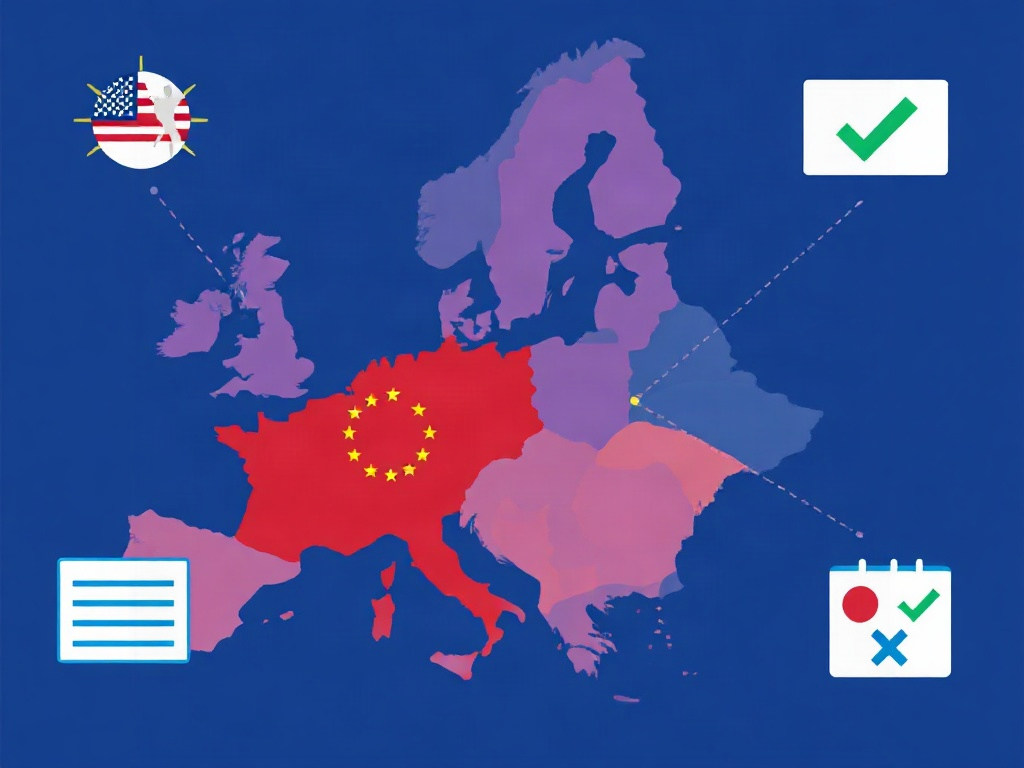
The European Union has strengthened its stance on shell banks through the Fifth and Sixth Anti-Money Laundering Directives (AMLD5 and AMLD6). Key measures include:
- AMLD5: Introduced stricter transparency requirements for beneficial ownership and prohibited financial institutions from entering into correspondent banking relationships with shell banks.
- EBA Guidelines on ML/TF Risks: The European Banking Authority (EBA) provides guidance on identifying and mitigating risks associated with shell banks, including enhanced due diligence procedures.
These directives ensure that EU member states implement robust AML check shell bank prohibition measures, aligning with FATF standards.
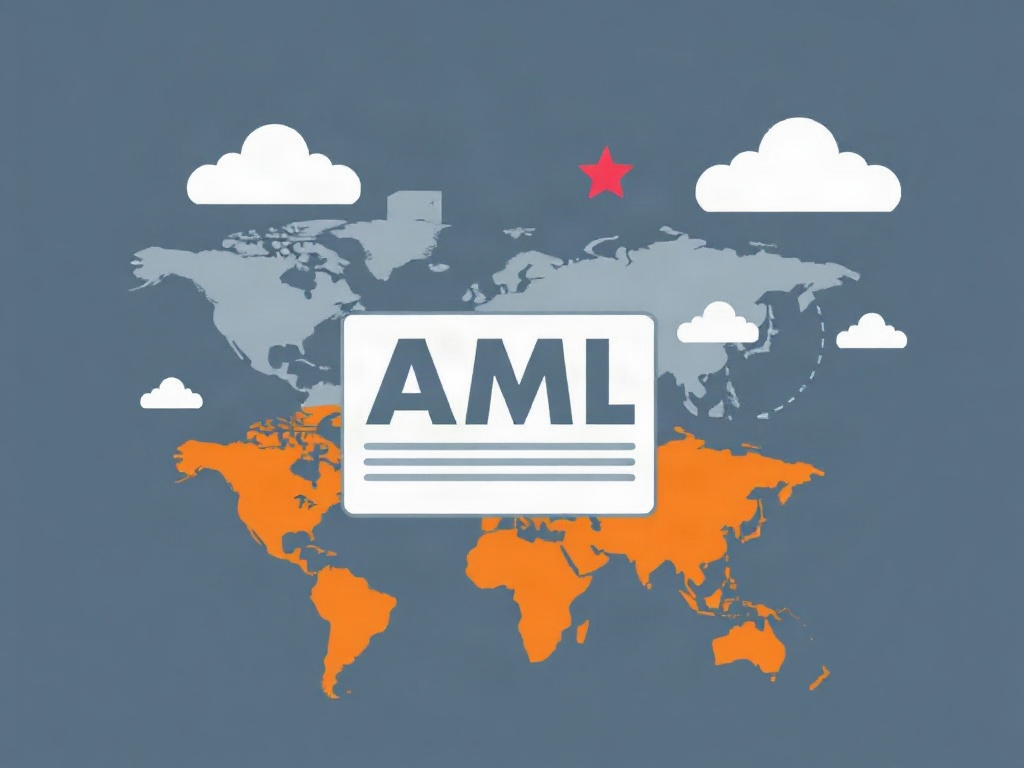
Other Jurisdictions: Global Harmonization Efforts
Countries such as Canada, Australia, and Singapore have also adopted stringent measures to enforce the AML check shell bank prohibition. For example:
- Canada: The Proceeds of Crime (Money Laundering) and Terrorist Financing Act (PCMLTFA) requires financial institutions to conduct enhanced due diligence on correspondent banking relationships.
- Australia: The Anti-Money Laundering and Counter-Terrorism Financing Act 2006 mandates that reporting entities must not provide banking services to shell banks.
- Singapore: The Monetary Authority of Singapore (MAS) has issued guidelines prohibiting financial institutions from establishing or maintaining correspondent banking relationships with shell banks.
These global efforts highlight the widespread recognition of the risks posed by shell banks and the necessity of enforcing the AML check shell bank prohibition.
Operational Risks and Consequences of Non-Compliance
Failure to comply with the AML check shell bank prohibition can result in severe financial, legal, and reputational consequences for financial institutions. Understanding these risks is crucial for compliance teams to prioritize robust due diligence and monitoring.
Financial Penalties and Regulatory Sanctions
Regulatory bodies worldwide impose substantial fines on institutions that violate AML regulations, including those related to the AML check shell bank prohibition. Notable examples include:
- HSBC (2012): Fined $1.9 billion for AML failures, including inadequate due diligence on correspondent banking relationships that facilitated money laundering.
- Deutsche Bank (2017): Fined $630 million for failing to prevent transactions linked to shell companies and sanctions evasion.
- Danske Bank (2022): Faced a $2 billion fine for AML violations, including the misuse of shell banks in its Estonian branch.
These cases demonstrate the severe financial repercussions of non-compliance with the AML check shell bank prohibition.
Reputational Damage and Loss of Trust
Beyond financial penalties, institutions found to be in violation of the AML check shell bank prohibition often suffer irreparable reputational damage. Clients, investors, and regulators may lose trust in the institution’s ability to safeguard the financial system. Rebuilding this trust can take years and requires significant investment in compliance infrastructure and transparency.
For example, Danske Bank’s AML scandal led to a loss of customers, a decline in stock value, and increased regulatory scrutiny across multiple jurisdictions. The AML check shell bank prohibition is not merely a regulatory requirement—it is a cornerstone of institutional integrity.
Legal and Criminal Liability
In extreme cases, non-compliance with the AML check shell bank prohibition can result in criminal charges against senior management and board members. Prosecutors may pursue charges for willful blindness, negligence, or complicity in financial crime. For instance:
- ING Group (2018): Agreed to pay $900 million to settle charges that it facilitated transactions for shell companies linked to sanctions evasion and money laundering.
These legal consequences underscore the importance of implementing rigorous compliance programs to enforce the AML check shell bank prohibition.
Operational Disruptions and Increased Scrutiny
Institutions found to be non-compliant with the AML check shell bank prohibition often face increased regulatory scrutiny, which can lead to operational disruptions. Regulators may impose additional reporting requirements, restrict business activities, or even revoke licenses. For example:
- Wells Fargo (2020): Faced enhanced monitoring by the OCC after AML failures, including inadequate due diligence on correspondent banking relationships.
These disruptions can hinder growth, increase compliance costs, and divert resources away from core business activities.
Best Practices for Implementing AML Check Shell Bank Prohibition
To effectively enforce the AML check shell bank prohibition, financial institutions must adopt a proactive and risk-based approach. The following best practices provide a roadmap for compliance professionals to mitigate risks and ensure regulatory adherence.
1. Conduct Enhanced Due Diligence on Correspondent Banking Relationships
Correspondent banking relationships are a primary channel through which shell banks operate. Financial institutions must implement robust due diligence processes to identify and mitigate risks associated with these relationships.
Key steps include:
- Verify the physical presence of correspondent banks: Ensure that the bank has a legitimate office, staff, and regulatory oversight in its jurisdiction.
- Assess the bank’s regulatory status: Confirm that the bank is licensed and supervised by a recognized financial authority.
- Evaluate the bank’s AML/CFT framework: Review the correspondent bank’s policies, procedures, and compliance history to ensure alignment with FATF standards.
- Monitor transactions for suspicious activity: Implement automated monitoring systems to detect unusual patterns, such as high-volume transactions or transfers to high-risk jurisdictions.
By conducting enhanced due diligence, institutions can effectively enforce the AML check shell bank prohibition and reduce the risk of facilitating illicit transactions.
2. Implement a Risk-Based Approach to Customer Onboarding
A risk-based approach to customer onboarding is essential for identifying and mitigating the risks posed by shell banks. Financial institutions should categorize customers based on their risk profiles and apply proportionate due diligence measures.
Key considerations include:
- Geographic risk: Prioritize due diligence for customers in jurisdictions with weak AML regulations or high levels of financial crime.
- Business risk: Assess the nature of the customer’s business, particularly if it involves high-risk activities such as cash-intensive industries or offshore entities.
- Ownership structure: Verify the beneficial ownership of legal entity customers to ensure transparency and reduce the risk of shell bank misuse.
Institutions should also maintain updated customer records and conduct periodic reviews to ensure ongoing compliance with the AML check shell bank prohibition.
3. Leverage Technology for Real-Time Monitoring and Screening
Technology plays a critical role in enforcing the AML check shell bank prohibition. Automated screening tools, artificial intelligence, and machine learning can enhance the detection of shell bank-related risks.
Key technological solutions include:
- Transaction monitoring systems: Identify unusual transaction patterns, such as rapid movement of funds or transfers to high-risk jurisdictions.
- Watchlist screening: Screen customers and counterparties against global sanctions lists, PEP lists, and adverse media databases.
- Beneficial ownership verification tools: Automate the process of identifying and verifying the ultimate beneficial owners of legal entities.
- AI-driven anomaly detection: Use machine learning algorithms to detect suspicious behavior patterns that may indicate shell bank activity.
By integrating these technologies into their compliance programs, institutions can enhance their ability to enforce the AML check shell bank prohibition and respond to emerging risks.
4. Train Staff on AML/CFT Policies and Red Flags
Human error and oversight are common causes of AML compliance failures. To mitigate these risks, financial institutions must invest in comprehensive training programs for staff involved in customer onboarding, transaction monitoring, and compliance.
Key training topics include:
- Identifying shell bank red flags: Educate staff on the characteristics of shell banks, such as lack of physical presence, minimal staff, and complex ownership structures.
- Understanding regulatory requirements: Ensure that staff are familiar with the AML check shell bank prohibition and other relevant regulations.
- Reporting suspicious activity: Train staff on how to recognize and report suspicious transactions in accordance with regulatory guidelines.
Regular training updates and assessments can help reinforce compliance culture and reduce the likelihood of violations.
5. Establish a Strong Governance and Oversight Framework
A strong governance framework is essential for enforcing the AML check shell bank prohibition and ensuring accountability at all levels of the organization. Key components include:
- Board and senior management oversight: Ensure that the board and senior management are actively involved in AML compliance and risk management.
- Designated AML compliance officer: Appoint a qualified compliance officer responsible for overseeing the implementation of AML policies and procedures.
- Independent audits and reviews: Conduct regular audits to assess the effectiveness of AML programs and identify areas for improvement.
- Whistleblower protections: Establish mechanisms for employees to report suspected AML violations without fear of retaliation.
By fostering a culture of compliance and accountability, institutions can effectively enforce the AML check shell bank prohibition and mitigate associated risks.
Case Studies: Lessons Learned from AML Check Shell Bank Prohibition Failures
Examining real-world cases of AML check shell bank prohibition failures provides valuable insights into the consequences of non-compliance and the steps institutions can take to avoid similar pitfalls.
Case Study 1: Danske Bank’s Estonian Branch Scandal
Danske Bank’s Estonian branch became a global symbol of AML failures after it was revealed that over €200 billion in suspicious transactions flowed through the branch between 2007 and 2015. The scandal highlighted several critical failures:
- Inadequate due diligence: The bank failed to conduct proper due diligence on correspondent banking relationships, allowing shell banks to operate through its accounts.
- Weak internal controls: Insufficient transaction monitoring and oversight enabled illicit funds to move undetected.
- Regulatory arbitrage: The bank exploited regulatory loopholes in Estonia and other jurisdictions to facilitate high-risk transactions.
As a result, Danske Bank faced a $2 billion fine, a loss of customers, and a permanent stain on its reputation. The case underscores the importance of enforcing the AML check shell bank prohibition and maintaining robust internal controls.
Case Study 2: HSBC’s AML Failures and Remediation Efforts
In 2012, HSBC was fined $1.9 billion for AML violations, including inadequate due diligence on correspondent banking relationships that facilitated money laundering and sanctions evasion. The case revealed several systemic issues:
- Failure to screen transactions: HSBC’s monitoring systems failed to detect transactions linked to shell banks and high-risk jurisdictions.
- Insufficient staff training: Employees were not adequately trained to identify and report suspicious activity.
- Lack of accountability: Senior management was not held sufficiently accountable for AML failures.
In response, HSBC implemented a comprehensive remediation program, including enhanced due diligence, improved transaction monitoring, and increased staff training. The case serves as a reminder of the importance of enforcing the AML check shell bank prohibition and fostering a culture of compliance.
Case Study 3: Pilatus Bank’s Shell Bank Operations
Pilatus Bank, a Maltese financial institution, was shut down in 2018 after being linked to a $1 billion money laundering scheme involving shell companies and high-ranking officials. The case highlighted several critical failures:
- Lack of transparency: Pilatus Bank operated with minimal oversight and failed to disclose beneficial ownership information.
- Regulatory capture: The bank exploited weak regulatory oversight in Malta to facilitate illicit transactions.
- Correspondent banking abuse: Pilatus Bank used correspondent banking relationships to move funds globally without detection.
The case demonstrates the devastating consequences of failing to enforce the AML check shell bank prohibition and the importance

Strengthening Financial Integrity: The Critical Role of AML Check Shell Bank Prohibition in DeFi
As a DeFi and Web3 analyst, I’ve observed that the prohibition of shell banks remains one of the most underappreciated yet vital components of anti-money laundering (AML) compliance in decentralized finance. Shell banks—entities that exist solely on paper without a physical presence or licensed operations—pose a systemic risk by enabling illicit financial flows through opaque structures. While traditional finance has long grappled with this challenge, DeFi introduces new complexities: pseudonymous transactions, cross-border liquidity, and the absence of centralized intermediaries make it easier for bad actors to exploit gaps in AML checks. The prohibition of shell banks isn’t just a regulatory checkbox; it’s a foundational safeguard that ensures the integrity of on-chain transactions. Without robust AML checks to identify and block shell bank-linked wallets or protocols, DeFi platforms risk becoming unwitting conduits for financial crime, undermining trust and inviting stricter oversight.
From a practical standpoint, integrating shell bank prohibitions into DeFi AML frameworks requires a multi-layered approach. First, protocols must adopt blockchain forensics tools capable of tracing wallet histories and identifying shell bank-associated addresses, leveraging partnerships with firms like Chainalysis or TRM Labs. Second, governance token holders and DAOs should prioritize compliance by embedding AML clauses into smart contract logic—such as freezing funds linked to flagged entities—while maintaining decentralization. Third, collaboration with traditional financial institutions is essential; DeFi platforms should align with FATF’s Travel Rule and other global standards to ensure interoperability. The key insight here is that AML check shell bank prohibition isn’t about stifling innovation but about building a resilient ecosystem where legitimate users can thrive without the shadow of illicit activity. In Web3, where trust is earned through transparency, proactive compliance isn’t just good practice—it’s a competitive advantage.