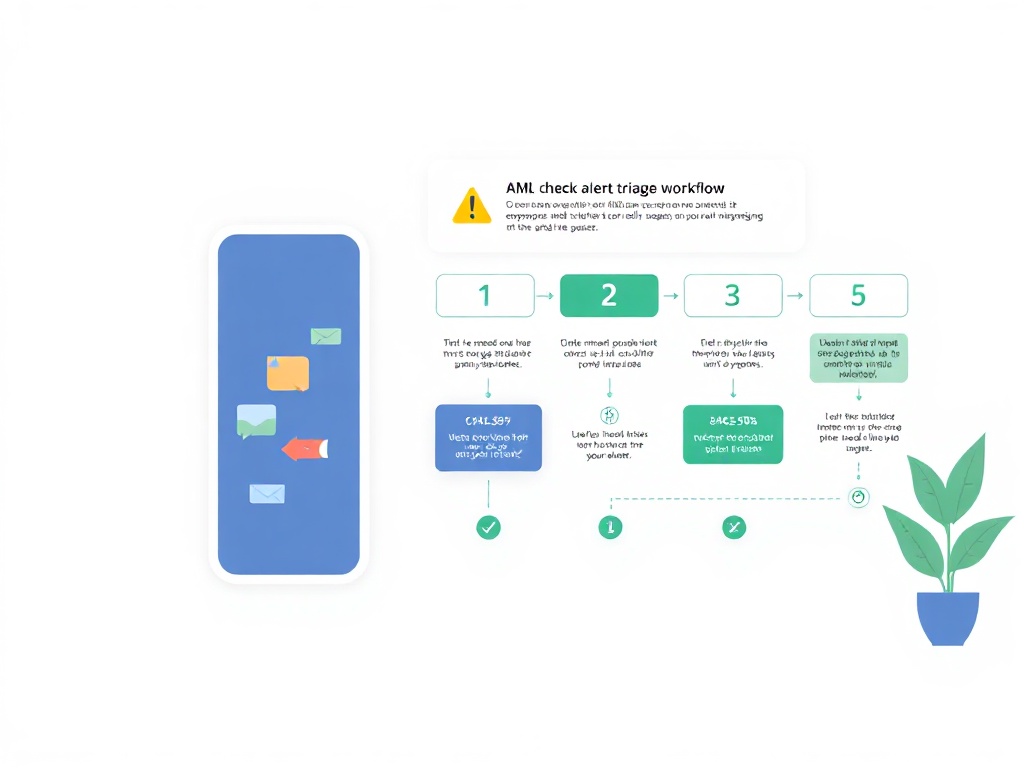
In the rapidly evolving world of decentralized finance (DeFi), ensuring compliance with Anti-Money Laundering (AML) regulations remains a critical challenge. As blockchain networks like Thorchain facilitate seamless cross-chain swaps, the need for robust AML check Thorchain swap tracing mechanisms has never been more pressing. This guide explores the intricacies of AML compliance in the context of Thorchain swaps, offering insights into tracing methodologies, regulatory frameworks, and best practices for businesses and users alike.
The decentralized nature of Thorchain introduces unique complexities when it comes to tracking transactions and verifying identities. Unlike traditional financial systems, where intermediaries like banks play a central role in monitoring and reporting suspicious activities, DeFi platforms operate without centralized oversight. This decentralization, while empowering users with financial sovereignty, also creates gaps that bad actors may exploit for illicit purposes. As such, implementing effective AML check Thorchain swap tracing strategies is essential for maintaining the integrity of the ecosystem.
This article delves into the following key areas:
- The fundamentals of AML compliance in DeFi
- How Thorchain swaps function and their AML implications
- Methods for tracing transactions on the Thorchain network
- Tools and technologies available for AML check Thorchain swap tracing
- Regulatory considerations and future trends in DeFi compliance
What Is AML Compliance and Why Does It Matter in DeFi?
The Role of AML in Financial Systems
Anti-Money Laundering (AML) refers to a set of laws, regulations, and procedures designed to prevent criminals from disguising illegally obtained funds as legitimate income. AML compliance is a cornerstone of the global financial system, enforced by governments and financial institutions worldwide. The primary objectives of AML measures include:
- Detecting suspicious activities: Identifying transactions that may be linked to money laundering, terrorism financing, or other financial crimes.
- Reporting obligations: Mandating financial institutions to file reports such as Suspicious Activity Reports (SARs) or Currency Transaction Reports (CTRs) with regulatory bodies.
- Customer due diligence (CDD): Verifying the identity of customers and assessing their risk profiles to prevent fraudulent activities.
In traditional finance, AML compliance is relatively straightforward due to the presence of centralized entities like banks that act as gatekeepers. These institutions are required to implement Know Your Customer (KYC) procedures, monitor transactions, and report suspicious activities to authorities such as the Financial Crimes Enforcement Network (FinCEN) in the United States or the Financial Conduct Authority (FCA) in the United Kingdom.
Challenges of AML in Decentralized Finance (DeFi)
DeFi platforms, including Thorchain, operate on blockchain technology, which is inherently decentralized and permissionless. This design presents several challenges for AML compliance:
- Lack of centralized intermediaries: Unlike traditional banks, DeFi platforms do not have a central authority to enforce AML policies or conduct KYC checks.
- Pseudonymity: Blockchain addresses are often pseudonymous, making it difficult to link transactions to real-world identities without additional data.
- Cross-chain transactions: Thorchain enables swaps between different blockchain networks, complicating the tracking of funds as they move across ecosystems.
- Smart contract risks: The automated nature of smart contracts can be exploited for money laundering, as malicious actors may use complex transaction paths to obscure the origin of funds.
Given these challenges, the need for innovative AML check Thorchain swap tracing solutions has become paramount. Without effective monitoring, DeFi platforms risk becoming havens for illicit activities, potentially leading to regulatory crackdowns or reputational damage.
Regulatory Landscape for DeFi and AML
Governments and regulatory bodies worldwide are increasingly focusing on the AML risks associated with DeFi. Key regulatory developments include:
- Financial Action Task Force (FATF) Guidelines: The FATF, an intergovernmental organization, has issued guidance on applying AML standards to virtual asset service providers (VASPs), including DeFi platforms. The FATF recommends that DeFi platforms implement measures to identify and mitigate AML risks, even if they operate in a decentralized manner.
- Travel Rule Compliance: The Travel Rule, originally designed for traditional financial institutions, requires VASPs to share transaction information with counterparties. In the DeFi context, this rule poses challenges due to the lack of intermediaries to facilitate information sharing.
- MiCA Regulation (EU): The European Union's Markets in Crypto-Assets Regulation (MiCA), set to take effect in 2024, will impose strict AML requirements on crypto-asset service providers, including those operating in the DeFi space.
- U.S. Enforcement Actions: U.S. regulators, including the Securities and Exchange Commission (SEC) and FinCEN, have signaled increased scrutiny of DeFi platforms for AML violations. In 2022, the SEC charged a DeFi platform for operating as an unregistered securities exchange and failing to implement adequate AML controls.
As the regulatory landscape evolves, DeFi platforms must adapt by implementing robust AML check Thorchain swap tracing mechanisms to ensure compliance and avoid penalties.
---How Thorchain Swaps Work and Their AML Implications
Understanding Thorchain’s Architecture
Thorchain is a decentralized liquidity protocol that enables cross-chain swaps between various blockchain networks, including Bitcoin, Ethereum, Binance Smart Chain, and others. Unlike centralized exchanges, Thorchain operates without a central order book. Instead, it uses an automated market maker (AMM) model powered by liquidity pools and validators to facilitate trades.
The key components of Thorchain’s architecture include:
- Nodes and Validators: Thorchain relies on a network of nodes and validators to secure the network, validate transactions, and maintain liquidity pools.
- Liquidity Pools: Users deposit assets into liquidity pools, which are used to facilitate swaps. Liquidity providers earn fees in return.
- RUNE Token: Thorchain’s native token, RUNE, is used for governance, staking, and paying transaction fees.
- Cross-Chain Communication: Thorchain uses the Bifröst Protocol to enable secure and trustless communication between different blockchains, allowing for seamless asset swaps.
When a user initiates a swap on Thorchain, the following steps occur:
- The user sends their source asset (e.g., Bitcoin) to a Thorchain vault address.
- Thorchain’s validators confirm the transaction and lock the source asset in a liquidity pool.
- The equivalent value of the target asset (e.g., Ethereum) is released from the corresponding liquidity pool and sent to the user’s destination address.
- The transaction is recorded on the Thorchain blockchain, and fees are distributed to liquidity providers and validators.
AML Risks Associated with Thorchain Swaps
While Thorchain’s decentralized design offers numerous benefits, it also introduces several AML risks that must be addressed:
- Anonymity: Thorchain transactions are recorded on a public blockchain, but the pseudonymous nature of wallet addresses makes it difficult to trace the identities of users involved in a swap. This anonymity can be exploited by bad actors to launder funds or evade sanctions.
- Cross-Chain Transactions: The ability to swap assets across different blockchains complicates the tracking of funds. For example, a user could swap Bitcoin for Ethereum on Thorchain and then move the Ethereum to a privacy-focused blockchain like Monero, further obscuring the transaction trail.
- Liquidity Pool Mixing: Thorchain’s liquidity pools aggregate funds from multiple users, making it challenging to trace the origin of specific assets. This mixing effect can be leveraged to obscure the flow of illicit funds.
- Smart Contract Exploits: While Thorchain itself is secure, the broader DeFi ecosystem is susceptible to smart contract vulnerabilities. Exploits in other protocols could be used to introduce illicit funds into Thorchain’s liquidity pools.
- Regulatory Arbitrage: Thorchain’s decentralized nature may allow users to bypass AML regulations by leveraging its cross-chain capabilities. For instance, a user in a jurisdiction with strict AML laws could swap assets on Thorchain to avoid detection.
To mitigate these risks, Thorchain and other DeFi platforms must implement proactive AML check Thorchain swap tracing strategies that enable the identification and reporting of suspicious activities.
Case Study: AML Challenges in a Thorchain Swap
Consider the following scenario to illustrate the AML challenges associated with Thorchain swaps:
- A user in Country A, which is subject to international sanctions, sends Bitcoin from a sanctioned wallet to a Thorchain vault address.
- The Bitcoin is swapped for Ethereum via Thorchain’s liquidity pools.
- The Ethereum is then transferred to a privacy-focused blockchain, such as Monero, where the funds become nearly untraceable.
- The user cashes out the Monero through a decentralized exchange or over-the-counter (OTC) desk, effectively laundering the illicit funds.
In this scenario, the lack of robust AML check Thorchain swap tracing mechanisms allows the user to bypass sanctions and launder funds with minimal risk of detection. To prevent such activities, Thorchain must integrate advanced tracing tools and collaborate with regulatory bodies to monitor and report suspicious transactions.
---Methods for Tracing Thorchain Swaps: Tools and Techniques
On-Chain Transaction Analysis
Tracing transactions on the Thorchain network requires a combination of on-chain and off-chain analysis techniques. On-chain analysis involves examining the public blockchain data to identify patterns, links, and anomalies in transaction flows. Key tools and techniques for on-chain analysis include:
- Blockchain Explorers: Tools like Thorchain Explorer or ViewBlock allow users to explore Thorchain transactions, view wallet balances, and track the movement of assets across the network.
- Transaction Graph Analysis: This technique involves mapping the flow of funds between addresses to identify clusters of related transactions. For example, if multiple addresses are involved in a series of swaps, they may be linked to the same user or entity.
- Address Clustering: By analyzing transaction patterns, analysts can group addresses that are likely controlled by the same entity. This is particularly useful for identifying mixing services or tumblers that obfuscate the origin of funds.
- Heuristic Analysis: Heuristics are rules of thumb used to infer relationships between addresses. For example, if two addresses frequently interact with the same set of addresses, they may be controlled by the same user.
While on-chain analysis provides valuable insights, it has limitations. For instance, Thorchain’s cross-chain capabilities make it difficult to trace funds once they leave the Thorchain network. Additionally, the pseudonymous nature of blockchain addresses complicates the identification of real-world entities behind transactions.
Off-Chain Data Integration
To overcome the limitations of on-chain analysis, AML check Thorchain swap tracing often involves integrating off-chain data sources. Off-chain data includes information from external databases, KYC providers, and regulatory reports that can help link blockchain addresses to real-world identities. Key off-chain data sources include:
- KYC/AML Databases: Companies like Chainalysis, Elliptic, and TRM Labs provide databases of known illicit addresses, sanctioned entities, and high-risk wallets. These databases can be cross-referenced with Thorchain transaction data to identify suspicious activities.
- Exchange APIs: Centralized exchanges (CEXs) often require users to undergo KYC checks. By analyzing the withdrawal and deposit patterns of CEXs, analysts can link Thorchain addresses to verified identities.
- IP Address Data: In some cases, IP address data from wallet providers or DeFi platforms can be used to associate blockchain addresses with specific users or geographic locations.
- Social Media and Open-Source Intelligence (OSINT): Analysts may use publicly available information from social media, forums, or dark web marketplaces to identify individuals or entities involved in illicit activities.
Integrating off-chain data with on-chain analysis enhances the effectiveness of AML check Thorchain swap tracing by providing a more comprehensive view of transaction flows. However, this approach also raises privacy concerns, as it involves collecting and analyzing personal data.
Machine Learning and AI for Tracing
Machine learning (ML) and artificial intelligence (AI) are increasingly being used to improve the accuracy and efficiency of AML check Thorchain swap tracing. These technologies can analyze vast amounts of transaction data to identify patterns and anomalies that may indicate illicit activities. Key applications of ML and AI in AML compliance include:
- Anomaly Detection: ML algorithms can be trained to detect unusual transaction patterns, such as rapid transfers between multiple addresses or large transactions that deviate from a user’s typical behavior.
- Entity Resolution: AI-powered tools can link blockchain addresses to real-world entities by analyzing transaction histories, IP addresses, and other metadata.
- Risk Scoring: ML models can assign risk scores to transactions or addresses based on their likelihood of being linked to illicit activities. This helps prioritize investigations and allocate resources more effectively.
- Natural Language Processing (NLP): NLP techniques can be used to analyze text data from forums, social media, or regulatory reports to identify mentions of specific addresses or entities involved in suspicious activities.
Companies like Chainalysis and Elliptic leverage AI and ML to provide advanced tracing solutions for DeFi platforms, including Thorchain. These tools enable compliance teams to monitor transactions in real-time, flag suspicious activities, and generate reports for regulatory authorities.
Collaboration with Regulatory Bodies
Effective AML check Thorchain swap tracing requires collaboration between DeFi platforms, blockchain analytics firms, and regulatory bodies. Key initiatives and partnerships that enhance tracing capabilities include:
- Information Sharing: DeFi platforms can collaborate with regulators to share transaction data and intelligence on suspicious activities. For example, the Financial Crimes Enforcement Network (FinCEN) in the U.S. encourages financial institutions to share information through programs like the Bank Secrecy Act (BSA) E-Filing System.
- Public-Private Partnerships: Initiatives like the FATF’s Virtual Asset Contact Group bring together regulators, law enforcement, and industry stakeholders to develop best practices for AML compliance in the crypto space.
- Blockchain Forensics: Regulatory bodies like the FBI and Europol work with blockchain analytics firms to trace illicit transactions and identify bad actors. For example, the FBI’s Cryptocurrency Intelligence Program collaborates with companies like Chainalysis to track ransomware payments and other crypto-related crimes.
- Sanctions Screening: DeFi platforms must integrate sanctions screening tools to ensure compliance with global sanctions regimes. Tools like OFAC’s SDN List provide real-time updates on sanctioned entities, enabling platforms to block transactions involving high-risk addresses.
By fostering collaboration between these stakeholders, the effectiveness of AML check Thorchain swap tracing can be significantly enhanced, reducing the risk of illicit activities in the DeFi ecosystem.
---Tools and Technologies for AML Check Thorchain Swap Tracing
Blockchain Analytics Platforms
Blockchain analytics platforms are essential tools for conducting AML check Thorchain swap tracing. These platforms provide real-time monitoring, risk assessment, and reporting capabilities to help DeFi platforms comply with AML regulations. Some of the leading blockchain analytics platforms include:
- Chainalysis: Chainalysis offers a suite of tools for tracking cryptocurrency transactions, including its KYC and Transaction Monitoring solutions. Chainalysis Reactor, its flagship product, enables users to trace transactions across multiple blockchains, including Thorchain, and identify suspicious activities.
- Elliptic: Elliptic provides AI-powered blockchain analytics to detect illicit transactions and assess risk. Its
 Emily ParkerCrypto Investment Advisor
Enhancing Security in DeFi: The Critical Role of AML Check Thorchain Swap Tracing
As a crypto investment advisor with over a decade of experience, I’ve seen firsthand how decentralized finance (DeFi) platforms like Thorchain are revolutionizing cross-chain swaps by eliminating intermediaries and enhancing liquidity. However, the anonymity inherent in blockchain transactions also introduces significant risks, particularly around money laundering and illicit fund flows. This is where AML check Thorchain swap tracing becomes indispensable. Unlike traditional financial systems, DeFi lacks centralized oversight, making it a prime target for bad actors seeking to obfuscate the origin of funds. Implementing robust anti-money laundering (AML) checks—such as transaction monitoring, wallet clustering, and chain analysis—can help identify suspicious patterns, such as rapid cross-chain movements or interactions with known high-risk addresses. For investors and liquidity providers, integrating these tools isn’t just about compliance; it’s about safeguarding the integrity of the ecosystem and protecting capital.
From a practical standpoint, Thorchain’s architecture—with its automated market makers (AMMs) and continuous liquidity pools—presents unique challenges for AML compliance. While Thorchain itself doesn’t enforce KYC (Know Your Customer) requirements, forward-thinking users and institutions can leverage third-party analytics platforms like Chainalysis, TRM Labs, or Elliptic to conduct AML check Thorchain swap tracing. These tools can trace swap routes across multiple chains, flagging transactions that deviate from normal behavior, such as sudden large deposits or swaps involving sanctioned entities. For retail investors, partnering with platforms that offer built-in AML screening can mitigate exposure to tainted assets, while institutional players should prioritize due diligence when selecting liquidity providers. Ultimately, the future of DeFi hinges on balancing innovation with accountability, and proactive AML measures are the cornerstone of that balance.